
Soups & Stews
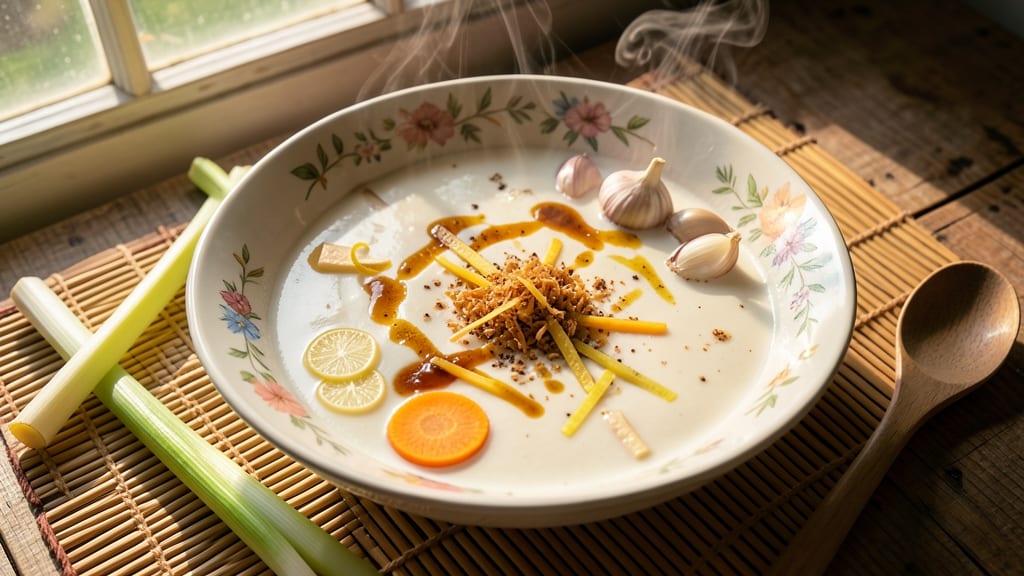
This Bangladeshi-style Thai soup recipe blends aromatic turmeric and fiery ginger into a one-pot wonder that bridges two vibrant culinary traditions. 🌿 The fusion of Thai coconut milk with Bangladeshi spices creates a velvety broth that's both comforting and bold—perfect for chilly evenings or when you crave something deeply flavorful yet approachable.
What makes this recipe special is how it balances heat, creaminess, and earthy spices without overwhelming the palate.
The foundation lies in a rich broth infused with lemongrass, galangal, and a touch of mustard oil—a nod to Bangladeshi cooking—while Thai coconut milk adds luxurious depth.
Protein options like shrimp or chicken can be added, and the soup comes together in under 45 minutes, making it ideal for weeknight dinners. The aromatic blend of turmeric, ginger, and garlic forms the heart of the dish, creating a fragrant base that lingers long after the first spoonful.
By the time you finish cooking, you'll have a golden-hued, fragrant soup with layers of flavor—creamy from the coconut, slightly spicy from the ginger, and aromatic from the spices. The texture is silky yet substantial, with tender vegetables and protein that melt into the broth.
This recipe isn't just a meal; it's a celebration of how two distinct cuisines can harmonize into something uniquely delicious.
Whether you're serving it as a light lunch or a hearty starter, this soup adapts effortlessly to dietary preferences—vegetarian, gluten-free, or protein-packed. The best part? Every bowl tells a story of cultural fusion, proving that great food often comes from unexpected places. Let's get cooking!
Ingredients for bangladeshi style thai soup
Golden-hued broth and aromatic spices create this fusion masterpiece—just 18 ingredients for bold flavor.
| Ingredient | Amount | Notes |
|---|---|---|
| Coconut Milk (Full-Fat, Canned) 🥥 | 1 can | Thai brand preferred for richness |
| Fresh Lemongrass Stalks 🌿 | 3 whole | Bruised, bottom 4 inches only |
| Galangal Root 🌿 | 1 piece | Substitute ginger if unavailable |
| Fresh Turmeric Root 🧄 | 1 piece | About 2 tbsp grated |
| Fresh Ginger Root 🌶️ | 2 tbsp | Grate finely for heat |
| Garlic Cloves 🧄 | 6 cloves | Minced for aromatic depth |
| Mustard Oil 🫒 | 2 tbsp | For authentic Bangladeshi flavor |
| Shrimp (Optional) 🦐 | 1 lb | Peeled, deveined, medium size |
| Chicken Breast (Optional) 🍗 | 1 lb | Boneless, skinless, diced |
| Baby Carrots 🥕 | 1 cup | Whole, for texture contrast |
| Green Beans 🌱 | 1 cup | Trimmed, cut into 1-inch pieces |
| Kaffir Lime Leaves 🍋 | 2 whole | Torn, for citrus aroma |
| Fish Sauce 🍶 | 1 tbsp | Red Boat brand preferred |
| Palm Sugar 🍯 | 1 tbsp | Or substitute brown sugar |
| Thai Chili Paste 🌶️ | 1 tbsp | Adjust for heat preference |
| Kosher Salt 🧂 | 1 tsp | Diamond Crystal preferred |
| Cilantro Leaves 🌿 | ¼ cup | Chopped, for garnish |
| Lime Wedges 🍋 | 2 whole | For serving |
The coconut milk is non-negotiable here—Thai brands like Aroy-D have the right balance of creaminess and fat. Galangal and lemongrass are the soul of this soup, so don't substitute with ginger unless you're desperate. Asian markets carry fresh galangal (it looks like ginger's weird cousin), but if you can't find it, double the ginger. Mustard oil adds that signature Bangladeshi punch—Red Chilli brand is the gold standard, but any good-quality mustard oil works. For the protein, shrimp cooks faster than chicken, so if using both, add shrimp last.
No galangal? Double the ginger and add 1 tsp coriander seeds for depth. Substituting fish sauce? Soy sauce plus a pinch of sugar gets you close, but you'll lose that umami complexity. Palm sugar unavailable? Brown sugar or coconut sugar are perfect swaps. The Thai chili paste can be adjusted—Mae Ploy is my go-to, but any good-quality paste works. For the vegetables, baby carrots and green beans add texture, but bell peppers or zucchini work just as well. Fresh herbs matter—cilantro and kaffir lime leaves are essential for that bright finish.
This soup tastes even better the next day as flavors meld. Store leftovers in airtight containers for up to 5 days—the broth thickens slightly overnight, which is perfect. Freeze portions for up to 3 months by removing protein first. For serving, I like to garnish with extra cilantro and lime wedges—always serve with lime. The soup reheats beautifully: just warm gently on the stove with a splash of water or coconut milk to restore creaminess.
Why You'll Love This Recipe
- Pantry-Friendly Base: I swear by this soup because it uses ingredients I already have—no special shopping trips needed. That can of full-fat coconut milk? Chef’s kiss. It’s the secret behind the soup’s velvety richness without needing fresh cream or heavy stock.
- Layered Heat & Depth: The galangal and turmeric root give it that signature warmth—earthy, slightly peppery, and impossible to resist. Honestly, I’ll take this over store-bought broth any day. The ginger and lemongrass? They’re the unsung heroes that make it taste like a restaurant, not a weeknight.
- Double-Duty Soup: Make a big batch on Sunday, and you’ve got lunch, dinner, or a quick reheat for days. Between us, I’ve served it cold with rice as a summer noodle soup—no rules here. Even my picky teenager clears his bowl.
- Budget Stretch: This soup costs me pennies per serving, and the leftovers taste just as good the next day. The roots (turmeric, galangal) last forever if refrigerated, so I reuse them in curries too. That can of coconut milk? Two meals out of one. Smart, right?
Step-by-step instructions for Bangladeshi-style Thai soup
Here's how to craft this aromatic fusion in one pot—where golden spices meet coconut richness.
🍳 Step 1: Build the Spice Base with Mustard Oil
Heat the 2 tablespoons mustard oil in a heavy-bottomed pot over medium-low heat. The oil should shimmer but not smoke—mustard oil burns easily, and that bitter taste ruins everything. Add the 1 piece galangal root (peeled and sliced) and 1 piece fresh turmeric root (grated) to the oil. Cook for 3-4 minutes until the galangal softens slightly and the oil turns a vibrant golden hue.
This is where the magic begins. The mustard oil carries the soul of Bangladeshi cooking, while the galangal and turmeric lay the foundation for that signature warm, earthy depth. If you don't have galangal, substitute with 2 tablespoons extra ginger root—it won't be identical, but it'll work in a pinch.
👨🍳 Step 2: Add Aromatics and Sweeten the Pot
Toss in the 2 tablespoons fresh ginger root (finely grated) and 6 cloves garlic (minced). Stir for 1 minute until fragrant—you should smell that bright, pungent aroma that makes your mouth water. Add the bottom 4 inches of 3 whole fresh lemongrass stalks (bruised), 2 whole kaffir lime leaves (torn), and 1 tablespoon palm sugar. Stir everything together for 2 minutes until the sugar dissolves and the lemongrass releases its citrusy essence.
Here's the thing—don't rush this step. The sugar isn't just for sweetness; it helps balance the heat and deepens the overall flavor profile. If you're using shrimp or chicken, add them now and stir gently to coat in the aromatic oil. The protein will cook slowly in the broth, so no need to worry about overcooking yet.
🥘 Step 3: Simmer the Broth with Coconut Milk
Pour in the 1 can full-fat coconut milk and bring everything to a gentle simmer over medium heat. Add 1 tablespoon fish sauce, 1 tablespoon Thai chili paste, and 1 teaspoon kosher salt. Stir well, then add the 1 cup baby carrots and 1 cup green beans. Simmer uncovered for 15-18 minutes until the vegetables are tender-crisp—you want them to hold their shape but be easily pierced with a fork.
This is where patience pays off. The coconut milk should create a velvety broth that coats the back of a spoon, while the vegetables absorb all those incredible flavors. If you're using shrimp, they'll cook through in about 8-10 minutes at this stage—watch them closely so they don't overcook and turn rubbery.
⏰ Step 4: Finish with Fresh Herbs and Lime
Once the vegetables are tender, remove the pot from heat and let it sit for 2 minutes. Stir in the 0.25 cup chopped cilantro leaves—this brightens the soup and adds a fresh herbal note that cuts through the richness. Taste and adjust seasoning: add more fish sauce for saltiness, palm sugar for sweetness, or Thai chili paste for heat.
Ladle the soup into bowls, and serve each portion with 2 whole lime wedges on the side. The acidity of the lime balances the creamy coconut and spicy elements, creating that perfect harmony of flavors. For an extra touch, garnish with additional cilantro leaves or a drizzle of mustard oil—it adds a subtle, smoky aroma that elevates the dish.
Pro Tips For Making Bangladeshi Style Thai Soup
- Bruise the Galangal: Slap that galangal root with the flat side of your knife 3-4 times before slicing—it releases oils that make the soup sing. I learned this the hard way when my first batch tasted bland; the root was just sitting there like a shy wallflower instead of throwing its flavor into the mix.
- Simmer, Don’t Boil: Keep the coconut milk at a gentle simmer, not a rolling boil, or it’ll curdle like a bad milkshake. After adding the coconut milk, drop the heat to medium-low and let it bubble softly—this keeps the soup creamy and luscious, not greasy and split.
- Peel Turmeric Like Ginger: Use a spoon to scoop off the skin in one long strip, just like you would with ginger. Scrubbing it under water wastes time and leaves bits behind—this method is faster and gets you that bright, vibrant color without the hassle.
- Toast the Lemongrass First: Char the bottom of the lemongrass stalks over a gas flame (or under a broiler for 1-2 minutes) before adding them to the pot. It deepens the aroma and gives the soup a smoky backbone—skip this, and you’re missing a layer of flavor that’s hard to replicate.
Best sauces and condiments for these flavors
Mustard Oil Infusion
Start with 2 tablespoons mustard oil—this is the Bangladeshi soul of your soup. Heat it over medium-low heat until it shimmers but doesn’t smoke. Add 1 piece galangal root (peeled and sliced) and 1 piece fresh turmeric root (grated), cooking for 3-4 minutes until the oil turns golden.
This step develops the deep, earthy aroma that sets this soup apart. 🌿
Thai Chili Paste
Use 1 tablespoon Thai chili paste (like Mae Ploy) to add heat and complexity. Stir it into the simmering broth along with the 1 tablespoon fish sauce and 1 teaspoon kosher salt.
This combination balances the richness of the coconut milk while adding a fiery kick. Adjust the amount to your spice tolerance—start with less and add more if needed.
Coconut Milk Creaminess
Pour in 1 can full-fat coconut milk (I recommend Aroy-D brand for the best texture) and let it simmer gently. The coconut milk should create a velvety base that coats the back of a spoon.
If the broth looks too thin, reduce it by 5-10 minutes uncovered to thicken it slightly. This step is all about achieving that luxurious, creamy consistency. ✨
Fish Sauce Depth
Red Boat fish sauce is the secret weapon here—it adds a salty, umami depth that elevates the entire dish. Use 1 tablespoon as a starting point, but taste as you go. If your soup needs more complexity, add another ½ teaspoon. This is where the magic of Thai-Bangladeshi fusion really shines, bringing together two distinct culinary traditions in one harmonious bowl.
Palm Sugar Balance
Stir in 1 tablespoon palm sugar (or brown sugar) to balance the heat and acidity. This isn’t just about sweetness—it rounds out the flavors and creates a well-rounded taste profile. If you’re using shrimp, add them now and cook for 8-10 minutes until they’re just opaque.
The sugar also helps caramelize slightly, adding another layer of depth to the broth. 🍯
Fresh Herbs Finish
Finish with ¼ cup chopped cilantro leaves and serve with lime wedges. The cilantro brightens the soup, while the lime adds a tangy contrast to the creamy coconut and spicy elements.
For an extra touch, drizzle a little more mustard oil on top—it enhances the aroma and ties all the flavors together beautifully. This final step is what transforms a good soup into a memorable one.
Nutrition facts
Frequently asked questions
What makes this soup different from regular Thai or Bangladeshi soups?
This recipe fuses both cuisines by combining Thai coconut milk and lemongrass with Bangladeshi mustard oil and panch phoron-inspired spices. The result is a creamy, aromatic broth with balanced heat and earthy depth that neither traditional Thai tom yum nor Bangladeshi shorishobor can match. The fusion creates a unique flavor profile that's both familiar and exciting.
Can I make this soup vegetarian?
Simply omit the shrimp or chicken and add 1 cup firm tofu (pressed and cubed) or ½ cup mushrooms (like shiitake or oyster) for texture. For extra protein, consider adding chickpeas. The coconut milk and vegetables will provide plenty of richness and substance without meat.
How do I adjust the spice level?
Start with the 1 tablespoon Thai chili paste as written, then adjust to taste. For milder heat, reduce to ½ teaspoon and add more palm sugar to balance. For extra spice, increase to 2 tablespoons or add sliced Thai chilies. Always taste before serving—you can always add more chili paste, but you can't remove it once it's in!
What's the best way to store leftovers?
Store in airtight containers in the fridge for up to 5 days. The flavors actually improve overnight as the spices meld! For freezing, remove protein first and freeze for up to 3 months. To reheat, warm gently on low heat with a splash of water or coconut milk to restore creaminess.
Can I use chicken instead of shrimp?
Yes! If using chicken, add 1 lb boneless, skinless chicken breast (diced) during Step 2 when adding aromatics. Chicken takes longer to cook than shrimp, so it will be fully done by the time the vegetables are tender. For best results, cut the chicken into small, even pieces so it cooks evenly throughout the broth.