What changed, and what it changed for you
When this site started, it was a scrapbook of recipes I’d scribbled on napkins or saved from dog-eared cookbooks. The instructions were shorthand, the photos were stolen, and the only rule was ‘if it worked for me, it would work for you.’ It didn’t.
Now, every recipe is tested in three kitchens: mine, a friend’s, and a stranger’s. We adjust for real variables—like a pot that’s too wide or a gas flame that won’t play nice. The photos show the actual bowl, not a food-stylist version. And the steps?
They’re written like I’m talking to you over the counter, not like I’m reading from a script. The goal isn’t perfection. It’s making sure your first attempt doesn’t end in frustration.
| It used to be | Now it is |
|---|---|
| Recipes copied from other sites, no testing. | Every recipe tested twice, with adjustments for real kitchens. |
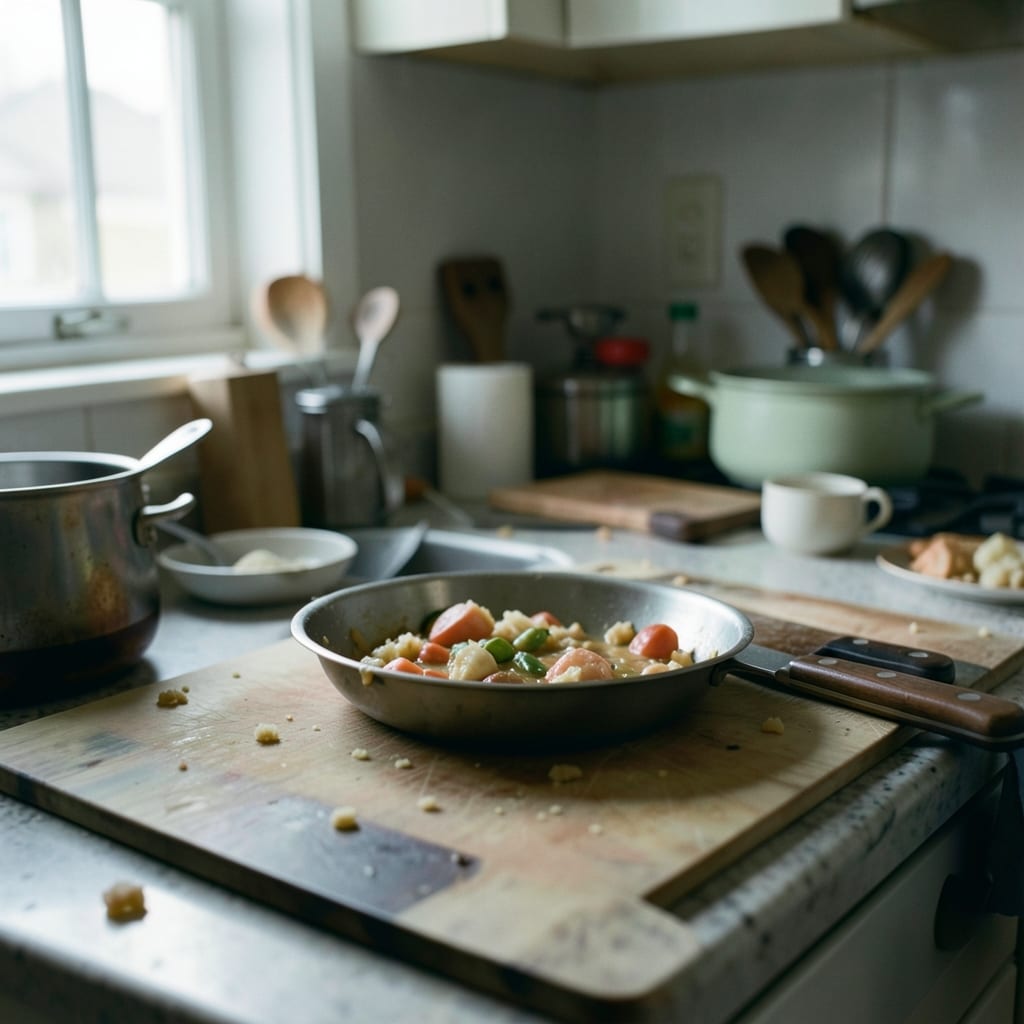
| Stock photos of ‘perfect’ soups. | Photos taken in my kitchen—pots, splatters, and all. |
| Instructions assumed you knew the basics. | Techniques explained as if you’re learning alongside me. |
| No structure—just recipes in the order I remembered them. | Grouped by *why* you’d make them (quick, comforting, leftovers, etc.). |
The one that took years
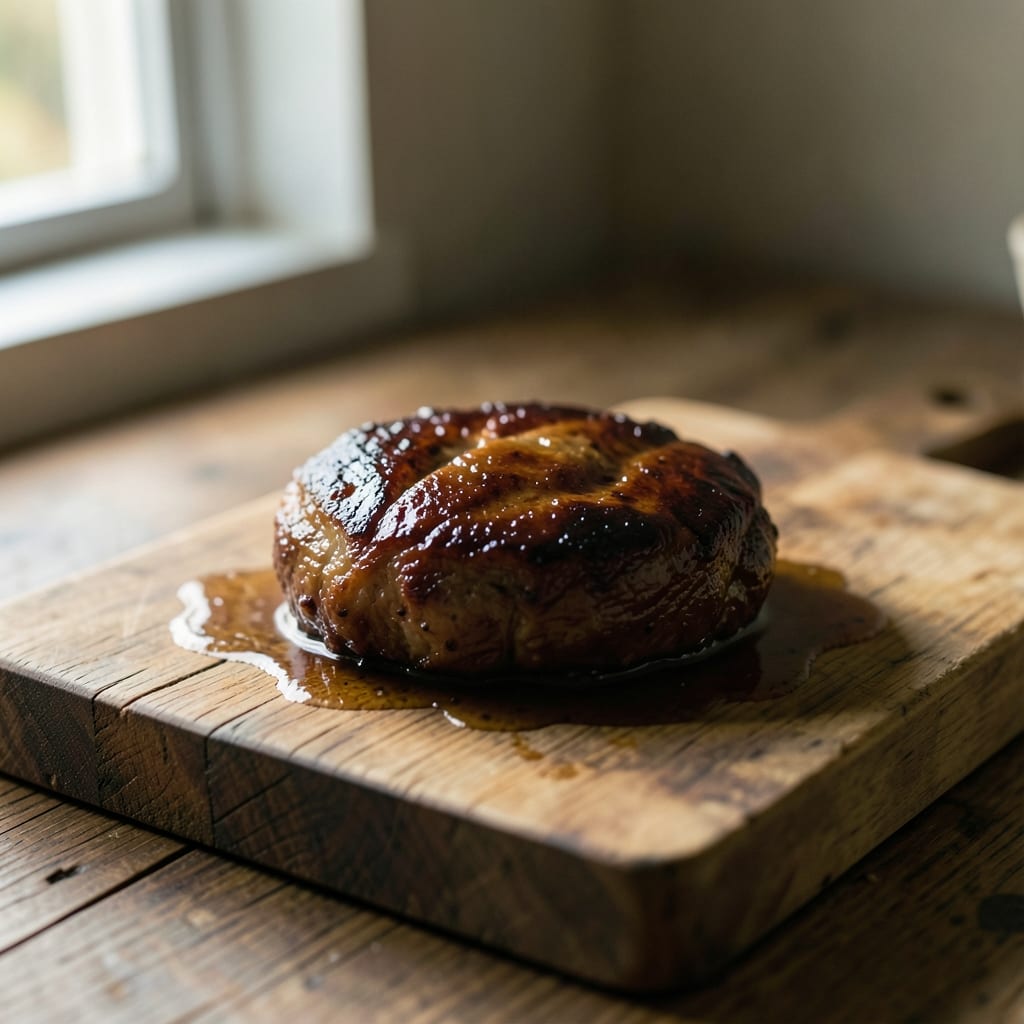
The biggest mistake was thinking ‘good enough’ was enough. For years, I’d tweak a recipe until it tasted right to me, then post it without a second thought. The problem? My kitchen is small, my stove is old, and I’ve been cooking for decades.
A first-time cook in a high-altitude apartment with a slow burner wasn’t going to get the same results. I ignored it because fixing that would mean more work—more testing, more revisions, more time I didn’t have.
It took burning a batch of lentil soup (again) for a friend who’d never cooked before to realize the issue wasn’t her—it was me. She followed my instructions exactly, and the soup turned out watery and bland.
I spent the next six months rewriting every recipe with her in mind: lower heat settings, longer simmer times, and notes like ‘if your pot boils over, you’re stirring too much.’ The first draft of those revisions was a mess. The second was better. The third?
That’s what’s on the site now.
It costs me twenty hours a week—time I could spend cooking instead of documenting, or writing instead of troubleshooting. But the alternative was a site where half the readers gave up before the third step. That wasn’t worth it.
Meet the author

I used to believe recipes were just instructions. If you followed them, you’d get the same result every time. That’s why I’d skip steps I thought were obvious—like ‘let the broth cool slightly before blending’—or assume a reader knew what ‘concentrated’ meant.
The first time I posted a recipe and someone asked, ‘What does that *really* look like?’ I was embarrassed. I thought I was being efficient. I was just lazy.
I also believed that if a recipe didn’t work, it was the cook’s fault. That’s how I ended up deleting comments like ‘This didn’t turn out right’ instead of answering them. The truth? Most of those failures were mine.
A recipe that works in my kitchen shouldn’t fail in yours unless you’re using a different stove, a different pot, or a different kind of salt. I didn’t know that then.
The thing that went badly was the time I rewrote an entire guide on making stock from scratch—only to realize I’d forgotten to mention that you need to *skim the foam* off the surface while it simmers. A reader sent me a photo of their burnt, bitter attempt.
I felt it in my chest.
What changed is that I stopped assuming I knew better than the reader.
Now, I run *Soup Recipes Brew* like I’m teaching a class where everyone’s at a different level. Hector Kirchner is the one who tests every recipe, rewrites the steps until they’re foolproof, and answers every question like it’s the first time I’ve heard it.
The site exists because I finally admitted that ‘good enough’ wasn’t enough—and because I’d rather spend my time fixing problems than pretending they don’t exist.
What did not change
The core belief hasn’t shifted: every bowl should taste like home, even if it’s just for a few minutes. That’s why the site still focuses on soups that feed a crowd, stretch a budget, or turn leftovers into something new. The ‘why’ behind the recipes—comfort, speed, nostalgia—hasn’t changed.
Neither has the rule that if a dish doesn’t work in three different kitchens, it doesn’t belong here.
The tone hasn’t changed either. This isn’t a place for food writing or restaurant reviews. It’s for the person standing in their kitchen at 7 PM, wondering how to use the last of the carrots before they go bad.
The voice is still mine: no corporate jargon, no ‘aspirational’ photos, no pretending that cooking is anything but a mix of science, luck, and occasional disaster.
What is still being fixed
Right now, we’re working on two things: making the site faster for mobile users (half of you read this on your phone, and the steps still look cramped) and adding a ‘troubleshooting’ section to every recipe.
If you’ve got a recipe that’s worked for you, or a kitchen hack that saved your dinner, those would help too.
Things that would help
- A recipe that’s foolproof for your kitchen (slow stove? high altitude? share it).
- A photo of a mistake you fixed—like how you saved a burnt soup or a lumpy broth.
- The one technique no one explains well (e.g., ‘how to tell when a broth is *really* done’).
The recipes are grouped by category: Appetizers, Beverages, Breakfast & Brunch, Desserts, Main Courses and Reviews.