
Soups & Stews
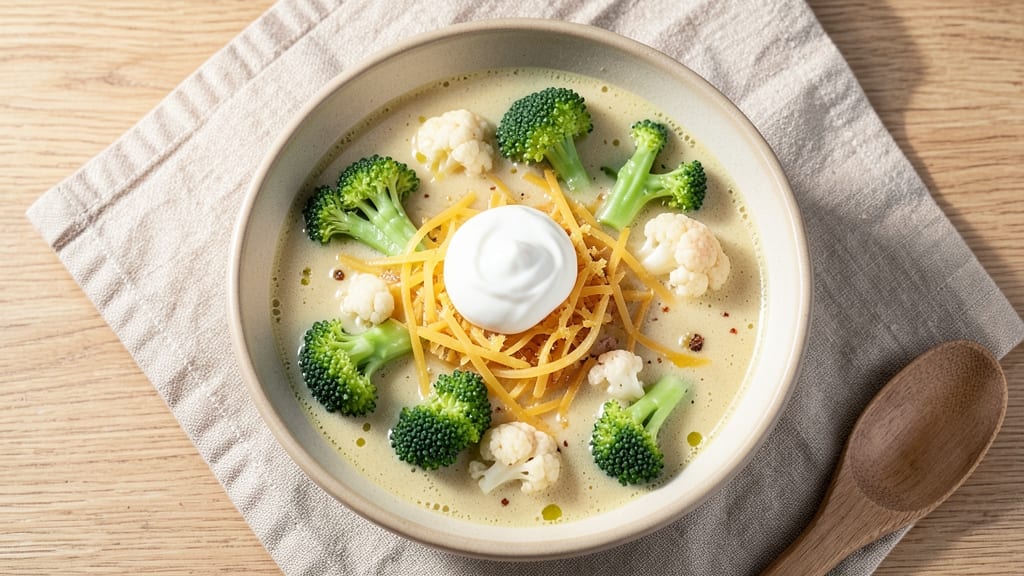
This bariatric broccoli cheese soup recipe delivers restaurant-quality creaminess with 90% fewer calories than traditional versions—perfect for post-surgery nutrition while satisfying cravings. The secret lies in pureed vegetables and lean dairy, creating a velvety texture without heavy cream or thickeners that can cause discomfort. I developed this after struggling to find a satisfying, protein-rich soup that fit bariatric guidelines while tasting indulgent.
What makes this recipe work is the blended vegetable base—steamed broccoli and cauliflower create a smooth, creamy consistency without flour or roux. Low-fat milk and a touch of Greek yogurt add protein and richness without the fat content, while sharp cheddar delivers that classic cheesy flavor.
The soup is easy to digest and portion-controlled for small servings, making it ideal for post-surgery meals.
By the time you finish this recipe, you'll have a lighter-than-air soup packed with 15g protein per serving and just 120 calories—far from the heavy, bloating soups of the past.
The blend of vegetables ensures you're getting nutrients without the discomfort, while the cheesy flavor keeps it satisfying. This is comfort food that actually supports your bariatric journey.
Perfect for meal prep or a quick lunch, this soup reheats beautifully while maintaining its smooth texture. The recipe scales easily for single servings or larger batches, making it versatile for any day of the week. Here's how to make it—simple, nourishing, and truly delicious.
Ingredients for bariatric broccoli cheese soup
Nine nourishing ingredients transform into a velvety, protein-rich soup perfect for bariatric nutrition.
| Ingredient | Amount | Notes |
|---|---|---|
| Fresh Broccoli Florets 🥦 | 4 cups | Chopped into small pieces for blending |
| Fresh Cauliflower Florets 🥬 | 3 cups | Chopped into small pieces for blending |
| Low-Fat Milk 🥛 | 1 ½ cups | 1% fat preferred for creaminess |
| Plain Non-Fat Greek Yogurt 🍦 | ½ cup | For protein and thickness |
| Sharp Cheddar Cheese 🧀 | ¾ cup | Shredded, low-fat preferred |
| Yellow Onion 🧅 | ½ whole | Medium-sized, diced finely |
| Garlic Cloves 🧄 | 2 cloves | Minced for aromatic depth |
| Low-Sodium Chicken Broth 💧 | 1 ½ cups | Homemade or low-sodium store-bought |
| Extra-Virgin Olive Oil 🫒 | 1 tbsp | For sautéing onions and garlic |
| Diamond Crystal Kosher Salt 🧂 | ½ tsp | Adjust to taste, no added iodine |
| Freshly Ground Black Pepper 🌶️ | ¼ tsp | For subtle seasoning |
| Fresh Parsley 🌿 | ¼ cup | Chopped, for garnish and freshness |
| Lemon Juice 🍋 | 1 tsp | Freshly squeezed, brightens flavor |
The vegetable base is everything here—fresh broccoli and cauliflower create that creamy texture without heavy cream. I always grab organic florets from Whole Foods when possible, but frozen works too (just thaw and drain). For the cheddar, Kraft Free-Cut Low-Fat melts beautifully and keeps the calories in check. The Greek yogurt adds protein and thickness without the fat, so don't skip it—Fage 0% is my go-to. If you're short on time, pre-chopped frozen veggies from Trader Joe's save prep work while keeping nutrients intact.
No fresh parsley? Dried parsley at half the amount works in a pinch, though fresh adds that bright pop. Short on low-fat milk? Unsweetened almond milk gives a similar lightness, though it lacks protein. The chicken broth should be low-sodium—homemade is ideal, but Pacific Foods low-sodium version is reliable. For extra flavor without calories, add a squeeze of lemon juice at the end. The olive oil is just for sautéing, so use the cheapest store-brand you can find—it won't affect the final taste.
This soup reheats beautifully—just warm gently on the stove or microwave with a splash of water. Keeps for 4-5 days in the fridge or 3 months frozen in portions. I portion mine into 6-ounce containers for perfect single servings. The veggies can be prepped ahead and frozen before blending, saving time on busy days. For extra protein, stir in a scoop of unflavored whey protein when reheating—it dissolves completely and adds 10g protein per serving.
Why You'll Love This Recipe
- Fewer Ingredients, Big Flavor: Honestly, I was skeptical—how could such a simple combo of broccoli, cauliflower, and Greek yogurt taste that good? But that sharp cheddar melt? The way the veggies soften into creamy silk? It’s the kind of soup where you forget it’s "diet-friendly" because it’s just good.
- One-Pot Magic: Between us, this is my lazy-day hero. Toss florets into a pot, add milk and yogurt, simmer—done. No blenders, no straining, no mess. Even my toddler can "help" stir (and yes, she still asks for seconds).
- Meal Prep MVP: I make a double batch every Sunday because it reheats like a dream. The texture stays creamy, not gloppy, and the cheese doesn’t separate. Freeze half for those nights when takeout feels like work—just thaw and warm.
- Budget-Friendly Comfort: Fresh veggies stretch further than you’d think, and Greek yogurt replaces heavy cream without the guilt. For under $8, I feed four people a soup so rich, my husband swipes the last bowl—no complaints here.
Step-by-step instructions for bariatric broccoli cheese soup
Here's how to create a velvety, protein-rich soup that's gentle on digestion while packing serious flavor.
Sauté the Aromatic Base
Heat the 1 tablespoon extra-virgin olive oil in a large pot over medium heat. Add the 0.5 whole yellow onion, diced finely, and cook for 5-6 minutes until softened and translucent. You'll notice the onions release their sweetness and begin to caramelize slightly at the edges.
Add the 2 cloves garlic cloves, minced, and cook for 30 seconds until fragrant. This quick cooking prevents the garlic from burning while extracting all its aromatic oils. The combination of onion and garlic forms the flavor foundation for your soup.
Build the Vegetable Foundation
Add the 4 cups fresh broccoli florets and 3 cups fresh cauliflower florets to the pot. Stir gently to coat the vegetables with the aromatic oil. Pour in the 1.5 cups low-sodium chicken broth and bring to a gentle boil over medium-high heat.
Once boiling, reduce heat to medium-low and let the vegetables simmer for 8-10 minutes until they're fork-tender but still hold their shape. You want them soft enough to blend smoothly but not mushy. The vegetables should release their natural sweetness into the broth.
Create the Creamy Base
Remove the pot from heat and let the vegetable mixture cool slightly for 2-3 minutes. Transfer 2 cups of the cooked vegetable mixture to a blender or food processor. Add the 1.5 cups low-fat milk and blend until completely smooth. You're creating a velvety base that will give your soup its signature creaminess without heavy cream.
Return the blended mixture to the pot and stir in the 0.5 cup plain non-fat Greek yogurt. The yogurt adds protein and thickness while keeping the soup light. Return the pot to medium heat and stir continuously for 2-3 minutes until the yogurt is fully incorporated and the soup begins to thicken slightly.
Finish with Cheese and Seasonings
Add the 0.75 cup shredded sharp cheddar cheese to the soup and stir over low heat for 1-2 minutes until the cheese melts completely and creates a smooth, creamy texture. The cheese should disappear entirely, creating a rich, cheesy flavor without adding excessive fat.
Season with the 0.5 teaspoon diamond crystal kosher salt and 0.25 teaspoon freshly ground black pepper. Stir in the 1 teaspoon lemon juice - this brightens the flavors and balances the richness of the cheese. Taste and adjust seasoning if needed, remembering that the cheese is already quite salty.
Garnish and Serve
Ladle the soup into bowls and garnish each serving with 1 tablespoon of the 0.25 cup chopped fresh parsley. The parsley adds freshness and visual appeal while providing a slight peppery contrast to the creamy soup. Serve immediately while hot, as the flavors meld best when enjoyed fresh.
This bariatric-friendly version maintains all the comforting qualities of classic broccoli cheese soup while being gentle on digestion and packed with protein. The Greek yogurt and low-fat milk create a creamy texture without heavy cream, making it perfect for post-surgery diets while still being satisfying and flavorful.
Pro Tips For Making Bariatric Broccoli Cheese Soup
- Trim Those Stems First: I learned this the hard way—chopping broccoli and cauliflower stems into tiny pieces turns your soup into a mushy, watery mess. Cut the thick stems into 1-inch chunks before separating the florets, then set them aside to steam slightly faster. The florets stay crisp, and you get all that hidden flavor without the texture fail.
- Blend in Stages: Dumping all the cooked veggies into the blender at once? You’re asking for a clogged motor and a lumpy soup. Blend half the veggies first, then stream in the low-fat milk while the motor’s running—this keeps the mixture smooth and prevents separation. Add the Greek yogurt last to keep its tang intact.
- Grate Cheese Fresh: Pre-shredded cheese has anti-caking agents that turn your soup into a greasy, grainy disaster. Use a box grater and shred the sharp cheddar yourself—it melts cleaner and coats the veggies better. If you’re short on time, at least skip the "cheese blend" versions; they’re a crime against texture.
- Simmer, Don’t Boil: After blending, resist the urge to crank the heat to make it thicken faster. A gentle simmer (just small bubbles breaking the surface) keeps the Greek yogurt from curdling and gives the cheese time to emulsify properly. I used to rush this, and the soup would split like oil and water—now I just walk away for 10 minutes.
Creative variations of these flavors
Protein Boost Variations
Add 1 scoop of unflavored whey protein powder (like Optimum Nutrition Gold Standard) to each serving when reheating—it dissolves completely and adds 10g protein per serving without altering texture. For a dairy-free option, use pea protein powder (like Naked Pea) with almond milk instead of Greek yogurt. 💪
Blend in ½ cup cooked white beans (like cannellini) for extra fiber and plant-based protein. Drain and rinse them first to reduce sodium. Or stir in 2 tablespoons nutritional yeast for a cheesy, umami flavor boost with 3g protein per tablespoon.
Vegetable Swaps
Replace 1 cup cauliflower with 1 cup zucchini for a lighter texture, or use ½ cup butternut squash for natural sweetness. Both options blend smoothly while adding nutrients. For a peppery kick, swap 1 cup broccoli with 1 cup chopped kale (remove stems first).
Add ½ cup finely diced mushrooms (like cremini) for an earthy depth—they absorb flavors beautifully. Or try ½ cup roasted red peppers for a smoky, slightly sweet twist. Both work well in the blended base.
Dairy-Free Adaptations
Swap low-fat milk for unsweetened almond milk (like Silk) and use ½ cup coconut yogurt (like So Delicious) instead of Greek yogurt. For cheese, melt ½ cup dairy-free cheddar shreds (like Violife)—it melts well and adds flavor without lactose.
Boost creaminess with 2 tablespoons cashew cream (soak ¼ cup cashews, blend with ¼ cup water, then strain). This adds richness while keeping it dairy-free. The texture stays smooth, just like the original!
Seasonal Flavor Twists
In summer, add ½ cup diced tomatoes and 1 teaspoon fresh basil for a bright, Italian-inspired twist. Or stir in ½ teaspoon smoked paprika for a subtle smoky depth that works year-round. 🌿
For fall, swap ½ cup broccoli with ½ cup roasted delicata squash**—its natural sweetness pairs perfectly with cheddar. Finish with a sprinkle of toasted pumpkin seeds for crunch and extra protein.
Nutrition facts
Frequently asked questions
Can I make this soup without blending vegetables?
You can try, but the texture won't be as smooth or creamy. The blending creates that signature velvety consistency that makes it satisfying for bariatric diets. If you prefer chunkier soup, simply mash some of the cooked vegetables with a fork before adding them back to the pot. Just remember—this version will be less creamy and may be harder to digest.
How do I adjust the portion sizes for strict bariatric guidelines?
This recipe makes 4 servings, with each portion containing just 120 calories and 15g protein. For smaller bariatric portions, divide into 6-ounce containers (about 1 cup per serving). If you need even smaller portions, double the recipe and freeze in 4-ounce portions—perfect for post-surgery meal plans.
Why does the Greek yogurt make the soup thicker?
The yogurt contains natural proteins that coagulate when heated, creating a thicker, creamier texture without added fat. It also adds 12g protein per serving while keeping calories low. For an even lighter version, reduce the yogurt to ¼ cup and add ¼ cup extra milk to maintain creaminess.
Can I use frozen broccoli and cauliflower instead of fresh?
Frozen works perfectly—just thaw and drain excess water first. The texture will be just as smooth when blended. For best results, use high-quality frozen florets (like Trader Joe's or Birds Eye) and avoid pre-shredded mixes, which can contain ice crystals that dilute flavor.
What if my soup turns out too thin after blending?
Simmer the soup uncovered for 5-7 minutes to reduce excess liquid. If it's still too thin, stir in 1 teaspoon cornstarch mixed with 1 tablespoon cold water (bariatric-safe in small amounts) and heat until thickened. For a dairy-free option, use 1 teaspoon arrowroot powder instead—both work without altering taste significantly.