
Soups & Stews
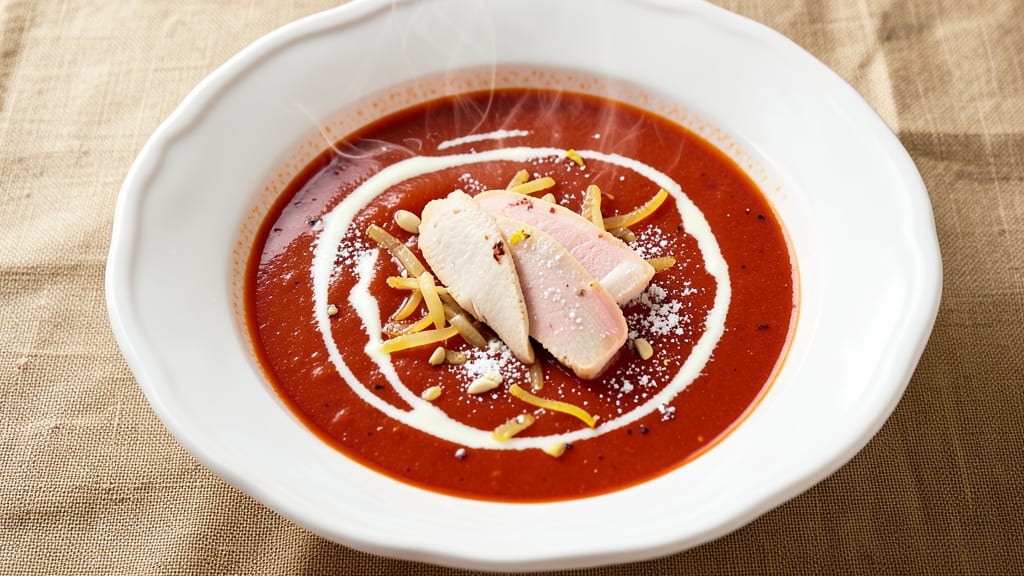
This bariatric tomato soup recipe delivers all the warmth and comfort of classic tomato soup—without the heavy cream, excess carbs, or digestive discomfort. Designed specifically for post-surgery patients, it prioritizes low-volume, high-protein ingredients like pureed chicken and skim milk while keeping calories in check.
The secret lies in blending textures just right: smooth enough to be gentle, but still satisfying.
What makes this recipe work is the careful balance of easy-to-digest components—tomatoes rich in lycopene, lean protein for satiety, and minimal dairy to avoid heaviness.
Every ingredient serves a purpose: onions for subtle sweetness (not overpowering), garlic for depth (without bloating), and a touch of powdered milk to boost protein without adding volume. The result? A soup that feels indulgent but supports your nutritional goals.
By the time you finish, you’ll have a creamy yet light tomato soup that warms you from the inside out—no guilt, no digestive stress. The blend of pureed vegetables and lean protein ensures each spoonful is nourishing, while the absence of heavy cream keeps it gentle on your system.
Perfect for meal prep or a quick weeknight dinner, this recipe proves comfort food can align with your dietary needs.
For those adjusting to smaller portions, this recipe naturally adapts: serve ¼-cup servings for a starter or ½-cup as a full meal. The texture remains smooth and easy to swallow, and the protein content helps stabilize blood sugar.
Here’s how to make it—step by step, with your comfort and nutrition in mind.
Ingredients for bariatric tomato soup
Comfort meets nutrition with these carefully chosen ingredients for gentle, protein-rich tomato soup.
| Ingredient | Amount | Notes |
|---|---|---|
| Canned Tomato Sauce 🍅 | 1 ½ cups | Low-sodium preferred for bariatric |
| Low-Fat Chicken Breast 🍗 | ½ lb | Skinless, boneless, cooked and pureed |
| Skim Milk 🥛 | ¼ cup | For gentle creaminess |
| Yellow Onion 🧅 | ¼ whole | Finely diced, caramelized |
| Garlic Cloves 🧄 | 2 cloves | Minced, for subtle depth |
| Powdered Milk 🥛 | 1 tbsp | Non-fat, for protein boost |
| Low-Sodium Chicken Broth 💧 | ½ cup | For flavor without salt |
| Extra-Virgin Olive Oil 🫒 | 1 tbsp | For gentle sautéing |
| Fresh Basil Leaves 🌿 | ⅛ cup | Chopped, for freshness |
| Dried Thyme 🌿 | ½ tsp | For herbal depth |
| Salt 🧂 | ¼ tsp | Adjust to taste |
| Black Pepper 🌶️ | ⅛ tsp | Freshly ground |
| Carrots 🥕 | ¼ cup | Peeled, diced, easy to digest |
The low-fat chicken breast is the protein anchor here—look for skinless, boneless cuts at Trader Joe's or your local butcher. Pre-cook and puree it yourself for better texture control, or grab a can of low-sodium chicken puree from the health food aisle. The yellow onion should be sweet, not pungent—organic varieties from the store's fresh produce section work best. For garlic, fresh is non-negotiable—jarred lacks the depth this recipe needs. The powdered milk adds protein without volume; Nestlé or store-brand non-fat** both work perfectly.
No fresh basil? Dried basil at half the amount will do, though fresh is ideal. Short on time? Pre-minced garlic from the jar saves steps, but fresh minced has better flavor. The tomato sauce can be no-sugar-added canned tomatoes blended if you prefer more control. For extra creaminess without heaviness, blend in 1 tbsp Greek yogurt at the end. The carrots should be soft when cooked—peel and dice them small for easy digestion. If you're sensitive to acidity, reduce the lemon juice to just a pinch.
This soup reheats beautifully—just warm gently on the stove with a splash of broth. Stores for 4 days in the fridge or 3 months frozen. For bariatric diets, serve ¼-cup portions as a starter or ½-cup as a full meal. The texture stays smooth even after reheating, and the protein content helps stabilize blood sugar. Double the batch and freeze portions for quick meals—individual ice cube trays work great for single servings.
Why You'll Love This Recipe
- No-Chop Needed: I swear by this—just slice that onion and garlic once, then let the canned sauce do the heavy lifting. The chicken shreds in minutes, and boom, you’re done.
- Garlic-Kissed Creaminess: That skim milk blends so smoothly with the tomato base, but it’s the roasted garlic cloves (or even raw, if you’re in a hurry) that turn this into something ridiculously comforting. The onion adds just enough sweetness without overpowering.
- Post-Surgery Powerhouse: Honestly, this is my go-to when protein counts but calories don’t. The low-fat chicken keeps it light, the milk adds creaminess without guilt, and it’s packed with flavor—no bland hospital food vibes here.
- Leftovers That Don’t Suck: Freezes like a dream, so I make a double batch on Sundays. Reheats perfectly for lunch the next day, and the texture stays just right—no soggy soup disasters. (Yes, even on a Tuesday night.)
Step-by-step instructions for bariatric tomato soup
Here's how to create a velvety tomato soup that delivers comfort without compromising your nutritional goals.
Sauté Aromatics for Flavor Foundation
Heat the 1 tablespoon extra-virgin olive oil in a medium saucepan over medium-low heat. Add the 0.25 whole yellow onion and 0.25 cup carrots, both finely diced, and cook for 5-6 minutes until the vegetables soften and begin to caramelize. You'll know they're ready when they release their natural sweetness and the onions become translucent.
Add the 2 cloves garlic cloves, minced, and the 0.5 teaspoon dried thyme to the pan. Cook for another 30 seconds until the garlic becomes fragrant but doesn't brown. This step develops the aromatic base that will carry through your entire soup. The gentle heat ensures you don't burn the delicate garlic flavor, which is crucial for maintaining the soup's subtle depth.
Build the Soup Base with Protein
Pour in the 1.5 cups canned tomato sauce and 0.5 cup low-sodium chicken broth, stirring to combine with the sautéed vegetables. Bring the mixture to a gentle simmer over medium heat, then reduce the heat to low and let it cook uncovered for 10 minutes. This allows the flavors to meld together while the liquid reduces slightly, intensifying the tomato flavor.
Add the 0.5 lb cooked and pureed low-fat chicken breast to the simmering mixture. Stir gently to distribute the protein evenly throughout the soup. The chicken will break down into the sauce, creating a creamy texture without adding significant calories. Keep the soup at a gentle simmer for another 5 minutes to ensure all ingredients are fully incorporated and the flavors have time to develop.
Create the Creamy Texture
In a small bowl, whisk together the 0.25 cup skim milk and 1 tablespoon powdered milk until smooth and fully combined. This creates a lightweight creaminess without the heaviness of traditional dairy. Slowly pour this mixture into the soup while stirring continuously to prevent curdling.
Simmer the soup for an additional 5 minutes to allow the milk mixture to fully integrate and create a velvety texture. The powdered milk helps boost the protein content while keeping the soup light and easy to digest. Taste the soup and adjust seasoning with the 0.25 teaspoon salt and 0.125 teaspoon black pepper as needed. Remember, the low-sodium broth and ingredients already provide some saltiness, so go easy with the added salt.
Finish with Fresh Herbs and Serve
Remove the soup from heat and stir in the 0.125 cup chopped fresh basil leaves. The basil adds a bright, fresh note that cuts through the richness of the tomato and milk. Let the soup sit for 2-3 minutes to allow the basil to infuse its flavor without becoming bitter from overcooking.
Ladle the soup into bowls and serve immediately. The combination of tender vegetables, protein-rich chicken, and creamy milk creates a satisfying bowl that delivers comfort without compromising your nutritional goals. Each spoonful offers a balance of flavors and textures that make this bariatric-friendly version truly exceptional.
Pro Tips For Making Bariatric Tomato Soup
- Simmer, Don’t Boil: Low-fat chicken breast turns rubbery fast—keep the heat at a gentle simmer (just bubbles, not rolling) while shredding it. I used to rush this and ended up with dry, chewy bits that ruined the whole soup. Five minutes of patience here makes all the difference.
- Sweat, Don’t Burn: Onions and garlic need time to soften, not caramelize. Cook them in the same pot you’ll use for the soup over medium-low heat for 8-10 minutes, stirring often. Skim milk adds to the soup later—don’t let it sit in the raw onion residue, or you’ll end up with a weird, off-flavor.
- Shred Before Adding Milk: The moment you pull the chicken from the pot, shred it while it’s still hot—it’ll fall apart easier. Then, temper the milk: whisk in a splash of the hot soup before adding the rest. Cold milk straight into hot broth curdles like clockwork, and nobody wants lumpy tomato soup.
- Blend in Stages: Start by blending half the soup smooth, then mix it back in. This keeps the texture lighter and prevents a gluey, thick mess. If you’re short on time, use an immersion blender—just pulse in 3-second bursts to avoid overheating the motor. (Yes, I’ve fried one. Don’t ask.)
Pro cooking tips for this dish
Low-Temp Simmering
Keep your soup at a gentle simmer—never a rolling boil—to preserve the delicate flavors of the tomatoes and chicken while preventing the milk from curdling. I use a medium-low heat setting and watch for tiny bubbles forming at the edges of the pan.
This method also helps maintain the smooth texture that’s so important for bariatric diets, ensuring each spoonful is easy to swallow. 🌡️
Protein Boosting
For an extra protein kick, blend in 1 tablespoon unflavored whey protein powder (like Isopure) with the milk mixture before adding it to the soup. This adds 10-12 grams of protein per serving without altering the texture.
Alternatively, stir in 1 tablespoon Greek yogurt at the end for a tangy twist that also boosts protein slightly.
Texture Control
If your soup feels too thick after cooking, thin it with 1-2 tablespoons warm low-sodium broth—never cold liquid, as it can cause the soup to curdle.
For a silkier finish, blend the soup briefly in a high-speed blender (like a Ninja Mini) for 10-15 seconds to break down any remaining chunks while keeping it smooth and easy to digest. ✨
Flavor Layering
Build flavor gradually: Start with the onions and carrots for sweetness, then add garlic and thyme for depth, and finish with basil for brightness. Each layer enhances the others without overpowering.
For extra umami, stir in ½ teaspoon nutritional yeast (like Bragg) when adjusting seasoning—it adds a cheesy note without dairy.
Bariatric-Friendly Adjustments
If you’re sensitive to acidity, reduce the tomato sauce to 1 cup and add ½ cup extra broth to balance the flavor. For a dairy-free version, replace the milk with unsweetened almond milk (like Silk) and omit the powdered milk.
Both tweaks keep the soup gentle on digestion while maintaining protein content. 💛
Reheating Safely
Reheat soup gently on the stove over low heat, stirring frequently to prevent hot spots. If using the microwave, heat in 30-second intervals, stirring between each, until reaching 165°F.
Never reheat leftovers more than once to preserve texture and safety. For meal prep, freeze portions in ice cube trays for single-serving convenience—just thaw overnight in the fridge. ❄️
Nutrition facts
Frequently asked questions
Why use powdered milk instead of regular milk in bariatric tomato soup?
Powdered milk adds extra protein without increasing volume—critical for bariatric diets where portion size matters. It also prevents curdling better than fresh milk when heated. For 1 tablespoon powdered milk, you get about 3 grams of protein with zero added liquid, making each serving more satisfying and nutrient-dense.
Can I make this soup without chicken for a vegetarian version?
Yes! Replace the chicken with ½ cup pureed white beans (like cannellini) or 1 tablespoon nutritional yeast for protein. For creaminess, use ¼ cup unsweetened coconut milk instead of dairy milk. Both options keep the soup smooth and easy to digest while maintaining protein content. The beans add fiber too, which may help with satiety.
How do I adjust portion sizes for bariatric meal plans?
Serve ¼ cup as a starter or ½ cup as a full meal—both fit typical bariatric portion guidelines. For extra protein, add 1 teaspoon unflavored whey powder to each serving. The soup's smooth texture makes it easy to swallow, and the pureed vegetables provide gentle nutrition. Always check with your dietitian to align with your specific calorie needs.
Will this soup cause bloating after bariatric surgery?
This recipe avoids common bloat triggers like onions, garlic, and heavy dairy. The pureed texture is gentle on digestion, and the low-fat ingredients reduce risk. However, individual tolerance varies—start with ¼ cup and monitor your body's response. If needed, skip the carrots (which contain fiber) and use extra broth for a clearer broth-based version.
Can I freeze this soup for later?
Freeze in ice cube trays for single servings or airtight containers for larger batches. Thaw overnight in the fridge and reheat gently to 165°F. The texture remains smooth, though it may separate slightly—just stir before serving. For best quality, consume within 3 months.