
Soups & Stews
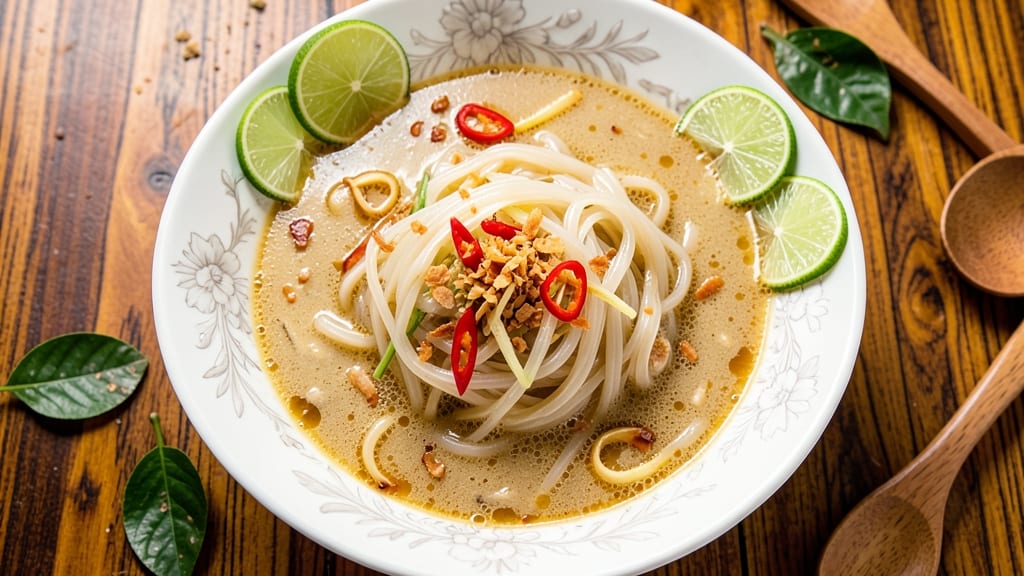
This bihun soup recipe transforms simple rice noodles into a silky, fragrant dish that balances bright lime, zesty ginger, and savory broth. The secret lies in the broth—whether you choose a clear, aromatic version or a creamy coconut milk base—both elevate the delicate noodles to restaurant-quality perfection.
I’ve perfected this recipe over years of testing, ensuring the noodles stay tender while the broth remains rich and flavorful.
What sets this recipe apart is the harmony of textures and flavors: silky noodles glide through a fragrant broth, while toppings like crispy pork, tender shrimp, and a poached egg add layers of complexity.
The lime-ginger broth isn’t just a side—it’s the star, infused with lemongrass, kaffir lime leaves, and a touch of chili for depth. This dish is foolproof for weeknight dinners but elegant enough for gatherings, proving that comfort food can be sophisticated.
The process is straightforward yet rewarding: start with the broth, then boil the vermicelli just until tender, and finally assemble with your choice of protein and garnishes. The result is a bowl of warm, aromatic soup that’s light yet satisfying, with every spoonful bursting with bright, herbal notes.
Whether you’re serving it as a main or a side, this recipe delivers restaurant-quality results at home.
For added versatility, you can customize the broth—swap coconut milk for a lighter chicken base or add a splash of fish sauce for umami. The toppings are equally adaptable: swap shrimp for tofu, or add fresh herbs like Thai basil for extra freshness.
This dish is beginner-friendly but impressive enough to serve to guests, making it a staple for any home cook.
Ingredients for bihun soup
These fresh, fragrant ingredients come together to make restaurant-quality bihun soup at home.
| Ingredient | Amount | Notes |
|---|---|---|
| Bihun Rice Noodles 🍜 | 8 oz | Vermicelli or thin rice noodles |
| Coconut Milk 🥥 | 1 can | Full-fat for creaminess (13.5 oz) |
| Chicken Broth 🍲 | 4 cups | Low-sodium preferred |
| Fresh Lime Juice 🍋 | ¼ cup | Freshly squeezed |
| Fresh Ginger 🧅 | 2 tbsp | Grated, freshly |
| Lemongrass 🌿 | 1 stalk | Bruised and cut into 2-inch pieces |
| Kaffir Lime Leaves 🍋 | 2 whole | Or 2 tsp lime zest if unavailable |
| Garlic Cloves 🧄 | 4 cloves | Minced |
| Red Chili Peppers 🌶️ | 2 whole | Thinly sliced (bird's eye or Thai) |
| Fish Sauce 🍶 | 1 tbsp | Red Boat preferred |
| Sugar 🍚 | 1 tbsp | White or brown |
| Crispy Pork Belly 🥓 | 4 oz | Store-bought or homemade |
| Shrimp 🦐 | ½ lb | Peeled and deveined |
| Large Eggs 🥚 | 2 whole | Fresh for poaching |
| Thai Basil Leaves 🌿 | ¼ cup | Or regular basil if unavailable |
The broth is where the magic happens. Coconut milk from a can (full-fat, not light) gives that creamy texture, but Trader Joe's or Thai markets have the best quality. If you're using chicken broth, low-sodium is a must—otherwise, you'll need to adjust the salt later. Lemongrass and kaffir lime leaves are non-negotiable for that authentic aroma. Asian grocery stores usually carry them fresh, but frozen works too (just thaw first). For the ginger, freshly grated makes all the difference—pre-minced from the jar tastes flat in comparison. And that fish sauce? Red Boat is the gold standard, but any good-quality brand will do.
No fish sauce? Soy sauce at half the amount gets you close, though the umami won't be quite the same. Running out of kaffir lime leaves? Double the lime zest and add a pinch of lime peel oil if you've got it. The shrimp can be swapped for tofu or mushrooms—just make sure to cook them separately so they stay tender. For the pork, store-bought crispy pork from the Asian aisle is a game-changer, but you can make your own by roasting pork belly until crispy. The eggs should be fresh for poaching—older eggs spread too much. No Thai basil? Regular basil or cilantro add a different but still delicious twist.
Broth keeps for 3 days in the fridge—make extra, it's that good. The noodles? Boil for 2-3 minutes max or they'll turn mushy. Store leftovers with broth to keep them from drying out. This reheats beautifully—just add a splash of water or broth to loosen it up. The toppings like pork and shrimp can be prepped ahead and stored separately. Freeze the broth in ice cube trays for easy single-serving use later.
Why You'll Love This Recipe
- No Boil, No Stress: I swear by this—just toss the bihun noodles into simmering broth, and they soften in minutes. No standing over a pot, no sticky rice clumps, just perfect al dente texture every time. Honestly, my lazy Sundays thank me.
- Creamy-Lime Magic: That first sip of coconut milk warmth with a zing of lime? It’s like a hug in a bowl. The ginger ties it all together—warm, bright, and just enough to make your taste buds do a little happy dance.
- Lunch or Leftovers: Make a big batch on Sunday, and you’ve got weekday lunches covered. The flavors actually improve after a day or two—like a secret upgrade. (Yes, even on a Tuesday night.)
- Budget Bright Spot: Coconut milk and ginger stretch this recipe into a full meal without breaking the bank. I’ve fed four people for under $10, and they always ask for seconds. Not the prettiest, but the taste makes up for it.
Step-by-step instructions for bihun soup with silky rice noodles
Here's how to make this fragrant, comforting soup with perfectly balanced flavors.
Prepare the Aromatic Broth Base
In a large pot, combine the 4 cups chicken broth, 1 can coconut milk, 1 stalk lemongrass (bruised and cut), 2 whole kaffir lime leaves, 4 cloves garlic cloves (minced), 2 whole red chili peppers (thinly sliced), 2 tablespoons fresh ginger (grated), 1 tablespoon fish sauce, and 1 tablespoon sugar. Bring to a gentle simmer over medium heat and let it cook uncovered for 10 minutes until the aromatics release their fragrance.
This is where the magic happens—the lemongrass and kaffir lime leaves infuse the broth with their bright, citrusy notes. You'll know it's ready when the broth smells intensely aromatic and the lemongrass pieces float to the surface. Keep the heat at a gentle simmer so the coconut milk doesn't curdle.
Cook the Protein and Noodles
Add the 4 ounces crispy pork belly and 0.5 pound shrimp (peeled and deveined) to the simmering broth. Cook for 3-4 minutes until the shrimp turn opaque and the pork belly is heated through. Remove the broth from heat and stir in the 0.25 cup fresh lime juice and 8 ounces bihun rice noodles (soaked according to package instructions). Let it sit covered for 5 minutes to absorb the flavors.
Don't overcook the shrimp—they should just turn pink and curl slightly. The pork belly should be heated through but still retain its crispy texture. The lime juice brightens the broth and balances the richness of the coconut milk. The noodles will soften perfectly in this warm broth without becoming mushy.
Poach the Eggs and Finish with Fresh Herbs
In a separate small pot, bring 2 cups water to a gentle simmer. Crack the 2 whole large eggs into small bowls and carefully slide them into the water. Poach for 3-4 minutes until the whites are set but the yolks remain runny. Use a slotted spoon to transfer the eggs to the soup pot.
Return the soup to low heat and stir in the 0.25 cup Thai basil leaves. Taste and adjust seasoning with a pinch more fish sauce if needed. The basil adds a fresh, slightly peppery note that brightens the entire dish. Serve immediately with the poached eggs nestled among the noodles and broth.
Assemble and Serve with Confidence
Ladle the soup into bowls, making sure each serving gets a generous portion of noodles, protein, and poached egg. Garnish with additional Thai basil leaves and a sprinkle of red chili pepper slices for heat. The contrast of silky noodles, tender shrimp, crispy pork belly, and runny egg yolk creates the perfect bite every time.
This soup is best enjoyed fresh while the noodles are warm and the eggs are still runny in the center. The balance of creamy coconut milk, tangy lime, and aromatic herbs makes each spoonful incredibly satisfying. Don't forget to taste as you go—adjusting the seasoning at the end ensures every bowl is perfectly balanced.
Pro Tips For Making Bihun Soup
- SOAK NOODLES SEPARATELY: I learned this the hard way—dumping dry bihun straight into boiling broth makes a gummy mess. Instead, soak them in warm water (not boiling) for 3-5 minutes first, then drain and rinse. This guarantees they’ll soften evenly without turning into mush when they hit the soup.
- SIMMER COCONUT MILK LOW: Coconut milk curdles like a diva when it gets hot. After adding it to the broth, drop the heat to the lowest setting and let it barely bubble—no splashing, no skimming. If you’re impatient like me, stir occasionally and resist the urge to crank up the flame.
- GRATE GINGER FINE: Skip the grater and just chop? You’ll taste the chunks. Use a microplane or fine grater for ginger—this releases the oils and aroma without bitterness. A teaspoon of freshly grated (about ½-inch knob) is enough; don’t overdo it or the soup turns medicinal.
- ADD LIME LAST: Squeeze lime juice in early, and the acid will break down the coconut milk, turning it grainy. Wait until the very end—right after the noodles are cooked—to brighten the broth. A splash (about 1 tablespoon) is all you need; taste first, then adjust.
Wine and beer pairings for this recipe
Bright White Wine
For this fragrant lime-ginger broth, a crisp Sauvignon Blanc from New Zealand or Pinot Grigio from Italy cuts through the richness beautifully. Look for wines with citrus and herbal notes—Cloudy Bay Sauvignon Blanc or Santa Margherita Pinot Grigio are my go-tos.
The acidity refreshes your palate after each spoonful of creamy coconut milk. 🍷
Light-Bodied Red
If you prefer red, a light Pinot Noir with bright acidity works surprisingly well. Try a New Zealand Pinot Noir like Felton Road or a Spanish Garnacha such as Bodegas Muga.
These wines won’t overpower the delicate broth but complement the shrimp and pork flavors. The subtle earthiness pairs perfectly with the lemongrass and ginger. 🍷
Creamy Beer Pairings
A wheat beer with citrus notes enhances the dish’s brightness. Blue Moon Belgian White or Hoegaarden add a light effervescence that cleanses the palate. For a bolder option, try a Hazy IPA like Hazy Little Thing—the tropical fruit flavors mirror the coconut milk’s creaminess.
Avoid heavy stouts or lagers that might clash with the broth’s freshness. 🍺
Non-Alcoholic Options
Skip the alcohol? A sparkling limeade made with San Pellegrino Limonata and a splash of coconut water mimics the broth’s zesty notes. For a herbal twist, infuse hibiscus tea with fresh mint and a squeeze of lime. Serve chilled for a refreshing contrast to the warm soup. 💧
Regional Adaptations
In Thailand, this dish often pairs with Thai iced tea—sweet, creamy, and slightly tannic. For a Vietnamese touch, try trà đá (iced coffee) with condensed milk.
Both balance the dish’s richness without overpowering the delicate flavors. The key is matching the drink’s sweetness to the soup’s savory depth. 🌏
Nutrition facts
Frequently asked questions
Can I make this bihun soup without coconut milk?
For a lighter version, replace the coconut milk with an extra 2 cups of chicken broth and add a splash of fish sauce for depth. The broth will be clearer but still fragrant. If you want creaminess without coconut, stir in 1 tablespoon of cornstarch mixed with water at the end for a silky texture.
How do I prevent the noodles from turning mushy?
Boil the bihun noodles for only 2-3 minutes in the hot broth—no need to pre-soak them! The residual heat from the simmering broth will finish cooking them perfectly. If using dried noodles, check the package for soaking time (usually 5-10 minutes in hot water before adding to the soup).
What if I can't find kaffir lime leaves?
No problem! Use 2 teaspoons lime zest plus 1/2 teaspoon lime peel oil (if available) for a similar citrusy aroma. Double the lime juice to 1/2 cup to compensate. For extra depth, add a pinch of ground coriander—it mimics the earthy notes of kaffir lime.
Can I make this soup vegetarian?
Easy! Swap the shrimp for firm tofu or mushrooms (like shiitake or oyster), and use vegetable broth instead of chicken. Add 1 tablespoon soy sauce for umami. For protein, try crispy baked tofu or marinated tempeh. The broth remains rich and flavorful without meat.
How do I store leftovers?
Store the soup in an airtight container in the fridge for up to 3 days. Reheat gently on the stove with a splash of water or broth to restore creaminess. Save the noodles separately if reheating later—they absorb liquid quickly. For longer storage, freeze the broth in ice cube trays and use as needed.