
Soups & Stews
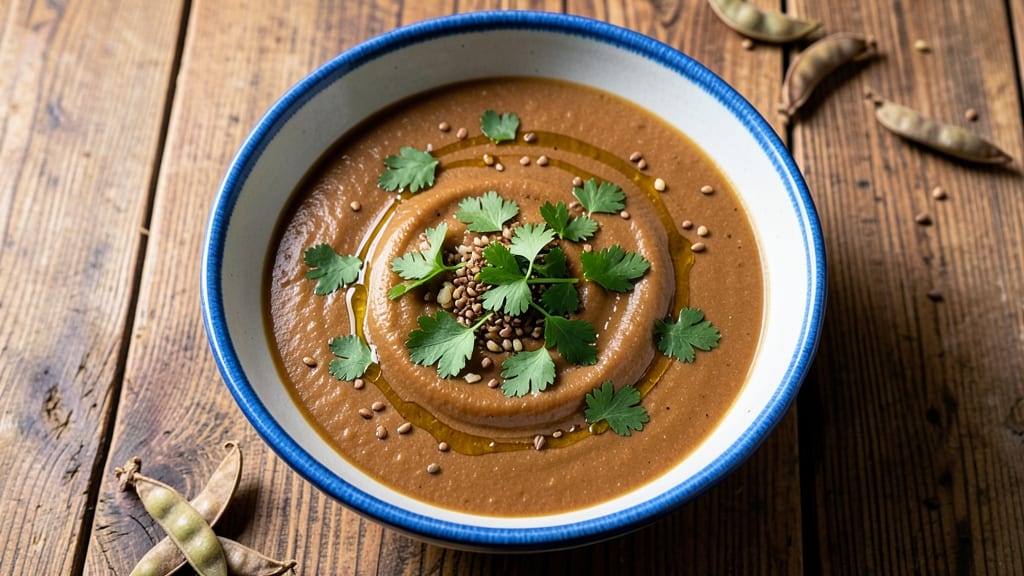
This bissara soup recipe brings the vibrant flavors of North African cuisine to your kitchen with its creamy fava bean base and aromatic cumin crunch. 🌟 A staple in Tunisian and Algerian homes, bissara transforms humble ingredients into a hearty, protein-rich dish that's both comforting and deeply satisfying.
The secret lies in blending tender fava beans with toasted cumin and garlic, creating a velvety texture that's impossible to resist.
What makes bissara truly special is its simplicity—just a handful of ingredients come together to create a soup that's rich in flavor and nutrition. Unlike many soups that require complex techniques, bissara thrives on patience, allowing the beans to soften and the spices to meld into a harmonious blend.
The result is a dish that's equally at home as a light lunch or a warming dinner, especially during cooler months.
Beyond its delicious taste, bissara offers a nutritional powerhouse with plant-based protein, fiber, and essential minerals like iron and magnesium. The toasted cumin adds warmth and depth, while fresh parsley brightens the dish with a touch of freshness.
This soup isn't just food—it's a cultural experience that brings the heart of North Africa to your table.
Perfect for vegans, vegetarians, or anyone looking for a flavorful, protein-packed meal, bissara proves that simple ingredients can create extraordinary flavors. Whether you're serving it as a main dish or a side, this recipe delivers restaurant-quality results with minimal effort. Let's bring bissara to life in your kitchen!
Ingredients for bissara soup
North African pantry staples meet velvety fava beans in this protein-rich, aromatic soup delight.
| Ingredient | Amount | Notes |
|---|---|---|
| Dried Fava Beans 🌱 | 1 ½ cups | Soaked overnight, rinsed |
| Ground Cumin 🌿 | 2 tbsp | Toasted for enhanced aroma |
| Garlic Cloves 🧄 | 4 cloves | Peeled, lightly crushed |
| Extra-Virgin Olive Oil 🫒 | ½ cup | For toasting spices |
| Vegetable Broth 💧 | 4 cups | Low-sodium preferred |
| Fresh Parsley 🌿 | ¼ cup | Chopped for garnish |
| Lemon Juice 🍋 | 2 tbsp | Freshly squeezed |
| Salt 🧂 | 1 tsp | Diamond Crystal preferred |
| Black Pepper 🌶️ | ½ tsp | Freshly ground |
| Cayenne Pepper 🔥 | ¼ tsp | Adjust for heat preference |
| Fresh Cilantro 🌱 | ¼ cup | Optional garnish |
| Olive Oil 🫒 | 2 tbsp | For drizzling |
The dried fava beans are the heart of bissara, and soaking overnight is non-negotiable for tender texture. Opt for organic beans when possible—they hold their shape better during cooking. Whole Foods or Middle Eastern markets often carry high-quality dried fava beans in bulk, but any reputable grocery store's dried legume section will work. Toasting the cumin and garlic in olive oil before adding broth unlocks their full aromatic potential—don't skip this step. For the broth, low-sodium vegetable broth ensures you control the seasoning, though homemade is ideal if you're ambitious.
No fresh parsley? Fresh cilantro at half the amount works in a pinch, though it changes the flavor profile slightly. Substituting dried cumin requires half the quantity, but toasting it first is still crucial. For a richer texture without beans, white beans or chickpeas can replace up to half the fava beans, though the flavor will differ. The lemon juice can be swapped for white vinegar at half the amount if needed, though fresh lemon adds brightness. If you're sensitive to heat, reduce the cayenne to a pinch or omit entirely—the soup still shines.
Cooked fava beans keep in the fridge for 4-5 days in their cooking liquid, making this an excellent make-ahead soup. For longer storage, freeze the cooked mixture in airtight containers for up to 3 months. Reheat gently on the stove with a splash of water or broth to restore creaminess. The garnish of parsley and olive oil should always be added fresh—it's what transforms bissara from simple to extraordinary. Portion into bowls with crusty bread for a complete meal that's both nourishing and deeply satisfying.
Why You'll Love This Recipe
- No-Soaking Needed: I’ll admit—most dried bean recipes make me groan at the thought of overnight soaking. But bissara? Just a quick rinse and a simmer. The beans soften fast in the broth, and honestly, that earthy cumin aroma hits the air before you even stir.
- Umami Bomb: That first spoonful? Rich, toasty, and deeper than you’d expect. The cumin and olive oil caramelize into something almost nutty, while the garlic adds this bright, punchy finish. It’s the kind of flavor that makes you want to slurp it straight from the pot—no shame.
- Budget Meal Magic: A single bag of dried fava beans stretches into multiple bowls, and the rest of the ingredients? Basic pantry staples. Here’s what sold me: I made this for a dinner party, then fed my family leftovers for lunch. Zero waste, all satisfaction.
- Weeknight Workhorse: Cold nights? Stressful days? This soup is my go-to. Toss in a handful of spinach at the end, and it’s ready in 40 minutes. Between us, it’s the only recipe I’ve ever made that tastes better the second day—perfect for prepping ahead.
Step-by-step instructions for bissara soup
Here's the authentic method to create this Egyptian classic with rich, earthy flavors.
👨🍳 Step 1: Toast the Cumin and Prepare the Beans
Heat the 0.5 cup extra-virgin olive oil in a heavy-bottomed pot over medium heat. Add the 2 tbsp ground cumin and toast for 1-2 minutes until fragrant and lightly golden—this enhances the cumin's aromatic depth. Immediately add the 1.5 cups dried fava beans (rinsed after soaking) and stir to coat in the oil.
Pour in the 4 cups vegetable broth and bring to a boil. Reduce heat to low and simmer uncovered for 1 hour to 1 hour 15 minutes until the beans are completely tender and begin to break down. You'll know they're ready when they mash easily between your fingers with minimal pressure.
🍳 Step 2: Build the Base and Season
Add the 4 peeled, lightly crushed garlic cloves, 1 tsp salt, 0.5 tsp black pepper, and 0.25 tsp cayenne pepper to the pot. Simmer for another 10 minutes to allow the garlic to infuse its flavor without burning. The soup should now have a thick, creamy consistency with visible bean fragments.
Real talk: The cayenne is optional, but I find it adds just the right amount of warmth that balances the earthy cumin. If you prefer milder heat, you can reduce it to 0.125 tsp or omit entirely. Taste the soup at this stage—it should be rich and savory, with the cumin aroma dominating.
🥘 Step 3: Finish with Acid and Garnish
Remove the pot from heat and stir in the 2 tbsp freshly squeezed lemon juice. This brightens the soup and cuts through the richness of the beans. The acidity also helps emulsify the natural bean oils, creating that signature velvety texture. Let the soup sit off heat for 5 minutes to allow flavors to meld.
Before serving, drizzle with the 2 tbsp olive oil and garnish with 0.25 cup chopped fresh parsley and 0.25 cup chopped fresh cilantro. The parsley adds freshness while the cilantro introduces a bright, citrusy note. The oil floating on top is traditional—it adds a luxurious finish and prevents the soup from becoming too thick when cooled.
⏰ Step 4: Serve with Traditional Accompaniments
Ladle the bissara into bowls and serve immediately with warm pita bread or crusty bread for dipping. The bread helps balance the soup's richness and soak up every last drop of that cumin-infused bean broth. For extra crunch, sprinkle with toasted pita chips or crushed sesame seeds on top.
This soup tastes even better the next day as flavors deepen, but the texture will thicken slightly. If needed, thin with a splash of warm water or broth. The key to perfect bissara lies in the slow simmering and proper seasoning—don't rush either step. The result should be a velvety, aromatic soup that's both comforting and complex.
Pro Tips For Making Bissara Soup
- SOAK BEANS OVERNIGHT: I learned this the hard way—rushing the soak leaves you with tough, chalky beans. Use a bowl of cold water and 1 tablespoon of baking soda per pound of dried fava beans, then let them sit 12+ hours. The baking soda softens them faster than plain water, and you’ll end up with a silky texture instead of gummy bits.
- TOAST CUMIN LOW: Skip the high heat—it burns fast and turns bitter. Warm your ground cumin in olive oil over low heat for 2-3 minutes, stirring constantly, until it smells earthy and toasty. This step makes the difference between a flat flavor and that deep, nutty aroma that defines bissara.
- STRAIN BEANS WELL: After cooking, don’t just dump the beans into the pot—give them a good rinse in a fine-mesh strainer. The starch clinging to them will thicken your broth into glue if left unchecked. A quick rinse keeps the soup light and lets the garlic and cumin shine.
- SIMMER GARLIC GENTLY: Garlic burns faster than you’d think. Once you add the minced cloves to the oil, keep the heat low and stir every 30 seconds—you’re aiming for golden, not crispy. Overcooked garlic turns bitter, and you’ll regret it when the whole soup tastes off.
Serving suggestions for this dish
Bread Pairings
Serve bissara with warm, freshly baked pita bread for the ultimate North African experience. The soft, chewy texture of pita soaks up the creamy bean broth beautifully, while its mild flavor lets the cumin and garlic shine.
I like using whole wheat pita for extra heartiness, or garlic-infused pita for an extra layer of flavor. 🥖
For a rustic touch, try crusty sourdough or focaccia—their dense texture holds up well to the rich soup. If you want something lighter, flatbreads like lavash or naan work perfectly.
Pro tip: Warm the bread in a 350°F oven for 5 minutes before serving to keep it soft and pliable.
Crunchy Toppings
Add toasted pita chips or crushed sesame seeds for texture contrast that elevates the dish. For pita chips, cut pita into triangles, brush with olive oil, and bake at 400°F for 8-10 minutes until golden and crispy. Sprinkle them on top just before serving to maintain crunch. 🌟
Sesame seeds add a nutty depth—use 1 tsp toasted sesame seeds per bowl. For extra flair, try crumbled feta cheese (if not vegan) or toasted pine nuts for a richer finish. The contrast between the creamy soup and crunchy toppings makes every bite exciting.
Fresh Garnishes
Fresh herbs transform bissara from simple to extraordinary. Always garnish with chopped parsley (about ¼ cup) for brightness, and cilantro (another ¼ cup) for a citrusy note. I like to mix them together for a uniform look. 🌿
For a zesty kick, add thinly sliced red onion or lemon zest on top. A drizzle of extra-virgin olive oil (about 1 tbsp per bowl) not only adds richness but also prevents the soup from cooling too quickly. Trust me, these finishing touches make all the difference!
Drink Pairings
Pair bissara with mint tea for a refreshing contrast to the soup's earthy flavors. The cool, herbal notes of mint tea (made with 1 tbsp dried mint per cup of boiling water) balance the warmth of the cumin beautifully. 🍃
For a non-alcoholic option, try sparkling water with a squeeze of lemon. If you prefer something stronger, a light white wine like Sauvignon Blanc or a dry rosé complements the dish without overpowering it. The acidity in these wines cuts through the richness of the soup.
Nutrition facts
Frequently asked questions
Can I use canned fava beans instead of dried for this North African fava bean soup?
Yes, but with adjustments! Use 1 (15-oz) can of fava beans (drained and rinsed) instead of 1.5 cups dried. Since canned beans are pre-cooked, reduce the simmering time to just 15-20 minutes after adding broth and spices. The texture will be slightly different—less creamy—but still delicious. For best results, mash some of the beans slightly to mimic the traditional velvety consistency.
Why does my bissara taste bitter? What am I doing wrong?
Bitterness usually comes from overcooking the beans or using old spices. First, check if your fava beans are fully tender (they should mash easily). If they're still crunchy, simmer longer. For spices, always use fresh ground cumin—pre-toasted cumin loses its sweetness over time. Finally, the lemon juice at the end balances flavors, so don't skip it! If bitterness persists, add a pinch of sugar or more lemon juice.
How do I make bissara extra creamy without using dairy?
Blend half the cooked beans with an immersion blender for a silky texture! After the initial 1-hour simmer, remove about 1 cup of the soup and blend it until smooth, then stir it back in. For extra richness, stir in 2 tbsp tahini at the end (it adds nutty depth). The natural oils in the beans will also thicken the soup as it cools—just thin with broth if needed.
Is bissara soup gluten-free? Can I make it nut-free too?
Yes, traditional bissara is naturally gluten-free! Just ensure your vegetable broth is certified gluten-free. For nut-free, skip the tahini (or use sunflower seed butter as a substitute) and avoid sesame seed garnishes. The recipe as written is already free from common allergens—just double-check your ingredients. The dish remains just as flavorful without these additions!
Can I prepare bissara ahead of time for meal prep?
This soup tastes even better the next day. Cook it completely, then store in an airtight container in the fridge for up to 4 days. Reheat gently on the stove with a splash of water or broth to restore creaminess. For freezing, portion into containers and freeze for up to 3 months. Thaw overnight in the fridge before reheating—never microwave directly from frozen.