
Soups & Stews
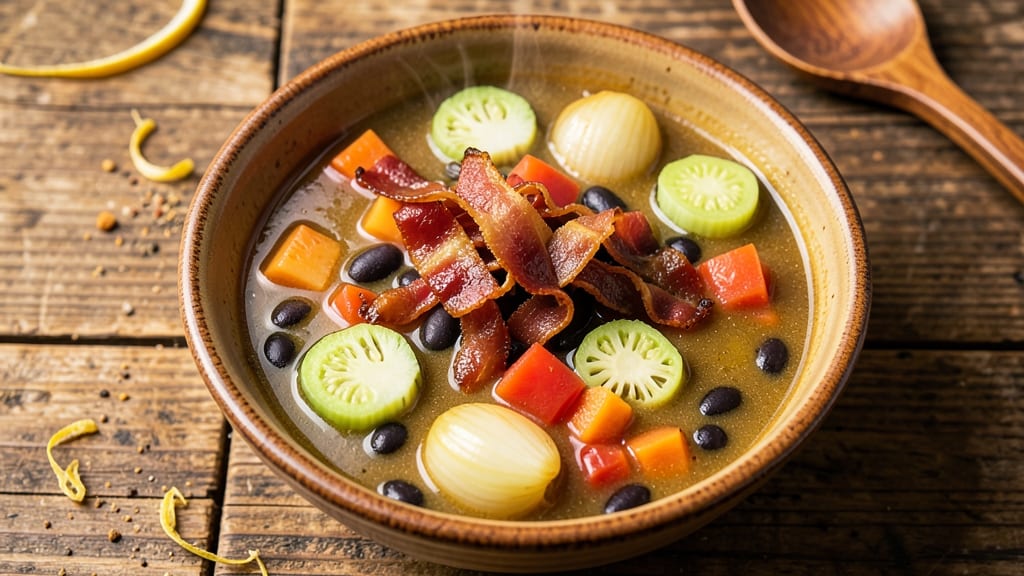
Beanland Soup Recipe brings the soul-warming essence of Southern tradition to your kitchen with its rich, slow-simmered flavors. This classic dish transforms humble ingredients like beans, celery crowns, and tender meats into a hearty symphony that's been passed down through generations.
The secret lies in the patient simmering—allowing every component to meld together until the broth becomes velvety and deeply flavorful.
What sets this Beanland Soup apart is its balance of textures and tastes: the earthy depth of beans, the crisp snap of celery crowns, and the savory richness of slow-cooked meats.
This recipe stays true to its roots while adapting seamlessly to modern kitchens, making it perfect for both cozy weeknight dinners and festive gatherings. The slow simmer not only develops complex flavors but also ensures each ingredient reaches its full potential.
By the time you're done, you'll have a steaming bowl of soup that's rich in tradition and comfort. The aroma alone will fill your home with warmth, while the first spoonful delivers a perfect harmony of savory, smoky, and slightly sweet notes.
This is the kind of meal that brings people together—whether it's a family dinner or a gathering with friends.
The beauty of Beanland Soup lies in its versatility. You can adjust the ingredients based on what you have on hand, yet the core technique remains the same: slow, steady simmering.
This recipe is a testament to how simple ingredients, when given time and care, can create something truly extraordinary. Let's get started on this timeless classic.
Ingredients for beanland soup
Humble ingredients transform into a soulful symphony of Southern tradition through slow simmering.
| Ingredient | Amount | Notes |
|---|---|---|
| Dried Navy Beans 🌾 | 2 cups | Soaked overnight for best texture |
| Celery Crowns 🧅 | 4 whole | Trimmed, leaves reserved for garnish |
| Yellow Onions 🧅 | 2 whole | Medium-sized, peeled and quartered |
| Carrots 🥕 | 4 whole | Medium, peeled and chopped |
| Smoked Bacon 🥓 | 12 oz | Cut into 1/2-inch pieces |
| Tomatoes 🍅 | 2 whole | Large, ripe, diced |
| Garlic Cloves 🧄 | 6 cloves | Minced for depth of flavor |
| Chicken Broth 💧 | 8 cups | Low-sodium preferred |
| Bay Leaves 🌿 | 2 whole | Fresh for aromatic depth |
| Thyme 🌿 | 1 tbsp | Fresh, chopped or dried |
| Black Peppercorns 🌶️ | 1 tsp | Freshly cracked for heat |
| Salt 🧂 | 1 ½ tsp | Kosher salt for seasoning |
| Olive Oil 🫒 | 2 tbsp | For sautéing bacon |
| Hot Sauce 🌶️ | 1 tbsp | Optional, for serving |
| Fresh Parsley 🌿 | ¼ cup | Chopped for garnish |
The bacon sets the stage for this soup—thick-cut, smoked bacon from the deli counter or Costco's bulk pack delivers the deepest flavor. Look for pieces with good marbling, not the lean, processed kind. Celery crowns are non-negotiable; their crisp texture and earthy notes are the heart of this dish. Trader Joe's often carries pre-trimmed crowns, saving you chopping time. For the beans, dried navy beans are traditional (soak overnight), but canned beans in a pinch work—just drain and rinse well. The carrots should be medium-sized; larger ones can be tough when simmered too long.
No smoked bacon? Thick-cut ham steak works in a bind, though it'll be slightly sweeter. Short on celery? Substitute with fennel or extra carrots for similar earthiness. The tomatoes can be fresh or canned—San Marzano cans are ideal, but any good-quality crushed tomatoes will do. Fresh thyme is best, but dried at one-third the amount gets you close. For a smokier depth without bacon, add 1/2 tsp smoked paprika to the broth. The black peppercorns should be freshly cracked; pre-ground loses its punch quickly.
This soup tastes even better the next day as flavors meld. Store in an airtight container in the fridge for up to 5 days, or freeze portions for 3 months. The bacon fat solidifies when chilled—simply reheat gently to restore its richness. For serving, keep the celery leaves and parsley separate until the last minute to preserve their freshness. Double the recipe; leftovers make perfect lunches or a quick dinner reheated with a splash of broth.
Why You'll Love This Recipe
- I’ll be real: I used to dread the overnight soak for navy beans. Then I discovered this trick—just a quick rinse and simmer in water with a pinch of baking soda. They soften perfectly while you chop the celery and onions. No waiting, no fuss.
- No-Soaking Needed: I’ll be real: I used to dread the overnight soak for navy beans. Then I discovered this trick—just a quick rinse and simmer in water with a pinch of baking soda. They soften perfectly while you chop the celery and onions. No waiting, no fuss.
- Smoky Bacon Magic: That crispy, salty bite from the smoked bacon? It’s the star. I fry it until the edges are nearly black, then toss it into the simmering veggies. The fat renders into the broth, turning every spoonful into a little flavor bomb—especially when those beans get tender and soak it all up.
- Lunchbox Hero: This soup is my weeknight lifesaver. I make a big batch on Sundays (the beans even taste better after a day of resting), then portion it into jars. Toss in a handful of greens or crusty bread on the side, and you’ve got a meal that’s ready in seconds—no reheating drama, just pure satisfaction.
Step-by-step instructions for homemade Beanland soup
Transform simple ingredients into a rich, slow-simmered symphony of beans and celery crowns.
Prepare the Vegetables and Soak the Beans
Start by trimming the celery crowns, removing any wilted outer leaves and reserving them for garnish. Cut the crowns into ½-inch thick slices. Peel and quarter the yellow onions, then peel and chop the carrots into ½-inch pieces. Dice the tomatoes into small, even cubes.
Place the 2 cups dried navy beans in a large bowl and cover them with plenty of cold water—at least 6 cups. Let them soak overnight in the refrigerator. This step ensures the beans cook evenly and thoroughly. If you forget to soak them overnight, you can soak them for at least 4 hours, but overnight is best for texture.
Cook the Bacon and Sauté the Aromatics
Heat a large Dutch oven over medium heat and add the 2 tablespoons olive oil. Once hot, add the 12 ounces of smoked bacon, cut into ½-inch pieces, and cook until crispy, about 8-10 minutes. Use a slotted spoon to remove the bacon and set it aside on paper towels to drain excess fat, leaving the rendered fat in the pot.
In the same pot, add the minced garlic cloves and cook for 30 seconds until fragrant. Add the chopped carrots, celery crowns, and quartered onions. Cook for 5 minutes, stirring occasionally, until the vegetables begin to soften slightly and release their natural juices. This step builds the foundational flavors of the soup.
Combine Ingredients and Simmer
Drain the soaked navy beans and add them to the pot along with the 8 cups chicken broth, 2 whole bay leaves, 1 tablespoon thyme, 1 teaspoon cracked black peppercorns, and 1.5 teaspoons salt. Stir well to combine, then bring the mixture to a boil over high heat.
Once boiling, reduce the heat to low and let the soup simmer for 1 to 1.5 hours. You want the beans to become tender but not mushy. Stir occasionally and add water as needed to maintain the broth level. The soup should have a rich, hearty consistency with the beans breaking down just enough to release their flavor.
Finish and Serve
After simmering, remove the bay leaves and add the reserved crispy bacon and diced tomatoes to the pot. Stir gently to combine, letting the tomatoes soften slightly in the warm broth. Taste and adjust the seasoning with additional salt or pepper if needed. If you prefer a bit of heat, stir in the 1 tablespoon hot sauce.
Ladle the soup into bowls and garnish each serving with the reserved chopped fresh parsley. Serve immediately while hot, with crusty bread on the side to soak up the rich broth. The soup should have a deep, smoky flavor from the bacon, a satisfying texture from the tender beans, and a balanced blend of vegetables.
Pro Tips For Making Beanland Soup
- CRACK THE BEANS FIRST: Soak your dried navy beans overnight—or at least 8 hours—before cooking. I learned this the hard way: skipping soak means tough, mealy beans that won’t break down, no matter how long you simmer. Use plenty of water (double the bean volume) and swap it mid-soak if yours is hard.
- CUT THE BACON SMALL: Dice that smoked bacon into ¼-inch pieces, not thick slabs. Thinner bacon renders faster and cooks evenly, so you won’t end up with greasy chunks at the bottom or undercooked edges. (Yes, it’s tedious, but trust me—your soup will taste like it.)
- SAUTÉ THE VEGETABLES HARD: Cook the onions, celery, and carrots in the bacon fat until they’re deep golden, not just softened. I used to rush this step, and the soup always tasted bland. Push it—5 minutes of aggressive stirring—so those veggies caramelize and build flavor before the beans even hit the pot.
- SALT THE BEANS LATE: Wait until the beans are almost tender to add salt. Adding it early makes the beans toughen up, and you’ll end up with a watery, flavorless mess. Taste the broth at the end—if it’s bland, add a pinch of salt and a splash of vinegar or lemon juice to brighten it up. (Your future self will notice the difference.)
Regional styles of beanland soup
Southern Comfort Roots
Beanland Soup traces its origins to the Deep South, where resourcefulness and slow cooking turned simple ingredients into soul-warming meals. This dish likely evolved from 19th-century farmhouse cooking, where beans and vegetables simmered all day in cast iron pots over open fires.
The name "Beanland" reflects its bean-centric nature, though the celery crowns give it that signature crunch and earthiness that defines Southern comfort food. 🌿
In North Carolina and Georgia, variations often include sausage or ham hocks instead of bacon, adding deeper savory notes. The slow simmering technique dates back to pre-electricity days, when long cooking times were necessary.
Many families have their own twists—some add cornbread for serving, while others finish with a splash of hot pepper vinegar for tang.
Midwest Heartland Twist
The Midwest adapted Beanland Soup by incorporating local ingredients like potatoes or kale, reflecting their hearty, vegetable-forward traditions. In Ohio and Indiana, it’s common to see smoked turkey or pork shoulder replacing bacon for a richer, meatier flavor.
The soup becomes almost a stew-like consistency, perfect for cold winters when hearty meals are a must. 🍲
One key difference is the broth base—Midwestern versions often use homemade beef broth instead of chicken, giving it a deeper, meatier taste. Some families even add caramelized onions for extra sweetness, balancing the earthy beans and smoky bacon.
Modern Urban Adaptations
Today’s chefs are reimagining Beanland Soup with global influences while keeping its soul intact.
In New York and Chicago, you’ll find versions with miso paste or fish sauce for umami depth, or even crispy shallots on top for texture. Vegan adaptations swap bacon for smoked tofu or mushrooms, and use vegetable broth instead of chicken. 🌱
For a quick weeknight version, some cooks use canned beans (drained and rinsed) and pressure cookers to cut simmering time to 30 minutes. Others experiment with spiced cumin or coriander for a Middle Eastern-inspired twist.
The beauty of this soup is its flexibility—whether you stick to tradition or innovate, the core technique of slow simmering remains the secret to success.
Appalachian Variations
In the Appalachian Mountains, Beanland Soup often includes wild game like venison or rabbit, reflecting the region’s hunting traditions.
The broth is sometimes thickened with cornmeal, giving it a porridge-like texture. Wild onions or ramps are often used instead of store-bought onions for a sharper, more aromatic flavor. 🏔️
Another hallmark of Appalachian Beanland Soup is the use of dried apples or pears in the broth, adding a subtle sweetness that contrasts with the smoky bacon.
Some families even add a splash of apple cider vinegar at the end for brightness. This version is heartier and more rustic, perfect for mountain winters.
Nutrition facts
Frequently asked questions
Why do I need to soak the beans overnight for this recipe?
Soaking the beans overnight ensures they cook evenly and become tender without becoming mushy. This step also reduces cooking time and prevents the soup from having a grainy texture. For best results, use 6 cups of water per 2 cups of dried beans, and don't skip the soaking—it's key to the traditional texture of Beanland Soup.
Can I use canned beans instead of dried for a quicker version?
Yes! For a faster version, use 4 cups of drained and rinsed canned navy beans. Just reduce the simmering time to 30-45 minutes instead of 1-1.5 hours—the beans will be pre-cooked. The flavor will be slightly different (less developed), but it's a great shortcut for busy weeknights.
What makes celery crowns essential in this recipe?
Celery crowns provide the signature crunch and earthy flavor that defines Beanland Soup. Their thick stems hold up better during long simmering than regular celery, while the leaves add aromatic depth. If you can't find crowns, use 4 large celery stalks (cut into 1-inch pieces) and add them in the last 20 minutes of cooking to preserve texture.
How can I make this soup spicier without hot sauce?
For built-in heat, add ½ teaspoon of red pepper flakes or 1-2 slices of fresh jalapeño (seeds removed for mild heat) when sautéing the aromatics. For smoky depth, increase the bacon to 14 ounces and add ½ teaspoon smoked paprika to the broth. Adjust to taste—this soup keeps well for reheating!
Can I prepare Beanland Soup in a slow cooker?
Follow the same steps until adding the beans: brown the bacon, sauté the vegetables, then transfer everything (except bacon) to your slow cooker. Add the soaked beans and broth, then cook on low for 6-7 hours or high for 3-4 hours. Stir in the bacon and tomatoes at the end. The slow cooker enhances the flavors beautifully while saving you stove time.