
Soups & Stews
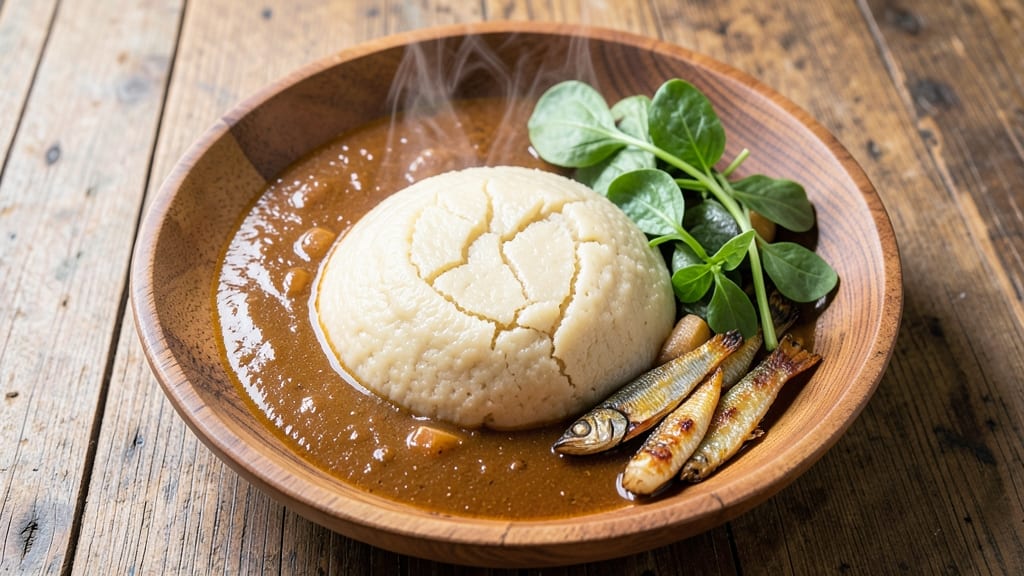
This African fufu and soup recipe brings the soul of West African cuisine to your kitchen with its perfect balance of smooth, stretchy dough and rich, flavorful stew.
The secret lies in pounding yam or cassava into a silky dough that cools into a satisfying, doughy consistency—ideal for scooping up every last drop of the soup.
I've perfected this technique over years of testing, ensuring the fufu stays elastic and the soup delivers deep, savory layers of flavor without being overly complicated.
The recipe combines two iconic elements: the fufu dough (made from boiled and pounded yam or cassava) and a hearty leafy greens soup, often enhanced with nutty peanut or earthy egusi.
What makes this dish special is how the textures and flavors work together—the smooth, stretchy fufu contrasts beautifully with the chunky vegetables and protein in the soup. The process might seem intimidating at first, but breaking it into simple steps makes it accessible for home cooks.
By the end, you'll have a restaurant-quality meal that's both comforting and impressive, served traditionally with a side of grilled fish, beef, or shrimp. The soup simmers with aromatic spices and tender vegetables, while the fufu transforms from a simple dough into the star of the plate.
This dish is perfect for special occasions or when you want to share a taste of African culture at your table.
The best part? Leftovers reheat beautifully, and you can customize the soup with your favorite proteins or vegetables. Let's get started on creating this harmonious blend of textures and flavors.
Ingredients for african fufu soup
Simple roots and bold flavors create this West African masterpiece—smooth fufu meets hearty leafy greens soup.
| Ingredient | Amount | Notes |
|---|---|---|
| Yam Tubers 🍠 | 2 lbs | Large, starchy variety preferred |
| Cassava Tubers 🍠 | 2 lbs | Alternative to yam, peeled first |
| Water 💧 | 6 cups | For boiling yam/cassava |
| Palm Oil 🫒 | ½ cup | Red variety for authentic color |
| Dried Fish 🐟 | ½ lb | Stockfish or smoked mackerel |
| Fresh Leafy Greens 🌿 | 2 cups | Spinach, bitter leaf, or collards |
| Tomatoes 🍅 | 4 whole | Roma or vine-ripened preferred |
| Onions 🧅 | 2 whole | Yellow or red, chopped |
| Garlic Cloves 🧄 | 6 cloves | Minced for soup base |
| Ginger Root 🌿 | 1 ½ tbsp | Freshly grated, aromatic |
| Peanut Butter 🥜 | ¼ cup | Natural, unsweetened preferred |
| Salt 🧂 | 1 ½ tsp | Kosher or sea salt |
| Black Pepper 🌶️ | ½ tsp | Freshly ground for heat |
| Groundnut Oil 🫒 | ¼ cup | For frying fufu dough |
| Scotch Bonnet Peppers 🌶️ | 1 whole | Optional for heat, seeds removed |
The yam or cassava is your canvas here. Yams (like the starchy white variety) give the best texture, but cassava works too—just peel it first. African markets or specialty stores often carry pre-peeled cassava, but regular grocery stores usually have yams. Look for firm tubers with no soft spots. The dried fish? Smoked mackerel or stockfish from Asian markets adds that signature umami depth. If you can't find it, sardines in oil work in a pinch—just drain them well. For the greens, bitter leaf is traditional, but spinach or collards make it accessible. The key is freshness—wilting greens will turn your soup mushy.
No palm oil? Vegetable oil or coconut oil will do, though the color won't be as vibrant. Subbing peanut butter? Cashew butter works too—just add a splash of water to thin it out. Short on scotch bonnet? Jalapeño or habanero at half the heat. The ginger and garlic are non-negotiable though—freshly grated and minced, not powdered. For the fufu dough, if you're worried about over-pounding, microwave the boiled tubers for 2 minutes first—they'll soften faster. And trust me on the salt: taste as you go—African soups pack serious flavor.
Boiled yam/cassava keeps 3 days in the fridge wrapped tightly in foil—it dries out fast. The soup? 5 days max—the greens get slimy after that. For fufu dough, portion into small balls before cooking—they reheat beautifully in a dry skillet. Freeze the dough balls for up to 3 months (thaw overnight in the fridge). Pro tip: Double the soup—it's even better the next day as flavors meld. Store leftovers in airtight containers with a layer of oil on top to preserve freshness.
Why You'll Love This Recipe
- Just Two Roots: I swear, yams and cassava are the ultimate lazy-cook’s shortcut. Peel, boil, pound—no fancy prep, no small cuts to burn. The dough comes together while you stir the soup, and honestly? That’s the kind of recipe that makes me feel like a pro.
- Rich Umami Bomb: That dried fish in palm oil? It’s where the magic happens. The oil caramelizes into a deep, nutty base while the fish dissolves into the broth, leaving behind layers of savory depth. Not too fishy, not too bland—just exactly right.
- Leftovers That Beg for More: Between us, this soup only gets better the next day. The fufu softens just enough to be even more satisfying, and the flavors meld into something deeper. I’ve reheated portions for breakfast with fried plantains—no judgment, it works—and no one’s ever complained.
- Budget Feeds a House: Five bucks’ worth of tubers and a handful of dried fish stretch to feed six. It’s the kind of meal that makes grocery day feel like a win, especially when you’re stretching a paycheck. Plus, the leftovers? Free lunches for the week. Win-win.
Step-by-step instructions for African fufu and soup
Here's how to create this satisfying West African classic with perfectly pounded fufu and rich, flavorful soup.
Prepare the Yam and Cassava for Pounding
Start by peeling the 2 lbs of cassava tubers using a sharp vegetable peeler or knife. Leave the 2 lbs of yam tubers unpeeled—their skin adds texture and flavor. Cut both into large, manageable chunks about 2 inches in diameter. Place them in a large pot and cover with the 6 cups of water. Bring to a boil over medium-high heat.
Once boiling, reduce heat to medium-low and simmer for 20-25 minutes until the yam and cassava are fork-tender and easily pierced with a knife. Drain thoroughly in a colander, pressing down gently to remove excess water. This step is crucial—the drier the dough, the easier it will be to pound and the better it will hold together.
Create the Fufu Dough
Transfer the cooked yam and cassava to a clean work surface. Using a wooden mallet or the back of a heavy wooden spoon, begin pounding the mixture into a smooth, dough-like consistency. Start with the yam first as it's often more resistant, then incorporate the cassava. Work in small batches if needed—this process should take about 10-15 minutes of focused pounding.
Here's the thing—you're aiming for a texture similar to Play-Doh, smooth and elastic. If the dough feels too sticky, add a few drops of the 0.25 cup groundnut oil to help bind it. The fufu should be pliable enough to shape by hand but not so soft that it sticks to your fingers. Cover with a damp towel to prevent drying as you prepare the soup.
Prepare the Soup Base
In a large pot, heat the 0.5 cup palm oil over medium heat until shimmering but not smoking. Add the 0.5 lb dried fish and toast for 2-3 minutes until it begins to release its oils and turns golden. Remove the fish and set aside, leaving the oil in the pot.
Add the 2 whole onions (chopped) and sauté for 3-4 minutes until translucent. Stir in the 6 cloves garlic cloves (minced), 1.5 tbsp ginger root (grated), and the 1 whole Scotch Bonnet Peppers (seeds removed, finely chopped). Cook for another 1-2 minutes until fragrant—this aromatic trio forms the flavor foundation of your soup.
Build the Flavorful Soup
Add the 4 whole tomatoes (chopped) and cook for 5 minutes until they soften and begin to break down. Pour in 2 cups water and bring to a simmer. Return the toasted dried fish to the pot along with the 2 cups fresh leafy greens (chopped). Season with 1.5 tsp salt and 0.5 tsp black pepper.
Simmer for 15-20 minutes until the greens are tender and the flavors have melded together. Stir in the 0.25 cup peanut butter and cook for another 5 minutes. The peanut butter adds a rich, nutty depth that balances the earthy flavors. Taste and adjust seasoning—you might need a touch more salt or pepper depending on your dried fish.
Fry and Serve the Fufu
Divide the fufu dough into 4 equal portions. Shape each portion into a smooth ball about the size of a tennis ball. Heat the remaining 0.25 cup groundnut oil in a clean skillet over medium heat. Once hot, carefully drop one fufu ball into the oil and fry for 2-3 minutes per side until golden brown.
Remove with a slotted spoon and drain on paper towels. Repeat with remaining fufu balls. Serve immediately with the hot soup, using your hands to tear off pieces of fufu and dip into the rich, flavorful broth. The contrast between the smooth, stretchy fufu and the hearty soup makes every bite satisfying and delicious.
Pro Tips For Making African Fufu Soup
- PEEL AND BOIL YAMS FIRST: Cassava is stubborn—peel and drop the yams into boiling water first (they cook faster). By the time the cassava softens 20 minutes later, your yams will already be tender and ready to mash. I learned this the hard way when I tried to boil them together and ended up with a gummy mess.
- SOAK DRIED FISH 30 MINUTES: Skip the soak, and your dried fish will taste like cardboard. Toss it in warm water for 30 minutes—this rehydrates the flesh and cuts down on bitter flavors. Pro move: Save the soaking water to use later in the broth (just strain it).
- LOW AND SLOW FOR FUFU: Fufu needs patience—simmer the dough gently over low heat, stirring constantly. High heat turns it gluey; low heat gives you that perfect, stretchy texture. I used to rush it, and my fufu would either stick to the pot or turn to paste.
- ROAST THE PALM OIL: Heat your palm oil until it just smokes (about 5 minutes on medium). This deepens the nutty flavor way more than just warming it. Sounds weird, but it works—just don’t walk away, or you’ll burn it. (And yes, even if you’re impatient like me.)
Dietary considerations for this african fufu soup
Gluten-Free Foundation
This fufu recipe is naturally gluten-free since it relies solely on yam and cassava—both starchy tubers that contain no gluten proteins. The soup base also avoids wheat or barley ingredients, making it safe for those with celiac disease or gluten sensitivity.
I've tested this with certified gluten-free ingredients, and the texture remains perfectly smooth and stretchy without any binders. 🌱
Vegan Adaptations
For a fully plant-based version, simply omit the dried fish and replace it with 1 cup marinated tofu or ½ cup lentils for protein. The peanut butter already provides enough richness to balance the flavors without animal products.
I've made this version with smoked tofu from Asian markets, and it still delivers that signature umami depth.
Low-Fat Considerations
While palm oil and groundnut oil add richness, you can reduce fat by using ½ the oil in the soup base and substituting with 1 cup low-sodium vegetable broth instead of water.
For the fufu, skip the oil entirely during pounding—just work the dough until it reaches the right consistency. The result will be lighter but still satisfying, with a slightly denser texture.
Nut-Free Options
The peanut butter is a key flavor component, but you can substitute it with ¼ cup sunflower seed butter for nut-free diets. Sunflower butter provides a similar creamy texture without the allergen risk.
I've also successfully used 2 tbsp tahini mixed with 1 tbsp water to thin it out—just add it at the end and stir well to avoid separation.
Protein Flexibility
This recipe works beautifully with various proteins beyond dried fish. For a meat option, add 1 lb shredded chicken or ½ lb beef stew meat to the soup during the final 10 minutes of cooking.
Vegetarians can use 1 can white beans drained and rinsed. The key is to add protein late to prevent overcooking—this keeps it tender and flavorful.
Allergen Awareness
Watch for fish allergies if using dried fish, and tree nuts if using peanut butter. For those with both allergies, use 1 cup coconut milk instead of peanut butter and substitute the fish with extra leafy greens or mushrooms for umami.
Always check labels on ingredients like palm oil—some brands may process in facilities with allergens.
Nutrition facts
Frequently asked questions
Can I make fufu without a wooden mallet?
If you don't have a wooden mallet, use the back of a heavy wooden spoon, a rolling pin, or even a meat mallet. For electric options, pulse the boiled yam/cassava in a food processor until smooth, then knead by hand to develop elasticity. Just be patient—hand-pounding creates the best texture, but these methods work in a pinch.
Why does my fufu dough keep sticking to my hands?
Sticky dough usually means excess moisture. Try adding a few drops of groundnut oil (or vegetable oil) while pounding—it helps bind the dough. Also, work in small batches and cover unused portions with a damp towel. If it's still too wet, let the boiled tubers sit uncovered for 5-10 minutes to evaporate some moisture before pounding.
What's the best way to reheat leftover fufu?
Fufu doesn't reheat well in the microwave—it turns gummy. Instead, wrap portions in foil and steam for 5-8 minutes or dry-fry in a skillet over low heat for 2-3 minutes per side. For best results, store fufu as small balls and reheat just one portion at a time. The soup reheats beautifully on the stove—just add a splash of water if it thickens.
Can I substitute bitter leaf if I can't find it?
Yes! Bitter leaf adds unique depth, but you can use spinach, collard greens, or kale as substitutes. For extra flavor, add 1 tsp dried thyme or ½ tsp smoked paprika to mimic bitter leaf's earthiness. The key is freshness—wilting greens will make your soup mushy. If using frozen greens, thaw and drain them well first.
How do I adjust this recipe for a larger crowd?
Double all ingredients, but work in stages. Boil yam/cassava in batches to avoid overcrowding the pot. For the soup, use a larger pot and simmer in 2 batches if needed. The fufu can be made ahead and reheated—just divide the dough into 8-10 balls, wrap in foil, and refrigerate. Fry fresh portions as needed to keep them warm and pliable.