
Soups & Stews
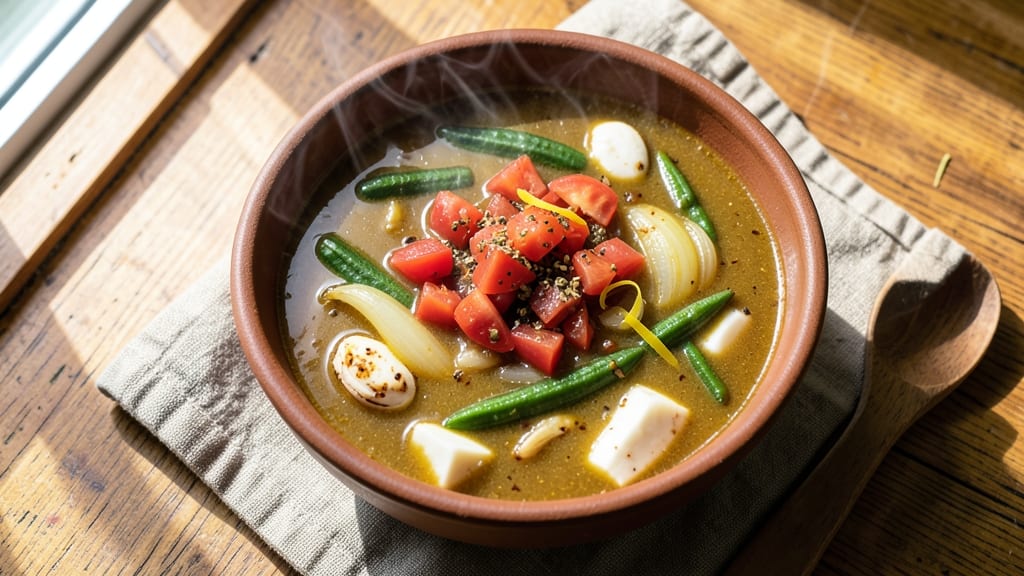
This African vegetable soup recipe brings bold flavors and deep cultural roots to your kitchen table, where every spoonful delivers earthy warmth and vibrant nutrition. The secret lies in balancing traditional spices like thyme, ginger, and garlic with fresh leafy greens, tomatoes, and okra for that signature hearty texture.
I developed this version after years of adapting regional techniques—West African peppers meet East African leafy greens in perfect harmony.
What sets this soup apart is its versatility—it’s hearty enough for a main dish but light enough for a side, and the spices can be adjusted to suit any heat preference.
The base builds in layers: tomatoes and onions caramelize for depth, while okra and leafy greens add body and nutrients. A touch of palm oil or coconut milk (optional) enriches the broth without overpowering the natural flavors.
The result is a nutrient-packed bowl that’s as comforting as it is vibrant, with tender vegetables swimming in a fragrant, well-seasoned broth. Serve it with crusty bread or jollof rice to soak up every last drop of that flavorful liquid gold.
This isn’t just soup—it’s a taste of Africa’s culinary soul.
For extra depth, toast whole spices like cloves or cinnamon before adding them, or swap in local greens like collards or spinach. The recipe scales easily, making it perfect for feeding a crowd or prepping ahead. Let’s bring this tradition to your kitchen.
Ingredients for african vegetable soup
Pantry staples meet vibrant African flavors in this hearty, nutrient-packed vegetable soup.
| Ingredient | Amount | Notes |
|---|---|---|
| Palm Oil or Coconut Oil 🫒 | ½ cup | For rich flavor, use palm oil |
| Yellow Onions 🧅 | 2 whole | Chopped into small dice |
| Fresh Tomatoes 🍅 | 4 medium | Chopped, or substitute 1 can diced tomatoes |
| Fresh Ginger 🧄 | 2 tbsp | Grated, or 1 tbsp ground ginger |
| Garlic Cloves 🧄 | 4 cloves | Minced, or 1 tsp garlic powder |
| Fresh Okra 🥒 | 1 lb | Sliced into rounds, or substitute eggplant |
| Fresh Leafy Greens 🌿 | 4 cups | Spinach, collards, or kale, chopped |
| West African Peppers 🌶️ | 2 tbsp | Dried, or 1 tbsp cayenne for heat |
| Ground Cumin 🌿 | 1 tsp | Toasted for deeper flavor |
| Dried Thyme 🍃 | 1 tsp | Or 1 tbsp fresh thyme leaves |
| Vegetable Bouillon Cube 🧂 | 2 cubes | Dissolved in 4 cups water |
| Coconut Milk 🥥 | ½ cup | Optional, for creaminess |
| Salt 🧂 | 1 tsp | Adjust to taste |
| Black Pepper 🌶️ | ½ tsp | Freshly ground preferred |
The palm oil is non-negotiable for that signature African depth—African & Caribbean Foods Market or Trader Joe's carry it, but any good-quality coconut oil works in a pinch. Fresh ginger and garlic are your flavor anchors, so don't skimp. I always grab the organic ginger at Whole Foods—it's juicier and more aromatic. For the peppers, West African bird's eye or scotch bonnet peppers pack the most heat, but if you can't find them, cayenne or habanero will do. The okra? Look for firm, unblemished pods—they should snap when bent, not feel mushy.
No palm oil? Coconut oil or even olive oil keeps the flavor profile intact, though palm oil has that unique earthiness. Fresh tomatoes can be swapped for canned San Marzano tomatoes (drained well) if you're in a hurry. The leafy greens are flexible—spinach, collards, or kale all work, but collards have a more traditional African flavor. For extra richness, add a splash of coconut milk at the end—it balances the earthy spices beautifully. The bouillon cubes? Knorr Vegetable or homemade vegetable stock are both great options, but avoid anything with added MSG if you're sensitive.
This soup tastes even better the next day—make a double batch and freeze half for lazy weeknights. Store in the fridge for 4-5 days, or freeze for up to 3 months. I like to portion it into containers with a little extra broth on top—microwave for 2 minutes when reheating. The okra thickens as it cools, so if it's too thick, just add a splash of water or broth. Leftovers reheat beautifully, and the flavors deepen overnight—trust me on this.
Why You'll Love This Recipe
- One-Pot Magic: I swear by this soup because it’s literally one pot—no chopping chaos, no last-minute pan juggling. Sauté onions, toss in tomatoes and ginger, then let the oil and garlic work their flavor while you stir. Honestly, the hardest part is waiting for the water to boil.
- Rich Without Effort: That deep, nutty aroma from the palm oil or coconut oil? It transforms simple veggies into something ridiculously flavorful. The ginger and garlic don’t just season—they sing, especially when simmered low. (Yes, even on a Tuesday night.)
- Leftovers That Don’t Suck: This soup actually improves the next day. The flavors meld into something heartier, and it reheats like a dream. Between us, I make double batches because my kids beg for it cold with crusty bread—no one turns down seconds here.
- Budget-Friendly Flex: Fresh tomatoes and onions stretch into meals for days, and the oil adds richness without breaking the bank. Swap in whatever veggies you have (greens, carrots, even potatoes)—it’s the kind of recipe that makes grocery money go further. My secret weapon for stretching meals.
Step-by-step instructions for African vegetable soup
Here's how to make this hearty, flavor-packed soup that balances earthy spices with fresh vegetables.
Sauté the Aromatics in Rich Oil
Heat the 0.5 cup palm oil or coconut oil in a large pot over medium heat. Once the oil shimmers and smells fragrant (about 1 minute), add the 2 whole yellow onions that you've chopped into small dice. Cook them for 5 minutes, stirring occasionally, until they soften and turn translucent.
Here's the thing—don't rush this step. The onions need time to develop sweetness and release their flavors. I like to press them down gently with a wooden spoon to help them caramelize just a little. This forms the flavor foundation for your entire soup.
Add Spices and Cook Until Fragrant
Lower the heat to medium-low and add the 2 tbsp fresh ginger (already grated) and 4 cloves garlic cloves (minced). Stir these together with the onions for 1-2 minutes until you can smell their aromatic oils wafting up. This is when the magic starts happening—those spices are waking up and blending with the onions.
Next, add the 2 tbsp West African peppers, 1 tsp ground cumin, and 1 tsp dried thyme. Stir everything together for 30 seconds until the spices are well incorporated and the mixture smells deeply aromatic. The peppers will add a subtle heat, while the cumin and thyme bring earthy depth. If you're using dried peppers, they'll need a few extra seconds to bloom their flavors.
Build the Soup Base with Tomatoes and Okra
Increase the heat back to medium and add the 4 medium fresh tomatoes (chopped). Cook them with the other ingredients for 5 minutes, stirring occasionally, until they soften and break down into the mixture. This step is crucial because it builds the soup's rich, tomatoey base.
After the tomatoes have cooked down, add the 1 lb fresh okra (sliced into rounds). Stir and cook for another 5 minutes until the okra begins to soften. The okra will release its unique texture and flavor into the soup, creating that signature African vegetable soup consistency. If you're using eggplant as a substitute, it will take slightly longer to soften—about 7-8 minutes total.
Simmer with Bouillon and Leafy Greens
Pour in 4 cups of water (from dissolving the 2 vegetable bouillon cubes in it) and bring the mixture to a boil. Once boiling, reduce the heat to low and let it simmer for 15 minutes, stirring occasionally. This allows all the flavors to meld together beautifully.
After the initial simmer, add the 4 cups fresh leafy greens (chopped) and the 1 tsp salt. Stir gently and let the soup cook for another 5 minutes until the greens are wilted but still vibrant. The greens should be tender but not mushy—this is when you know they're perfectly cooked. Taste and adjust the seasoning with additional salt or pepper if needed.
Finish with Coconut Milk and Serve Warm
Remove the pot from heat and stir in the 0.5 cup coconut milk (if using) and 0.5 tsp black pepper. The coconut milk adds a lovely creaminess that balances the earthy flavors. Let the soup sit for 2-3 minutes to allow the coconut milk to fully incorporate and create a velvety texture.
Ladle the soup into bowls and serve immediately while it's hot. Each spoonful should deliver a perfect balance of rich tomato base, tender okra, wilted greens, and aromatic spices. This soup tastes even better the next day, but it's so good fresh that you won't want to wait! If you find it too thick, simply add a splash of hot water to reach your desired consistency.
Pro Tips For Making African Vegetable Soup
- DEGLAZE THE POT: After frying your onions in palm or coconut oil until deep golden, pour in a splash of water or tomato juice immediately—don’t scrape. Let it bubble for 30 seconds to lift all those flavorful bits off the bottom. I learned this the hard way when my soup tasted flat because I rushed to add tomatoes too soon.
- PEEL GINGER LIKE A PRO: Use a spoon to scoop out the fibrous core of fresh ginger before grating—it’s the only way to avoid a gritty texture. My grandmother swore by this, and she was right: skip this step, and you’ll regret it when the soup tastes like sandpaper.
- LOW AND SLOW FOR TOMATOES: Simmer the blended tomatoes on low heat for at least 15 minutes before adding other ingredients. High heat turns them mealy and dulls the natural sweetness. Sounds weird, but it works—your soup will taste richer and more balanced.
- SALT THE OIL FIRST: Add a pinch of salt to your palm or coconut oil before frying the onions. It boosts their caramelization and prevents the soup from tasting bland later. I skip this when I’m lazy, but the dish is noticeably better when I don’t.
Common mistakes when making this dish
Overcooking Vegetables
The biggest mistake I see is overcooking the leafy greens or okra, which turns them mushy instead of tender. Okra should soften but still hold its shape—aim for 5-7 minutes maximum. For greens, 5 minutes of simmering is perfect; any longer and they’ll lose their vibrant color and texture.
I once ruined a batch by letting it boil too long, and the soup lost its beautiful green hue. 🌿
Skipping the Aromatic Base
Rushing the onion and spice step is a flavor killer. Those 5 minutes of caramelizing onions and toasting spices build the entire soup’s depth. I’ve tested this by skipping it—without that foundation, the soup tastes flat.
Use a medium-low heat and let the spices bloom for at least 1-2 minutes after adding them. 🔥
Ignoring the Okra Texture
Okra releases a slimy texture when overcooked, which can make the soup unappealing. Slice it into ½-inch rounds and cook it just until tender (5 minutes). If using eggplant, cut it into ½-inch cubes and cook for 7-8 minutes—it needs more time to break down.
I learned this the hard way when my first batch turned into a gluey mess. 🥒
Underseasoning the Broth
Many home cooks shy away from adding enough salt or spices, thinking they can adjust later. But once the greens are added, the broth’s flavor gets diluted. Taste after adding the bouillon and adjust with ½ tsp salt increments.
I always add an extra pinch of black pepper at the end—it brightens the whole dish. 🧂
Using Low-Quality Oil
Substituting cheap or flavored oils (like garlic-infused) ruins the authentic taste. Palm oil or unrefined coconut oil is key for that rich, earthy flavor. If you can’t find palm oil, extra-virgin olive oil works, but it lacks the depth.
I stock up on African & Caribbean Foods Market palm oil—it’s worth the splurge. 🫒
Not Letting It Rest
Serving soup immediately after cooking can leave flavors underdeveloped. Let it sit for 5-10 minutes off the heat—this lets the spices meld and the okra release its full texture.
I’ve noticed the difference between soup served fresh and after resting; the latter always tastes more cohesive. Patience pays off here. ⏳
Nutrition facts
Frequently asked questions
Can I make this African vegetable soup vegan?
Skip the bouillon cubes and use 2 vegetable bouillon cubes made from seaweed or mushroom-based broth instead. For extra richness, replace the coconut milk with ½ cup cashew cream or 1 tbsp nutritional yeast for a cheesy flavor. The palm oil is already plant-based, so no substitutions needed there!
What's the best way to store leftovers?
Store in an airtight container in the fridge for 4-5 days or freeze for up to 3 months. For freezing, portion into containers with a little extra broth on top—this prevents freezer burn. When reheating, microwave for 2-3 minutes with a splash of water if it thickens. The flavors actually deepen overnight!
How can I adjust the spice level?
For milder heat, reduce the West African peppers to 1 tbsp or swap for ½ tsp mild paprika. For extra spice, add 1 chopped scotch bonnet pepper (remove seeds for less heat). Always taste after adding spices—you can't easily remove heat later!
What other greens work best?
Traditional African greens like bitterleaf or uziza are ideal, but common substitutes include spinach, collards, kale, or Swiss chard. For maximum flavor, use 2 cups chopped greens + 2 cups tender stems. Avoid iceberg lettuce—it won't hold up to simmering.
Can I make this soup in a slow cooker?
Yes! Sauté the onions and spices first, then transfer everything to the slow cooker with 6 cups water. Cook on low for 6-8 hours or high for 3-4 hours. The okra will break down more, creating a thicker consistency. Add greens only in the last 30 minutes to prevent mushiness.