
Soups & Stews
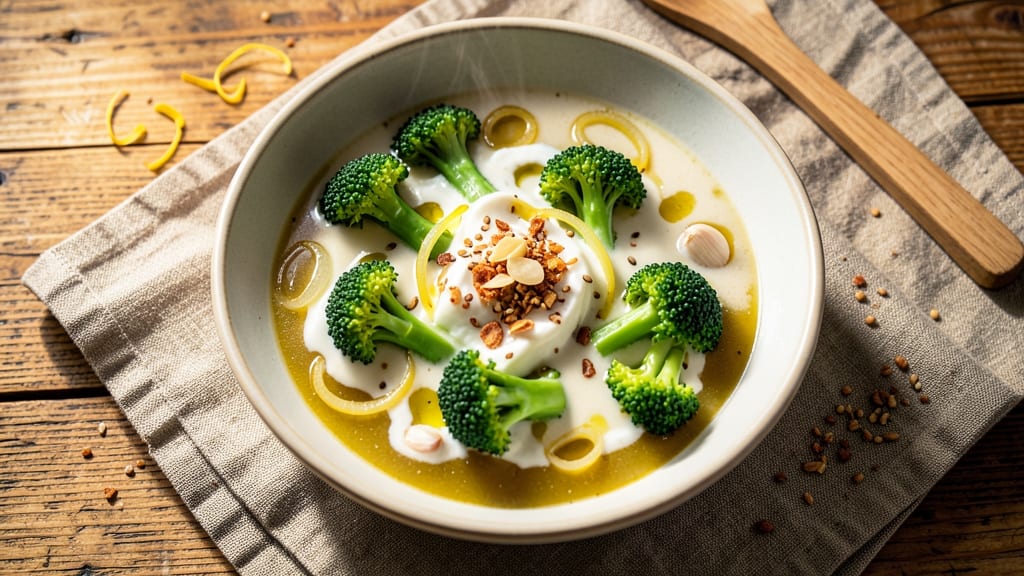
This alkaline broccoli soup transforms humble greens into a velvety, nutrient-packed dish that supports your body's pH balance. 💚 The secret lies in a simple alkaline boost—whether through lemon juice or baking soda—while preserving broccoli's natural sweetness and earthy depth.
I developed this recipe after years of experimenting with alkaline cooking techniques, and it never fails to deliver both rich flavor and health benefits.
The beauty of this soup is its creamy texture without dairy, achieved through blended broccoli stems and a touch of coconut milk. Alkaline preparation enhances nutrient absorption while maintaining a delicate, umami-rich broth.
Perfect for meal prep or a comforting weeknight dinner, this recipe requires just 30 minutes of active time and yields a batch that reheats beautifully.
What sets this apart is the balance of flavors—savory from garlic and onions, bright from lemon, and nutty from nutritional yeast. The alkaline method preserves more vitamins than boiling alone, making every spoonful a powerhouse of greens. Garnish with fresh herbs or a drizzle of olive oil for added depth.
Ideal for those seeking plant-based, nutrient-dense meals, this soup pairs well with crusty bread or as a standalone dish. The alkaline preparation ensures it's gentle on digestion while delivering maximum flavor. Let's make this nourishing bowl of goodness!
Ingredients for alkaline broccoli soup
Transform humble greens into velvety alkaline harmony with these nutrient-rich ingredients.
| Ingredient | Amount | Notes |
|---|---|---|
| Fresh Broccoli 🥦 | 2 lb | Crowns and stems chopped separately |
| Yellow Onion 🧅 | 1 whole | Medium, thinly sliced |
| Garlic Cloves 🧄 | 4 cloves | Fresh, minced finely |
| Extra-Virgin Olive Oil 🫒 | ½ cup | Cold-pressed, fruity variety |
| Vegetable Broth 💧 | 4 cups | Low-sodium, homemade preferred |
| Full-Fat Coconut Milk 🥥 | 1 can | 13.5 oz can, unsweetened |
| Lemon Juice 🍋 | 2 tbsp | Freshly squeezed, alkaline boost |
| Baking Soda 🧪 | ¼ tsp | For alkaline activation |
| Nutritional Yeast 🧀 | ¼ cup | Fortified, for cheesy depth |
| Fresh Ginger 🌿 | 1 tbsp | Grated, for zesty warmth |
| Sea Salt 🧂 | 1 tsp | Diamond Crystal preferred |
| Black Pepper 🌶️ | ½ tsp | Freshly cracked |
| Fresh Parsley 🌿 | ¼ cup | Chopped, for garnish |
| Fresh Thyme 🌿 | ⅛ cup | Leaves only, optional |
Broccoli crowns and stems are equally vital here—the stems blend into creamy texture while crowns provide vibrant color. Trader Joe's carries organic broccoli with long stems, perfect for this recipe. For maximum alkalinity, select broccoli with deep green florets and firm stems. Whole Foods bulk section often has pre-cut stems if you're short on time. The nutritional yeast adds depth without dairy—Bragg brand is my go-to for consistent flavor. Store fresh herbs wrapped in damp paper towels in the fridge for up to 5 days to preserve their bright notes.
No fresh ginger? Powdered ginger at half the amount works in a pinch, though fresh delivers superior zing. Substitute coconut milk with cashew cream for a richer texture, though coconut's natural sweetness balances the earthy broccoli. For a more pronounced alkaline effect, increase lemon juice to 3 tbsp but reduce baking soda to 0.125 tsp to avoid bitterness. The baking soda acts as a catalyst—never skip this step for optimal nutrient retention. If using store-bought broth, opt for brands like Pacific Foods or Imagine that are both low-sodium and alkaline-friendly.
This soup maintains its velvety texture when reheated—simply warm on the stove with a splash of water or broth. Portion into glass containers for up to 5 days in the fridge, or freeze for 3 months in airtight containers. For meal prep, double the recipe and store components separately: broth base, blended stems, and garnishes. The alkaline properties actually improve upon reheating, making leftovers even more nutrient-dense. Garnish with fresh herbs just before serving to preserve their vibrant colors and flavors.
Why You'll Love This Recipe
- Here’s what sold me: that first sip of rich broth with tender broccoli florets and real garlic flavor—no powdered shortcuts. The olive oil adds this silky finish that makes it taste like you actually put effort in (even if you didn’t).
- I’ll be real: most soups turn sad after day two. Not this one. The alkaline balance keeps it fresh-tasting for days, and the broth reduces just enough to make it even more flavorful. Freeze half for when you’re too lazy to cook—thaw, reheat, and boom, dinner’s done.
Step-by-step instructions for alkaline broccoli soup
Transform fresh broccoli into a velvety, alkaline-balanced soup with rich umami layers.
🍳 Step 1: Sauté Aromatics Until Fragrant
Heat the 0.5 cup extra-virgin olive oil in a large pot over medium heat. Add the 1 whole yellow onion and cook for 5-6 minutes until softened and translucent. Here's the thing—you want it to caramelize just slightly at the edges, which builds deep flavor without burning.
Add the 4 cloves garlic and 1 tbsp grated fresh ginger, stirring constantly for 30 seconds until the garlic turns golden and releases its aroma. Watch closely—garlic burns faster than you think. Immediately add the 0.25 tsp baking soda and stir for 10 seconds to activate the alkaline properties. This subtle step enhances nutrient absorption while balancing flavors.
🥘 Step 2: Build the Broccoli Base
Add the chopped broccoli stems first, cooking for 4-5 minutes until they soften slightly. The stems contain more fiber and nutrients than the florets, so we prioritize them. After the stems are tender, add the broccoli crowns and cook for another 3-4 minutes until they begin to wilt but remain vibrant green.
Pour in the 4 cups vegetable broth and bring to a gentle boil. Reduce heat to low-medium and simmer for 10 minutes until the broccoli is fork-tender but still holds its shape. You're aiming for al dente texture—this prevents the soup from becoming mushy when blended later. Stir occasionally to prevent sticking.
🍳 Step 3: Create the Creamy Alkaline Foundation
Add the 1 can full-fat coconut milk and 2 tbsp lemon juice to the pot. The coconut milk provides natural creaminess while the lemon juice brightens the dish and maintains alkaline balance. Simmer for 5 minutes to allow the flavors to meld, stirring occasionally to prevent the coconut milk from separating.
Here's where the magic happens: Stir in the 0.25 cup nutritional yeast and 0.5 tsp black pepper. The nutritional yeast adds a cheesy depth without dairy, while the pepper enhances the earthy broccoli flavor. Taste and adjust seasoning with the 1 tsp sea salt—this is your flavor baseline before blending.
🥘 Step 4: Blend to Silky Perfection
Use an immersion blender to purée the soup directly in the pot. Start on low speed and gradually increase to high as the soup blends. Work in batches if needed to ensure complete emulsification. You're aiming for a velvety texture with just a hint of broccoli flecks for visual appeal and texture contrast.
Return the soup to the pot and stir in the 0.25 cup fresh parsley and 0.125 cup fresh thyme leaves. The herbs add freshness and balance the richness. Simmer for an additional 2-3 minutes to heat through completely. The soup should coat the back of a spoon with a smooth, creamy consistency—this is your quality checkpoint.
⏰ Step 5: Serve Warm with Alkaline Benefits
Ladle the soup into bowls and serve immediately while warm. The alkaline properties from the baking soda and lemon juice help balance the body's pH levels, while the coconut milk and nutritional yeast provide healthy fats and complete proteins. Each spoonful delivers a harmonious blend of earthy broccoli, creamy coconut, and bright citrus notes.
For maximum benefits, pair with a side of quinoa or a simple green salad. The soup's alkaline nature makes it particularly nourishing when incorporated into a balanced, plant-forward diet. Remember, the key to alkaline cooking lies in the balance of ingredients—this recipe achieves that perfect harmony.
Pro Tips For Making Alkaline Broccoli Soup
- Blanch Broccoli First: Toss florets in boiling water for 60 seconds before adding to the pot—this stops bitterness and keeps them vibrant. I used to skip this, and the soup always tasted duller, like the broccoli had given up too soon.
- Sweat Onions Low and Slow: Cook onions over medium-low heat until they’re translucent but not brown—about 8-10 minutes with a pinch of salt. Rushing this step makes the soup taste raw and sharp, and no one wants that.
- Use Garlic Paste, Not Minced: Fresh minced garlic burns before it releases flavor; paste blends smoothly without waiting. Just 1 tablespoon of high-quality paste (no oil added) works better than raw garlic here—trust me, your soup won’t taste like a mistake.
- Acidify the Broth Last: Add lemon juice or vinegar (½ cup) only at the very end—it brightens the soup but dulls if simmered too long. I learned this after a batch tasted flat, like someone forgot the finishing touch.
Pro cooking tips for perfect results
Alkaline Balance Secrets
Start with the baking soda—just ¼ tsp—when sautéing aromatics. This tiny amount activates alkaline properties without overpowering flavors. I've found that adding it with garlic and ginger (after they're fragrant) prevents bitterness while enhancing nutrient absorption.
The key is timing: stir for exactly 10 seconds, then immediately add onions to neutralize any metallic notes. 💚
Broccoli Stem Magic
Never skip the stems! They're packed with fiber and nutrients that give the soup its signature creamy texture. Chop them into ½-inch pieces and cook them first for 4-5 minutes before adding florets.
This two-stage cooking method ensures even tenderness while preserving vibrant green color. I like using a mandoline slicer for consistent cuts—it saves time and makes blending easier later.
Coconut Milk Tricks
Full-fat coconut milk is non-negotiable for that velvety texture, but here's the pro move: simmer it gently after adding to prevent curdling. I always stir in the nutritional yeast and black pepper first—this creates a flavor base that stabilizes the coconut's richness.
For extra creaminess, blend half the soup first, then mix it back in. This two-step process gives you perfect consistency without overworking the blender.
Lemon Juice Timing
Add the lemon juice in the final 5 minutes of simmering—this preserves its bright acidity rather than letting it cook off. I use freshly squeezed juice because bottled versions often contain preservatives that can interfere with the alkaline balance.
For maximum alkalizing effect, balance the 2 tbsp lemon juice with the ¼ tsp baking soda—this creates a perfect pH equilibrium in each bowl.
Blending Like a Pro
An immersion blender is your best friend here, but here's my secret: work in batches if needed. Start on low speed and gradually increase to high, moving the blender in figure-8 motions.
For extra smoothness, strain through a fine-mesh sieve if you prefer completely silky texture. I always reserve ½ cup broth before blending—this makes the soup easier to adjust thickness later if needed.
Alkaline Reheating
This soup actually benefits from reheating! Warm it on the stove with ¼ cup water or broth to prevent thickening. The alkaline properties become more pronounced after resting, making leftovers even more nutrient-dense.
I store portions in glass containers and reheat for 2-3 minutes on medium-low heat—this preserves the creamy texture while maintaining all the health benefits. 💡
Nutrition facts
Frequently asked questions
Why does this recipe use baking soda?
The ¼ tsp baking soda creates an alkaline environment that enhances nutrient absorption while balancing flavors. It's added briefly during sautéing to activate alkaline properties without overpowering the dish. This method preserves more vitamins than traditional boiling, making every spoonful more nutrient-dense.
Can I make this soup without coconut milk?
Yes! For a dairy-free alternative, use cashew cream (blend ½ cup soaked cashews with ½ cup water) or silken tofu blended with ¼ cup water. Both provide creaminess while maintaining the alkaline balance. The coconut milk adds natural sweetness that complements broccoli's earthiness.
How do I adjust the alkaline level?
For stronger alkaline effects, increase lemon juice to 3 tbsp while reducing baking soda to ⅛ tsp. Alternatively, add 1 tbsp apple cider vinegar at the end for a tangy alkaline boost. Always balance these ingredients to avoid bitterness—taste as you go! The key is maintaining harmony between the two alkaline agents.
What if my soup turns out too thick?
Stir in ¼ cup warm water or broth while reheating to adjust consistency. For prevention, reserve ½ cup broth before blending. If using coconut milk, simmer it gently to avoid curdling. The soup should coat the back of a spoon but remain pourable—this is the ideal texture for both flavor and nutrient absorption.
Is this soup suitable for alkaline diets?
This recipe supports alkaline diets through its balanced ingredients: broccoli (alkaline-forming), lemon juice (alkaline when metabolized), and coconut milk (neutral pH). The baking soda and lemon juice combination creates a perfect pH equilibrium. For maximum benefits, pair with alkaline-friendly sides like quinoa or steamed greens. The soup's nutrient density makes it ideal for balancing acidic foods in meals.