
Soups & Stews
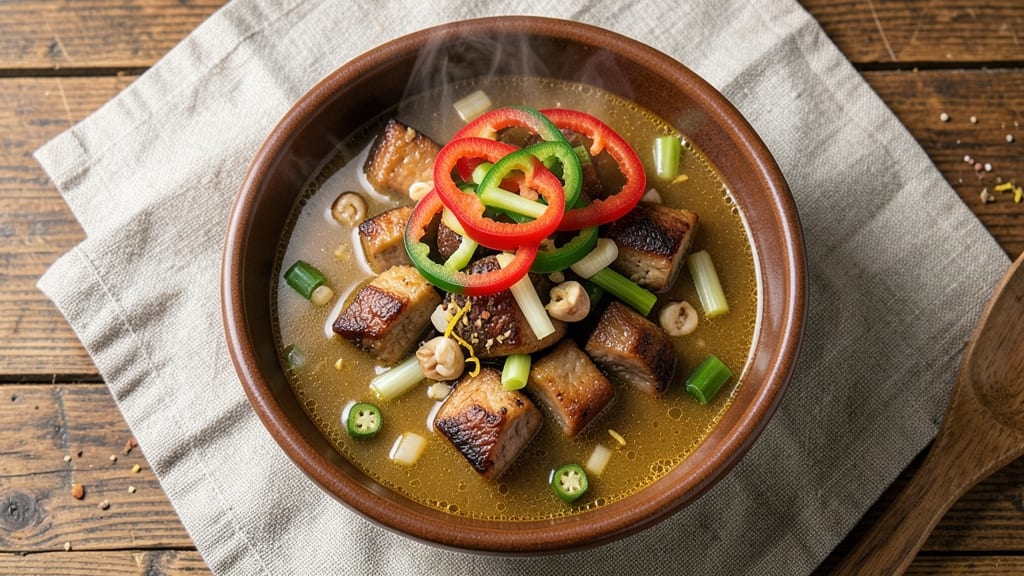
This alligator soup recipe transforms swamp-inspired crunch into a velvety herb-infused velout that balances rich texture with bold flavors. The secret lies in slow-cooking tender alligator meat until it falls apart, creating a hearty broth that becomes the foundation for a creamy, aromatic soup.
I developed this recipe after years of perfecting the balance between crispy alligator pieces and a smooth, herbaceous sauce—it’s the kind of dish that feels both rustic and refined.
The process begins with properly preparing the alligator meat—whether you choose to boil it first for tenderness or sear it for depth, the key is patience. A well-built broth, whether vegetable-based for a lighter version or meat-infused for depth, sets the stage.
Adding okra or bell peppers introduces a subtle crunch and Southern flair, while herbs like thyme and bay leaves infuse the broth with layers of warmth. The result is a soup that’s as comforting as it is distinctive, with a texture that’s both creamy and satisfying.
What makes this recipe stand out is the contrast between the crispy alligator pieces and the velvety velout—each bite delivers a mix of textures and flavors that make it unforgettable.
The soup is rich enough to feel indulgent but balanced enough to serve as a main dish or a centerpiece for a gathering. Whether you’re cooking for a crowd or treating yourself to a taste of the bayou, this recipe delivers restaurant-quality results with a touch of Southern charm.
For those looking to adapt the recipe, swapping the alligator for chicken or mushrooms keeps the essence of the dish intact while making it more accessible. The broth can also be adjusted to suit dietary preferences, ensuring everyone at the table can enjoy this flavorful creation.
Ready to bring a taste of the swamp to your kitchen? Let’s get started.
Ingredients for alligator soup
Six servings of rich, velvety alligator soup with crispy meat and aromatic herbs.
| Ingredient | Amount | Notes |
|---|---|---|
| Alligator Meat 🦎 | 2 lb | Tender cuts, skin removed |
| Yellow Onion 🧅 | 1 whole | Medium, diced |
| Garlic Cloves 🧄 | 4 cloves | Fresh, minced |
| Celery Stalks 🥬 | 3 whole | Fresh, chopped |
| Bell Pepper 🌶️ | 1 whole | Green, diced |
| Okra Pods 🌿 | ½ lb | Fresh, sliced |
| Thyme Sprigs 🌿 | 2 whole | Fresh, leaves only |
| Bay Leaves 🍃 | 2 whole | Dried, standard size |
| Heavy Cream 🥛 | 1 cup | Full-fat for richness |
| Chicken Stock 💧 | 4 cups | Homemade preferred |
| Butter 🧈 | 3 tbsp | Unsalted, cold |
| All-Purpose Flour 🌾 | 2 tbsp | For velout |
| Salt 🧂 | 1 ½ tsp | Kosher or sea salt |
| Black Pepper 🌶️ | ½ tsp | Freshly ground |
| Lemon Juice 🍋 | 1 tbsp | Freshly squeezed |
Alligator meat is the star here, so source it from a specialty seafood market or trusted supplier—look for tender cuts with minimal skin. Costco or local butchers sometimes carry it, but if unavailable, substitute with chicken thighs or mushrooms for a similar texture. The okra adds that signature Southern crunch, but if you can't find it, bell pepper or zucchini works just as well. Fresh thyme and bay leaves elevate the broth, so don't skimp—Trader Joe's or Whole Foods carry high-quality dried herbs if fresh isn't an option.
No alligator? Chicken thighs or mushrooms make excellent substitutes—they hold up well to slow cooking and mimic the tender texture. For a lighter broth, swap chicken stock for vegetable stock, but keep the richness with a splash of cream. The velout relies on butter and flour, so use full-fat butter for creaminess. If you prefer a dairy-free option, coconut milk or cashew cream works beautifully. Fresh herbs are ideal, but dried thyme at one-third the amount gets you close in a pinch.
Store the broth base (without cream) in the fridge for up to 3 days—it only gets better as flavors meld. The cream should be added fresh before serving to maintain its velvety texture. For make-ahead convenience, freeze the soup in portions for up to 3 months. Reheat gently on the stove, stirring occasionally to prevent separation. The crispy alligator pieces are best added fresh—reserve them until serving to keep that satisfying crunch.
Why You'll Love This Recipe
- One-Pot Magic: I swear by this soup because it’s actually a one-pot deal—no extra bowls, no messy cleanup. Just chop the onion, celery, and bell pepper (about 10 minutes max), brown the alligator meat right in the pot, then let the garlic and broth work their flavor magic. Honestly, the only thing I’m scrubbing is my own hands.
- Deep, Savory Umami: That alligator meat? It’s got a texture and depth you won’t find in chicken or beef—tender but with a satisfying bite. The slow simmer with garlic and bell pepper caramelizes just enough to give it this rich, almost smoky-sweet undertone that lingers. Between us, it’s the kind of flavor that makes you pause mid-sip.
- Leftovers That Beg: This soup tastes even better the next day. I make a big batch on Sundays, and by Wednesday, the leftovers are gone—no one complains, not even my picky teenager. The alligator stays moist, the broth thickens into something heartier, and honestly? It’s the kind of meal that turns into a family ritual.
- Budget-Friendly Protein: Alligator might sound fancy, but it’s way cheaper than shrimp or steak per pound—and this recipe uses less meat than you’d think. A single tail feeds four, and the veggies (onion, celery, bell pepper) stretch the flavor without breaking the bank. I’ll be real: it’s my go-to when I need a filling, protein-packed meal without the grocery shock.
Step-by-step instructions for alligator soup
Transform tender alligator meat into a velvety, herb-infused soup with crisp-tender okra and a bright citrus finish.
Sear the Alligator Meat for Deep Flavor
Pat the 2 lb alligator meat completely dry with paper towels—this ensures maximum browning. Cut the meat into 1-inch cubes and season generously with 1 tsp of the 1.5 tsp salt and 0.25 tsp of the 0.5 tsp black pepper. Heat 2 tbsp of the 3 tbsp butter in a large Dutch oven over medium-high heat until foaming.
Working in batches to avoid crowding, add the alligator cubes and sear for 3-4 minutes per side until deeply golden brown. The meat should release easily from the pan—this indicates a proper crust. Remove the seared alligator and set aside on a plate. You'll notice the meat releases its natural oils, creating a rich foundation for the soup.
Build the Aromatic Vegetable Base
In the same Dutch oven, add the remaining 1 tbsp butter and reduce heat to medium. Add the diced 1 whole yellow onion, chopped 3 whole celery stalks, and diced 1 whole bell pepper. Cook for 5-6 minutes, stirring occasionally, until the vegetables soften and the onion becomes translucent.
Add the minced 4 cloves garlic and cook for an additional 30 seconds until fragrant. Stir in the sliced 0.5 lb okra pods and cook for 2 more minutes. The okra will release its natural starch, which will later help thicken the soup. Sprinkle the remaining 0.5 tsp black pepper and 0.5 tsp salt over the vegetables and stir to combine.
Create the Creamy Velouté Base
Sprinkle the 2 tbsp all-purpose flour evenly over the vegetable mixture and stir vigorously for 1-2 minutes until the flour is fully incorporated and the mixture turns slightly pasty. This creates a roux that will thicken the soup beautifully. Gradually pour in the 4 cups chicken stock while whisking continuously to prevent lumps.
Bring the mixture to a gentle simmer over medium heat, then reduce heat to low. Add the 2 whole thyme sprigs (leaves only) and 2 whole bay leaves. Let the soup simmer uncovered for 15 minutes, stirring occasionally, until the flavors meld together. You'll notice the aroma intensify as the herbs infuse the broth with their earthy notes.
Finish with Cream and Citrus Brightness
Return the seared alligator meat to the Dutch oven and simmer for 10-12 minutes until the meat is fork-tender and easily pulls apart. Remove and discard the thyme sprigs and bay leaves. Stir in the 1 cup heavy cream and simmer gently for 2-3 minutes until the soup reaches a luxurious, velvety consistency.
Remove the soup from heat and stir in the 1 tbsp freshly squeezed lemon juice. This final touch brightens the rich flavors and balances the creaminess. Taste and adjust seasoning with additional salt if needed. The soup should be perfectly seasoned with a harmonious blend of savory, herbal, and citrus notes.
Serve with Crisp-Tender Okra
Ladle the alligator soup into warm bowls, ensuring each serving contains both the tender alligator meat and crisp-tender okra pieces. The contrast between the creamy velouté and the slight crunch of the okra creates a textural experience that mirrors the swamp's natural elements.
Garnish each serving with an additional sprinkle of black pepper and a lemon wedge. Serve immediately while the soup is hot and the alligator meat is at its most tender. The aroma alone will transport you to a quiet bayou evening, where the flavors of the swamp come alive in every spoonful.
Pro Tips For Making Alligator Soup
- Sear the Alligator First: Don’t skip browning the meat—cut it into 1.5-inch chunks, pat them dry, and hit a screaming-hot pan with oil. The crust locks in flavor and keeps the soup from tasting like boiled shoe leather. I learned this the hard way after a batch tasted bland.
- Trim the Celery Right: Use only the pale, tender bottom 3 inches of the stalks—discard the tough, stringy tops. This isn’t the prettiest method, but it’s the tastiest. (Yes, even if you’re impatient like me.)
- Low and Slow for Garlic: After sautéing onions and celery, add minced garlic last and cook it at the lowest heat setting—just until fragrant, not golden. Burnt garlic ruins the whole dish, and no one’s coming back for seconds if that happens.
- Deglaze with a Splash of Wine: After searing the alligator, deglaze the pan with ¼ cup dry white wine (or even a splash of apple cider vinegar in a pinch). Scrape every last bit off the bottom—this is where the magic flavor hides. (Your future self will thank you.)
Flavor customization for these flavors
Spicy Bayou Kick
For a bold Southern twist, add 1 tbsp hot sauce (like Crystal or Tabasco) or ½ tsp cayenne pepper when simmering the broth. I recommend stirring in 1-2 diced jalapeños with the okra for a smoky heat.
If you love spice, finish each bowl with red pepper flakes and a squeeze of lime—trust me, it’s a game-changer. 🌶️
Smoky Charred Notes
Swap the Dutch oven for a cast-iron skillet and sear the alligator over medium-high heat until charred in spots. For extra depth, add 1 tsp smoked paprika to the flour roux or stir in ½ cup diced chipotle peppers in adobo when finishing the soup.
This smoky version tastes like a campfire in a bowl. 🔥
Herb-Forward Variations
Swap thyme for fresh rosemary (1 sprig) or sage (3 leaves) for an earthy twist. I also love adding 1 tsp dried oregano with the bay leaves—it pairs beautifully with the alligator’s natural richness. For a brighter profile, stir in 1 tbsp chopped parsley at the end. 🌿
Creamy Upgrades
Replace heavy cream with ½ cup coconut cream for a dairy-free option, or stir in 2 oz cream cheese for extra velvety richness. For a tangy kick, add 1 tbsp sour cream or crème fraîche just before serving. The velouté becomes even silkier with these adjustments. 🥛
Vegetable Swaps
No okra? Use ½ lb green beans or zucchini for a milder crunch. For a heartier texture, add ½ cup diced mushrooms with the onions. I’ve also tried sliced leeks (½ cup) for a sweeter, onion-like depth. Each swap keeps the soup’s signature texture while adapting to what’s available. 🥬
Protein Alternatives
Can’t find alligator? Use chicken thighs (2 lbs) for a milder taste or firm tofu (for a vegetarian version). If you’re feeling adventurous, try shrimp (1 lb, added in the last 5 minutes) for a seafood twist. The key is keeping the protein tender—never overcook it! 🦐
Nutrition facts
Frequently asked questions
What makes alligator soup different from other seafood soups?
The alligator's unique texture and flavor set it apart—its meat is leaner than chicken but richer than fish, with a subtle gamey depth when properly cooked. The key is balancing its natural oils with creamy velouté and bright citrus, creating a dish that's both hearty and refined. Unlike chicken or shrimp soups, alligator benefits from slow simmering to tenderize its dense fibers.
Can I substitute alligator with another protein?
For a milder taste, use chicken thighs (2 lbs) or duck breast—both hold up well to slow cooking. Vegetarians can try firm tofu or mushrooms (1.5 lbs) for umami depth. The key is keeping the protein tender—never overcook it! Add proteins in the last 10 minutes of simmering to maintain texture.
How do I know when the alligator meat is fully cooked?
The meat is done when it's fork-tender and easily pulls apart with minimal resistance. For best results, simmer for 10-12 minutes after returning the seared pieces to the pot. The internal temperature should reach 165°F. Overcooking turns the meat tough—remove it from heat as soon as it reaches this point.
What's the best way to store leftovers?
Store the broth base (without cream) in an airtight container in the fridge for up to 3 days—it only improves as flavors meld. For longer storage, freeze portions for 3 months. Always add cream fresh before reheating to maintain its velvety texture. Reheat gently on the stove, stirring occasionally to prevent separation.
Why does my soup taste bitter?
Bitterness usually comes from overcooked alligator or over-simmered okra. To fix it, stir in 1 tbsp lemon juice or apple cider vinegar to brighten flavors. For prevention, simmer the soup uncovered and add a splash of heavy cream early to balance any harsh notes. The okra should cook for just 2-3 minutes—no longer!