
Soups & Stews
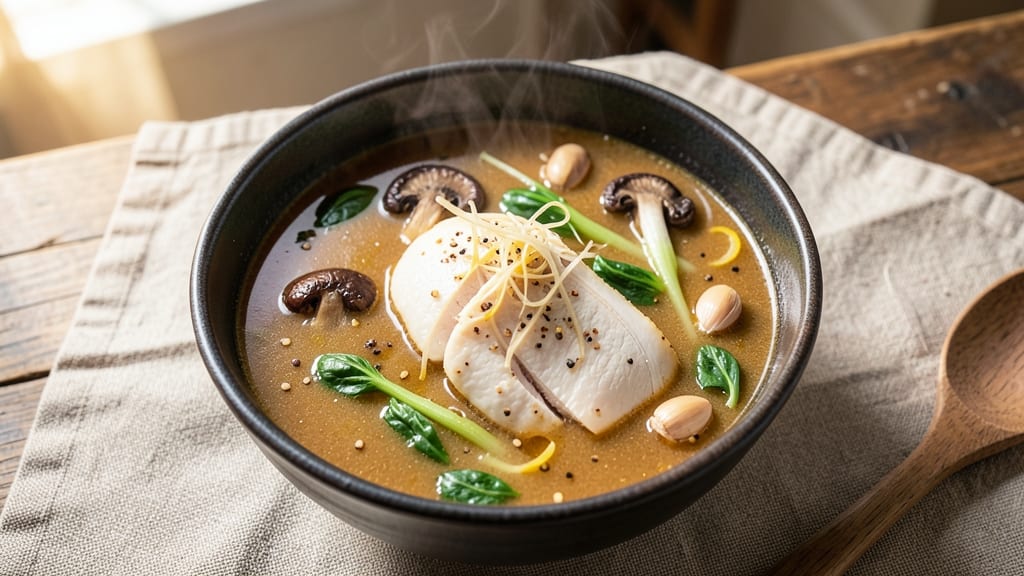
This American ginseng soup recipe transforms earthy ginseng into a velvety, warming broth that balances herbal depth with bright ginger notes. 🌿 The secret lies in simmering ginseng root (or powder) with aromatic vegetables and protein, creating a nourishing soup that's both comforting and energizing.
Traditional preparations often include chicken or tofu for substance, while mushrooms and garlic add umami richness.
What sets this soup apart is its dual nature—it's a meal and a tonic. The ginseng root infuses the broth with its signature earthiness, while fresh ginger and garlic create a zesty contrast.
I've perfected this recipe to deliver a velvety texture without losing any of the ginseng's natural benefits, making it ideal for cold days or when you need an immune-boosting lift.
By the time it's done, you'll have a golden, aromatic broth with tender vegetables and protein, all infused with the warming properties of ginseng. The soup's depth comes from slow simmering, which allows the flavors to meld while preserving the ginseng's medicinal qualities.
Garnish with fresh herbs or sesame seeds for a finishing touch that brightens every spoonful.
Serve with steamed rice or crusty bread to soak up every drop of that velvety broth. This soup is equally at home as a light lunch or a hearty dinner starter, offering both nourishment and a sense of well-being with every bite. Let's get cooking!
Ingredients for american ginseng soup
Earthy ginseng meets bright ginger and umami mushrooms—just 14 ingredients for a soul-warming bowl.
| Ingredient | Amount | Notes |
|---|---|---|
| American Ginseng Root 🌿 | 1 oz | Fresh or dried, sliced thinly |
| Fresh Ginger 🧄 | ½ cup | Peeled, roughly chopped |
| Garlic Cloves 🧄 | 4 cloves | Minced for aromatic depth |
| Baby Bok Choy 🥬 | 4 whole | Trimmed, halved lengthwise |
| Shiitake Mushrooms 🍄 | 8 whole | Stemmed, sliced thin |
| Boneless Chicken Breast 🍗 | 1 ½ lb | Cubed into 1-inch pieces |
| Low-Sodium Chicken Broth 💧 | 4 cups | Homemade or high-quality store-bought |
| Green Onions 🧅 | ¼ cup | Sliced, white and green parts separated |
| Sesame Seeds 🌰 | 1 tbsp | Toasted for garnish |
| Extra-Virgin Olive Oil 🫒 | 2 tbsp | For sautéing mushrooms and garlic |
| Fresh Cilantro 🌿 | ¼ cup | Chopped, for garnish |
| Diamond Crystal Kosher Salt 🧂 | 1 tsp | For seasoning broth |
| Black Pepper 🌶️ | ½ tsp | Freshly ground |
| White Rice 🍚 | 1 cup | Uncooked, for serving |
Ginseng is the star here, so quality matters. Look for fresh root at Asian markets or health food stores like Whole Foods—it should smell earthy, not musty. Dried works too, but soak it first. The ginger? Fresh is non-negotiable—it brightens the whole soup. For mushrooms, shiitake adds depth, but cremini or oyster work too. I always grab the pre-sliced chicken at Trader Joe's to save time, but boneless thighs work even better if you want extra richness.
No ginseng? Ginseng powder (1 tsp) is a decent swap, but the texture won't be identical. Fresh ginger out of season? Powdered ginger at half the amount gets you close, but you'll lose that zing. Chicken not an option? Firm tofu or chickpeas add protein—just simmer tofu longer. The broth can be veggie-based if you prefer, but chicken broth builds that umami foundation. And if you're short on bok choy, spinach or napa cabbage work in a pinch.
This soup tastes even better the next day—double the batch if you can. Store in airtight containers for 4-5 days in the fridge or freeze for 3 months. The ginseng root can be stored dried in a cool place for up to a year. For serving, I always toast the sesame seeds in a dry pan for 30 seconds—they add a nutty crunch that elevates everything. Garnish with cilantro if you love it, but skip it if you're sensitive to its flavor.
Why You'll Love This Recipe
- I’ll be real: this is my go-to when I need something hearty but won’t spoil by noon. The flavors only get better the next day—ginger and ginseng mellow into this rich, comforting base, and the mushrooms add a meaty texture that holds up perfectly. Pack it cold or reheat it; it’s the kind of soup that makes coworkers ask for the recipe.
- One-Pot Magic: Honestly, I’ve made soups that require three pans and still end up messy. This one? Just a single pot—ginger, garlic, and those earthy shiitakes simmering with ginseng until the bok choy wilts into tender perfection. No chopping frenzy, no cleanup stress. The ginseng root even softens right in the broth, so you’re not hunting for a blender.
- Earthy Umami Bomb: Between us, the first sip always makes me pause. That deep, savory punch from the shiitakes and ginseng? It’s like a warm hug for your taste buds, especially when the fresh ginger cuts through with a bright kick. The bok choy adds this crisp-tender crunch that makes it feel special—not just another bowl of soup.
- Office Lunch Hero: I’ll be real: this is my go-to when I need something hearty but won’t spoil by noon. The flavors only get better the next day—ginger and ginseng mellow into this rich, comforting base, and the mushrooms add a meaty texture that holds up perfectly. Pack it cold or reheat it; it’s the kind of soup that makes coworkers ask for the recipe.
Step-by-step instructions for American ginseng soup
Here's how to create a harmonious blend of earthy ginseng, velvety ginger, and umami mushrooms.
🍳 Step 1: Sauté the Aromatic Foundation
Heat the 2 tablespoons extra-virgin olive oil in a large pot over medium heat. Add the 0.5 cup fresh ginger and 4 cloves minced garlic cloves, cooking for 2-3 minutes until the ginger becomes translucent and fragrant. Here's the thing—don't let the garlic burn, but let it develop that nutty aroma before moving forward.
Next, add the 8 sliced shiitake mushrooms and cook for another 4-5 minutes until they release their moisture and begin to brown. The mushrooms should look tender and slightly caramelized by the time they're done. This step builds the flavor base that will infuse throughout the entire soup.
🔥 Step 2: Infuse with Ginseng and Chicken
Increase heat to medium-high and add the 1.5 lb cubed boneless chicken breast. Cook for 5-6 minutes, stirring occasionally, until the chicken develops a light golden crust on all sides. This searing step is crucial for locking in the chicken's juices and adding depth of flavor.
Now add the 1 oz sliced American ginseng root and stir gently to combine. Pour in the 4 cups low-sodium chicken broth and bring to a gentle boil. Once boiling, reduce heat to medium-low and let it simmer for 15 minutes to allow the ginseng to infuse its earthy notes into the broth. You'll notice the broth takes on a subtle golden hue—this is your visual cue that the infusion is working.
🥘 Step 3: Add Vegetables and Season
Add the 4 halved baby bok choy, 1 teaspoon kosher salt, and 0.5 teaspoon black pepper to the pot. Simmer for another 8-10 minutes until the chicken is fully cooked (internal temperature should reach 165°F) and the bok choy is tender but still vibrant green. The vegetables should be just barely al dente—overcooking will make them mushy.
Taste the broth and adjust seasoning if needed. Remember, we're using low-sodium broth, so you might need to add a bit more salt. The soup should have a balanced flavor profile—earthy from the ginseng, spicy from the ginger, and umami from the mushrooms and chicken.
🔪 Step 4: Prepare the Garnishes and Serve
While the soup simmers, separate the 0.25 cup green onions into white and green parts. Toast the 1 tablespoon sesame seeds in a dry skillet over low heat for 1-2 minutes until they're golden and fragrant. This quick toasting step enhances their nutty flavor significantly.
To serve, ladle the soup into bowls. Garnish each serving with the toasted sesame seeds, white parts of the green onions, and 0.25 cup chopped fresh cilantro. The contrast of textures and colors makes this soup visually stunning while adding freshness to each bite. Serve with 1 cup cooked white rice on the side for the perfect balance of flavors and textures.
Pro Tips For Making American Ginseng Soup
- Simmer Ginseng Low: After burning through three batches of ginseng root, I learned this: keep the heat at a bare simmer, not a rolling boil. The root needs time to release its earthy depth—rush it, and you’ll end up with bitter, overcooked sludge instead of that smooth, herbal richness.
- Slice Ginger Thin: Skip the big chunks unless you want a soup that tastes like it’s fighting you. Thin, matchstick slices of ginger (about 1/8-inch thick) infuse faster and dissolve just enough to flavor without turning the broth into a spice bomb. Trust me, your nose will thank you.
- Don’t Crowd the Mushrooms: I used to toss shiitakes in whole and hope for the best—big mistake. Stem first, cap sliced, and spread them out in the pot. They’ll crisp slightly at the edges, adding texture instead of turning into a mushy, flavorless mess. (Yes, even if you’re impatient like me.)
- Blanch Bok Choy First: This isn’t the prettiest method, but it’s the tastiest: blanch the baby bok choy for 30 seconds in boiling water, then shock in ice water. It keeps the leaves vibrant and crisp, so they don’t turn to mush when you add them to the finished soup. Your future self will notice the difference.
Dietary considerations for this dish
Gluten-Free Adaptations
This soup is naturally gluten-free when using gluten-free ingredients, which is fantastic news for those with celiac disease or gluten sensitivity. The original recipe relies on chicken broth, so opt for a gluten-free chicken broth like Pacific Foods or Imagine Foods—both are certified gluten-free and widely available.
I always double-check labels, as some brands may process their products in facilities that handle gluten. 🌿
For extra assurance, skip the sesame seeds if you're highly sensitive, as they can sometimes contain cross-contamination. Instead, garnish with toasted pumpkin seeds or extra cilantro. The rest of the ingredients—ginseng, ginger, mushrooms, and bok choy—are all gluten-free by nature, so you’re covered on the flavor front.
Dairy-Free Considerations
Since this soup doesn’t include any dairy, it’s already dairy-free and safe for lactose-intolerant individuals or those following vegan diets. The creamy texture comes from the velvety broth and silky chicken (or tofu), not cream or cheese.
For a vegan version, simply swap the chicken for extra-firm tofu or chickpeas—just simmer the tofu for an extra 5-7 minutes to ensure it’s tender. 🥗
If you’re using tofu, press it first to remove excess water, then cube it and pan-fry lightly before adding to the pot. This step adds a nice texture contrast without requiring dairy. The ginseng and ginger will still shine, delivering that earthy, zesty harmony.
Low-Sodium Options
The recipe already calls for low-sodium chicken broth, but if you’re watching your sodium intake even more closely, you can reduce the kosher salt to just ½ teaspoon or omit it entirely.
Instead, boost flavor with an extra ½ teaspoon black pepper or a splash of rice vinegar (about 1 teaspoon) to brighten the broth. I’ve found that a pinch of white miso paste (½ teaspoon) also adds umami depth without extra salt. 💡
For those on a low-sodium diet, consider using no-salt-added broth and seasoning with fresh herbs like cilantro or green onions. These adjustments keep the soup flavorful while keeping sodium in check.
Vegetarian/Vegan Swaps
To make this soup vegetarian, simply replace the chicken with firm tofu or chickpeas. For tofu, use 1 block (14 oz), press and cube it, then pan-fry until golden before adding to the broth.
Chickpeas (1 can, drained) add heartiness and work well if you prefer a softer texture. The ginseng and mushrooms will still be the star, but the protein content shifts to plant-based. 🌱
For a vegan version, ensure your broth is vegetable-based and skip any honey or dairy-based garnishes. A drizzle of sesame oil (½ teaspoon) at the end adds richness without animal products. The earthy ginseng pairs beautifully with these plant-based proteins, making it a satisfying, nourishing bowl.
Nutrition facts
Frequently asked questions
Can I substitute fresh ginseng root with powder?
Yes, but the texture will differ slightly. Use 1 teaspoon ginseng powder instead of 1 oz fresh root. Stir it into the broth during the 15-minute simmer to let it fully dissolve. The flavor will be similar, though the earthy depth may be more concentrated. For best results, combine both fresh and powdered ginseng for a balanced infusion.
How do I know when the ginseng root is properly infused?
The broth should develop a subtle golden hue and an earthy aroma after 15 minutes of simmering. Taste a small amount—you’ll notice a mild, slightly sweet herbal note. If the flavor is too bitter, reduce simmering time to 10 minutes next time. Overcooking can intensify bitterness, so keep an eye on the color and aroma.
Can I make this soup spicier?
Add ½ teaspoon red pepper flakes or 1 sliced fresh chili (like Thai bird's eye) when sautéing the ginger and garlic. For heat without spice, include 1 teaspoon gochugaru (Korean red pepper powder) with the salt. Adjust to taste—this soup holds up well to bold flavors while keeping the ginseng’s earthiness balanced.
Why does my ginseng soup taste bitter?
Bitterness usually comes from overcooking the ginseng or using old/dried root. Simmer for no more than 15 minutes and use fresh root when possible. If using dried ginseng, soak it in warm water for 10 minutes before adding to the pot. A splash of rice vinegar (1 tsp) can also help neutralize bitterness by balancing flavors.
How long can I store leftover ginseng soup?
Store in an airtight container in the fridge for 4-5 days or freeze for 3 months. The flavors actually deepen overnight! Reheat gently on the stove or microwave until steaming. For freezing, cool completely first to prevent ice crystals. The ginseng’s medicinal properties remain stable when stored properly.