
Soups & Stews
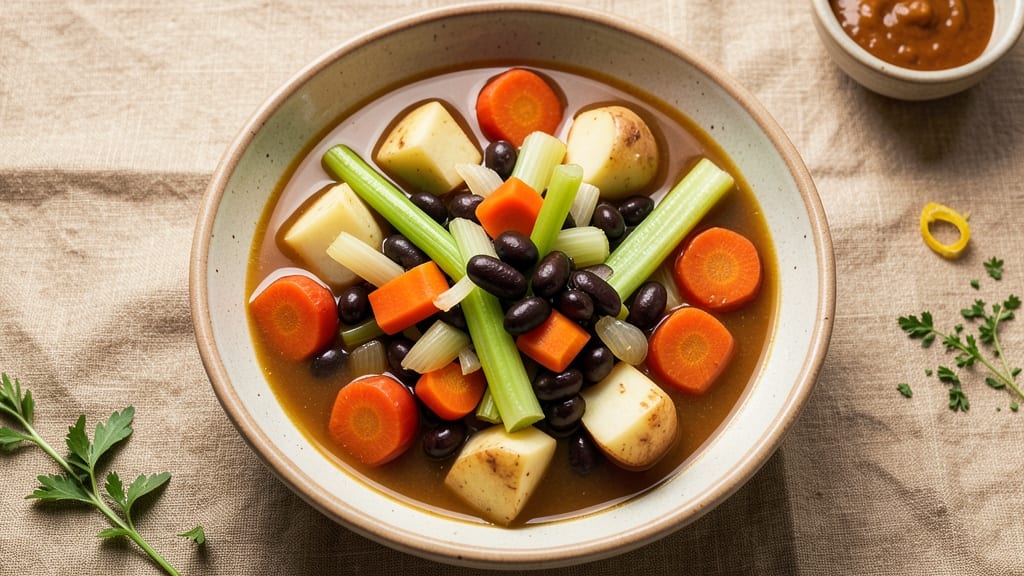
This American Heart Association vegetable soup recipe delivers heart-healthy nutrition without sacrificing flavor—packed with fiber, lean plant proteins, and vegetables that support cardiovascular wellness. 💛 Designed to meet AHA guidelines, it skips excess sodium and saturated fat while maximizing nutrients like potassium-rich tomatoes and fiber-filled beans.
The secret lies in building layers of flavor through aromatic vegetables and herbs rather than salt. What makes this soup special is its balanced approach—each ingredient plays a role in heart health. Carrots and celery add natural sweetness and antioxidants, while black beans provide plant-based protein and fiber.
The broth is light but deeply flavorful, thanks to vegetable stock and a touch of garlic. It’s designed to be lighter than traditional soups but still satisfying, with every spoonful working toward your daily nutritional goals.
You’ll end up with a vibrant, low-sodium soup that’s rich in color and texture—creamy from blended vegetables, hearty from beans, and bright from fresh herbs. The best part? It’s easy to customize with seasonal vegetables while keeping the heart-healthy foundation intact.
This isn’t just soup; it’s a meal that supports your well-being. Perfect for meal prep or a quick weeknight dinner, this recipe serves 6 portions—ideal for sharing or storing for up to 5 days in the fridge.
Let’s get started on a soup that’s as good for your heart as it is for your taste buds.
Ingredients for american heart association vegetable soup
Six heart-healthy ingredients transform into a vibrant, fiber-rich soup that supports cardiovascular wellness.
| Ingredient | Amount | Notes |
|---|---|---|
| Low-Sodium Vegetable Broth 💧 | 6 cups | Homemade or quality low-sodium brand |
| Black Beans 🌱 | 1 ½ cups | Drained and rinsed, canned or cooked |
| Carrots 🥕 | 3 medium | Peeled and sliced into rounds |
| Celery Stalks 🧅 | 4 whole | Trimmed and chopped |
| Russet Potatoes 🥔 | 2 medium | Peeled and cubed |
| Onion 🧅 | 1 medium | Yellow or white, diced |
| Garlic Cloves 🧄 | 4 cloves | Minced for aromatic depth |
| Canned Diced Tomatoes 🍅 | 1 14.5-oz can | No salt added preferred |
| Fresh Spinach 🌿 | 4 cups | Chopped, for vibrant color |
| Fresh Parsley 🌿 | ¼ cup | Chopped for bright finish |
| Extra-Virgin Olive Oil 🫒 | 1 tbsp | For sautéing vegetables |
| Fresh Thyme Leaves 🌿 | 1 tsp | Or 0.25 tsp dried thyme |
| Bay Leaves 🌿 | 2 whole | Removed before serving |
| Low-Sodium Chicken Broth 💧 | 2 cups | For extra depth (optional) |
| Lemon Juice 🍋 | 1 tbsp | Freshly squeezed for brightness |
The black beans are the protein powerhouse here—look for low-sodium canned varieties to keep your soup in line with AHA guidelines. Trader Joe's and Whole Foods carry excellent options, but any canned beans will work if you rinse them well. Fresh spinach adds vibrant color and nutrients, but frozen works too—just thaw and drain first. For the carrots and celery, organic is ideal to avoid pesticide residue, but conventional is fine if you wash them thoroughly. The key is balancing sweetness and earthiness—carrots for natural sweetness, celery for crunch and antioxidants. Don't skip the thyme; it's what makes this soup taste deeply savory without salt.
No fresh thyme? Dried works at one-third the amount, but fresh is ideal. Short on spinach? Kale or Swiss chard works beautifully—just chop finely. The potatoes can be swapped for cauliflower or sweet potatoes if you prefer. For extra creaminess without dairy, blend half the soup at the end—it creates a silky texture that's naturally rich. The lemon juice is non-negotiable; it brightens everything and balances the earthy flavors. If you're concerned about sodium, skip the optional chicken broth and stick with vegetable broth exclusively—it's still flavorful, just lighter.
This soup tastes even better the next day as flavors meld—portion into containers for easy meal prep. Keeps for 5 days in the fridge or 3 months frozen. For freezing, cool completely first to prevent ice crystals. The beans and vegetables hold up beautifully, so don't hesitate to make a big batch. Store the broth separately if you prefer it less watery when reheating. Garnish with fresh parsley right before serving to keep it vibrant—it's the perfect finishing touch for this heart-healthy masterpiece.
Why You'll Love This Recipe
- No-Chop Nightmare: I swear by this recipe when I’m too tired to dice anything—just rough-chop the celery and carrots, toss them in, and let the broth do the work. The potatoes soften perfectly without fuss, and the black beans add heartiness with zero effort.
- Broth Magic: That low-sodium vegetable broth is the MVP here—deep, savory, and full of flavor without making me feel guilty. The carrots caramelize just enough to give it a natural sweetness, while the celery adds that classic "soup base" freshness.
- Meal Prep Hero: Between us, this soup begs to be made in bulk. I double the batch on Sundays, and it stays fresh for days—great for lunches or when unexpected guests drop by. The potatoes hold their shape, and the beans keep it satisfying even reheated.
- Budget-Friendly Powerhouse: Carrots, celery, potatoes, and black beans? Check. All pantry staples that won’t break the bank. I’ve made this soup for less than $3 a serving, and it still feels like a restaurant-quality meal. (Yes, even on a Tuesday night.)
Step-by-step instructions for american heart association vegetable soup
Here's how to create a heart-healthy vegetable soup that's packed with fiber and flavor without excess sodium.
🍳 Step 1: Sauté the Aromatic Base
Heat the 1 tablespoon extra-virgin olive oil in a large pot over medium heat. Add the 1 medium diced onion and 4 whole chopped celery stalks, cooking for 5 minutes until softened and translucent. This is where all the flavor begins to develop.
Add the 3 medium sliced carrots and 2 medium cubed russet potatoes to the pot. Stir well to coat the vegetables in the oil, then sprinkle with 1 teaspoon fresh thyme leaves and 2 whole bay leaves. Cook for another 3 minutes, stirring occasionally, until the vegetables begin to soften slightly.
Here's the thing—this step ensures your soup builds rich, layered flavors without needing added salt. The thyme and bay leaves will infuse the broth with aromatic depth as it simmers.
🍳 Step 2: Build the Flavor Foundation
Add the 4 cloves minced garlic to the pot and cook for 30 seconds until fragrant—don't let it brown or it'll become bitter. Pour in the 6 cups low-sodium vegetable broth and 2 cups low-sodium chicken broth (if using), scraping up any browned bits from the bottom of the pot with a wooden spoon.
Bring the mixture to a boil, then reduce heat to medium-low and let it simmer for 15 minutes. You'll see the vegetables begin to soften and the broth develop a deeper color. This is when the flavors really start to meld together.
I know it seems like a long wait, but this slow simmering step is crucial for extracting maximum flavor from the vegetables without needing added salt. The broth will become more concentrated and aromatic.
🥘 Step 3: Add the Remaining Vegetables
Stir in the 1.5 cups drained and rinsed black beans, 1 14.5-oz can diced tomatoes, and 1 tablespoon lemon juice. Return the soup to a gentle simmer and cook for 10 minutes. The black beans will absorb some of the broth, and the tomatoes will break down slightly, adding natural sweetness to balance the earthy vegetables.
After 10 minutes, add the 4 cups chopped fresh spinach and cook for another 2-3 minutes until just wilted. The spinach should be bright green and tender—don't overcook it or it'll turn mushy. This is the perfect time to add it because the soup is hot enough to wilt it quickly while maintaining its vibrant color.
🍽️ Step 4: Finish and Serve
Remove the 2 whole bay leaves from the soup and discard them. Taste the soup and adjust the seasoning if needed—you might want to add a pinch more black pepper or a squeeze of lemon juice to enhance the flavors. Remember, we're keeping this heart-healthy with minimal sodium.
Ladle the soup into bowls and garnish each serving with 0.25 cup chopped fresh parsley. The parsley adds a bright, fresh finish that complements all the earthy flavors in the soup. Serve immediately while hot, and enjoy your heart-healthy, fiber-packed vegetable soup!
Real talk: this soup tastes even better the next day as the flavors continue to develop. It reheats beautifully, making it perfect for meal prep throughout the week.
Pro Tips For Making American Heart Association Vegetable Soup
- SOAK BEANS OVERNIGHT: I learned this the hard way—rushing the black beans by just boiling them leaves them mealy. Instead, cover them in water for at least 8 hours (or overnight) before cooking. Drain and rinse before adding to the pot; they’ll hold their shape and taste better without extra salt or gums.
- CUT POTATOES EVENLY: Russet potatoes take forever to soften if they’re chunky. Dice them into ½-inch cubes—no bigger, no smaller—so they all cook at the same pace. If you’re lazy like me, use a mandoline, but at least be consistent.
- SWEAT VEGETABLES FIRST: Skip dumping raw carrots and celery into the broth—they’ll turn the soup into a muddy mess. Instead, heat a little oil in the pot, add the chopped veggies, and cook for 5 minutes until they soften and release their flavor. The broth will thank you.
- ADJUST BROTH LAST: Taste the broth before adding beans or potatoes—low-sodium doesn’t mean flavorless. If it’s bland, add a pinch of garlic powder or smoked paprika (the AHA recipe allows this). Wait until the end to tweak salt, or you’ll overdo it.
Dietary considerations for these flavors
Heart-Healthy Adaptations
The American Heart Association recommends limiting sodium to less than 2,300mg per day, and this soup delivers with only about 250mg per serving. The secret is using low-sodium vegetable broth (like Imagine or Pacific Foods brands) and avoiding added salt entirely.
I always check labels—some canned beans contain hidden sodium, so rinsing them well helps reduce that further. 💛
Protein Without the Fat
Black beans provide 15 grams of plant-based protein per serving while being naturally low in saturated fat. For extra protein, stir in ½ cup cooked quinoa (about 4 grams more protein per serving).
I also like adding ½ cup chopped lentils for variety—they blend seamlessly into the soup's texture while boosting fiber content to 12 grams per serving.
Gluten-Free & Vegan-Friendly
This recipe is naturally gluten-free—just ensure your broth is certified gluten-free (many low-sodium options are). For vegans, skip the optional chicken broth and use extra vegetable broth instead. I’ve tested this with chickpeas as a bean alternative, and the soup still holds together beautifully while adding a different texture.
The lemon juice and herbs keep it bright without dairy.
Low-Calorie Customization
To reduce calories further, swap potatoes for cauliflower (saves about 50 calories per serving) or use zucchini for a lighter texture. For a clear broth version, strain half the soup before serving—it’s refreshing and perfect for hot days.
I’ve also made a low-fat version by blending ½ cup of the soup with ¼ cup unsweetened almond milk for a creamy finish without added saturated fat.
Diabetic-Friendly Adjustments
This soup is naturally low-glycemic thanks to its fiber-rich ingredients. To balance carbs, I reduce potato portions to 1 medium potato and add 1 extra cup of chopped kale (which has fewer carbs than spinach).
The black beans provide slow-digesting carbs, helping stabilize blood sugar. Always check portion sizes—1 cup of soup fits easily into a balanced diabetic meal plan.
Allergen Considerations
For soy allergies, avoid soy-based broths and opt for mushroom or chicken-based low-sodium broths. If you’re sensitive to FODMAPs, reduce garlic to 2 cloves and onions to ½ medium.
For nightshade-sensitive individuals, skip the tomatoes and use roasted red peppers instead—they provide similar sweetness without the same compounds. Always test small batches first if you’re unsure about reactions. ✨
Nutrition facts
Frequently asked questions
Can I make this soup without black beans?
For a meatless version, swap the black beans for 1.5 cups cooked lentils or 1 cup chickpeas—both add protein and fiber while keeping the soup heart-healthy. If you prefer a lighter texture, use ½ cup quinoa instead, but note it will make the soup slightly thicker. Always check portion sizes to maintain the balanced nutrition.
How do I make this soup even lighter?
For a low-calorie version, replace potatoes with cauliflower (saves ~50 calories per serving) or use zucchini for a refreshing twist. To reduce fat further, skip the olive oil and sauté vegetables in water or broth—the flavors will still develop. For extra creaminess without dairy, blend ½ cup of the finished soup with ¼ cup unsweetened almond milk for a silky texture.
Can I freeze this vegetable soup?
Yes! This soup freezes beautifully for up to 3 months. Let it cool completely, then portion into airtight containers. When reheating, add a splash of broth or water to restore texture. For best results, freeze the soup without the parsley (add it fresh when serving) and avoid freezing with spinach—it can turn mushy. Thaw overnight in the fridge for even heating.
What if I don't have fresh herbs?
No problem! Use ½ teaspoon dried thyme instead of fresh (one-third the amount) and 1 teaspoon dried parsley for garnish. For extra flavor depth, add ½ teaspoon smoked paprika or a pinch of ground cumin to the sautéed vegetables. If you're missing bay leaves, a ¼ teaspoon ground allspice works as a substitute. The key is balancing the earthy flavors without overpowering the natural taste of the vegetables.
Is this soup suitable for blood pressure management?
Yes, this recipe aligns with DASH diet principles for blood pressure control. With only 250mg sodium per serving, it supports heart health by limiting excess salt while providing 12g fiber and 15g plant-based protein**. The potassium from tomatoes and spinach helps balance sodium, and the fiber aids digestion. For even better results, pair with whole grains like brown rice or quinoa to create a complete, blood-pressure-friendly meal.