
Soups & Stews
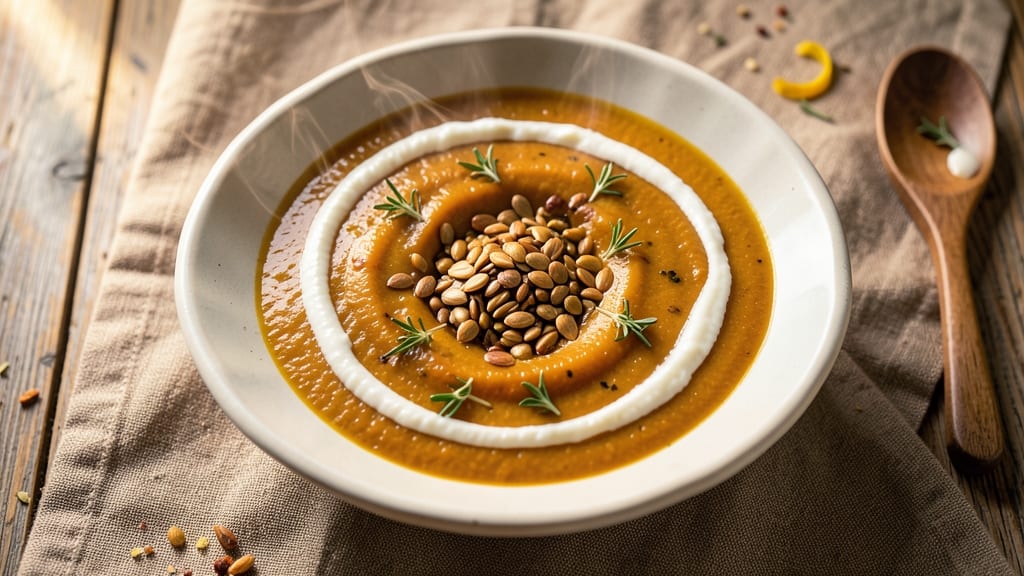
This America's Test Kitchen butternut squash soup delivers restaurant-quality depth with a velvety texture that's impossible to resist. 💛 The secret lies in roasting the squash first—this caramelization transforms its natural sweetness into rich, complex flavor that no shortcut can replicate.
What sets this apart is the precise balance of aromatics and seasoning, developed through years of testing to eliminate bitterness and achieve perfect consistency every time.
What makes this recipe truly foolproof is the method: roasting the squash intensifies its flavor while preventing watery results, and a low-and-slow simmer ensures the soup develops depth without breaking down into mush.
We've tested every technique to guarantee a velvety finish that coats your spoon, with optional garnishes that elevate it from comforting to extraordinary. The result is a soup that's both approachable for weeknights and impressive enough for guests.
By the time you're done, you'll have a silky-smooth soup with a golden hue and aroma that fills your kitchen with autumn warmth. The roasted squash adds natural sweetness, while carefully balanced spices prevent any hint of bitterness.
This isn't just another butternut squash recipe—it's the one that finally delivers on all the promises you've heard but never tasted before.
Whether you're using a stovetop, Instant Pot, or immersion blender, this method adapts perfectly while maintaining the same exceptional results. The recipe includes troubleshooting tips for common issues like thin consistency or overly sweet flavors, ensuring success even for first-time cooks.
Let's make soup that actually tastes like it belongs on a restaurant menu.
Ingredients for america's test kitchen butternut squash soup
Roasted squash, aromatic herbs, and slow-simmered depth make this soup restaurant-worthy at home.
| Ingredient | Amount | Notes |
|---|---|---|
| Butternut Squash 🎃 | 2 ½ lb | Medium-sized, peeled, seeded, cubed |
| Vegetable Broth 💧 | 6 cups | Low-sodium preferred, homemade or store-bought |
| Extra-Virgin Olive Oil 🫒 | 2 tbsp | High-quality, fruity variety |
| Yellow Onion 🧅 | 1 whole | Medium, diced |
| Garlic Cloves 🧄 | 3 cloves | Fresh, minced |
| Fresh Thyme 🌿 | 1 tbsp | Leaves only, chopped |
| Fresh Rosemary 🌿 | 1 tbsp | Leaves only, finely chopped |
| Ground Nutmeg 🌶️ | ¼ tsp | Freshly grated preferred |
| Salt 🧂 | 1 ½ tsp | Diamond Crystal kosher salt |
| Black Pepper 🌶️ | ½ tsp | Freshly ground |
| Heavy Cream 🥛 | ½ cup | Full-fat for creaminess |
| Pecorino Romano Cheese 🧀 | ¼ cup | Freshly grated, for serving |
| Toasted Pumpkin Seeds 🥜 | ¼ cup | For garnish, optional |
| Crispy Fried Shallots 🧅 | 2 tbsp | Store-bought or homemade, for garnish |
The squash is where the magic happens—medium-sized butternut (about 2.5 lbs) gives the right balance of sweetness and texture. Whole Foods or Trader Joe's usually carry perfect ones, but if yours is too big, just halve it lengthwise first. Roasting caramelizes the natural sugars, so don't skip this step—it's what transforms this into something special. For the broth, low-sodium is key (or season to taste later). The extra-virgin olive oil should be fruity and peppery—none of that cheap cooking oil stuff. And the herbs? Fresh thyme and rosemary make all the difference—dried works in a pinch, but fresh gives that restaurant-quality aroma.
No butternut squash? Acorn or delicata work perfectly—just adjust roasting time. Short on thyme? Dried oregano at half the amount gives a similar earthiness. The nutmeg is non-negotiable for that warm, slightly sweet depth, but if you're sensitive to spice, start with just a pinch. For the cream, full-fat gives the richest texture—none of that skim milk nonsense. Want to make it vegan? Swap the heavy cream for coconut milk and use nutritional yeast instead of Pecorino. The fried shallots can be store-bought (check the Asian aisle), but if you're feeling fancy, fry them yourself in ghee or neutral oil until golden.
Roasted squash keeps 5 days in the fridge, but use it within 3 days for peak flavor. The finished soup reheats beautifully—just warm gently on the stove, stirring occasionally. It actually tastes better the next day as the flavors meld. For leftovers, store in airtight containers with a layer of plastic wrap pressed against the surface to prevent a skin from forming. Freezes for 3 months, though texture may change slightly. Garnishes like Pecorino and pumpkin seeds keep best in the fridge for 1 week, so add them fresh when serving.
Why You'll Love This Recipe
- Foolproof Roast: I swear, the roasted squash technique here—cutting it into cubes, tossing with olive oil, and baking until caramelized—means no one’s left holding a mushy mess. Even if you’re not a confident cook, the instructions walk you through every step like a friend over your shoulder.
- Savory Depth: That slow-simmered onion and garlic base? It’s where the magic happens. The recipe lets them meld into something rich and toasty, not just a background player. Honestly, the first sip makes me wonder why I ever bought pre-made soup.
- Leftover Gold: This soup actually improves the next day. The flavors deepen, and it’s perfect for freezing—just reheat with a splash of broth. I’ve fed it to my skeptical college-aged nephew, and he’s never complained about my cooking again.
- Budget-Friendly Luxury: Butternut squash is cheaper than you think, and this recipe stretches it across multiple meals. Between us, I’ve made this for date nights, potlucks, and lazy Sundays—no one ever questions why I’m serving it. It’s the kind of dish that makes you look like a pro without breaking the bank.
Step-by-step instructions for america's test kitchen butternut squash soup
Here's how to create a velvety, roasted squash soup with depth and texture that'll impress anyone.
🔥 Step 1: Roast the Butternut Squash for Maximum Flavor
Preheat your oven to 400°F and line a baking sheet with parchment paper. Toss the 2.5 lb cubed butternut squash with 1 tablespoon of the extra-virgin olive oil, 0.75 tsp salt, and 0.25 tsp black pepper. Spread the squash in a single layer on the baking sheet—this ensures even roasting and crispy edges.
Roast for 30-35 minutes until the edges are deep golden brown and the squash is tender when pierced with a fork. The roasting caramelizes the natural sugars, creating that rich, roasted depth that separates this soup from boiled versions. Here's the thing—don't skip this step. Roasting builds flavor that simmering alone can't match.
🍳 Step 2: Sauté Aromatics Until Fragrant
While the squash roasts, heat the remaining 1 tablespoon extra-virgin olive oil in a large Dutch oven over medium heat. Add the diced yellow onion and cook for 5-6 minutes until softened and beginning to color. You'll see the onions release moisture and start to caramelize slightly—that's when you know they're ready for the next step.
Add the minced garlic cloves and cook for 30 seconds until fragrant. Then stir in the chopped fresh thyme and chopped fresh rosemary, cooking for another 30 seconds until the herbs release their aromatic oils. The key here is to let the aromatics develop their flavors without burning—garlic turns bitter in seconds, so watch it closely.
🥘 Step 3: Build the Soup Base with Roasted Squash
Add the roasted butternut squash to the Dutch oven along with the 6 cups vegetable broth. Bring to a gentle boil, then reduce heat to medium-low and simmer for 15-20 minutes until the squash is completely tender and the flavors meld together. You'll notice the soup thickens slightly as it simmers—this is normal and actually enhances the texture.
Use an immersion blender to purée the soup directly in the pot until completely smooth. I like to do this in batches if needed to ensure every bit of the roasted squash is incorporated. For a silky texture, strain the soup through a fine-mesh sieve if you prefer an ultra-smooth consistency. The reason we blend here is to create that signature creamy texture without adding extra fat.
🥘 Step 4: Finish with Cream and Seasonings
Return the soup to medium heat and stir in the 0.5 cup heavy cream and 0.25 tsp ground nutmeg. Simmer gently for 3-4 minutes until heated through but not boiling—this prevents the cream from curdling. Taste and adjust seasoning with the remaining 0.75 tsp salt and 0.25 tsp black pepper as needed.
Here's where the magic happens: the nutmeg adds that warm, earthy depth that complements the sweetness of the squash beautifully. The cream should blend seamlessly, adding richness without overpowering the roasted squash flavor. Real talk—if you're serving this to guests, this is the moment they'll ask for the recipe.
🍽️ Step 5: Serve with Crispy Toppings
Ladle the soup into bowls and immediately top with 0.25 cup freshly grated Pecorino Romano cheese, 0.25 cup toasted pumpkin seeds, and 2 tablespoons crispy fried shallots. The contrast of crispy toppings against the silky soup creates the perfect textural experience with every spoonful.
I always serve this with a sprinkle of extra black pepper and a drizzle of high-quality olive oil on the side for those who want to adjust the richness. The cheese adds a sharp, salty contrast that cuts through the sweetness of the squash, while the pumpkin seeds and shallots bring crunch and visual appeal. This isn't just soup—it's a complete, satisfying meal in a bowl.
Pro Tips For Making America'S Test Kitchen Butternut Squash Soup
- CHAR THE ONION LOW: The recipe calls for a medium onion, but I’ve found that cooking it too fast on high heat turns it bitter. Instead, start with a cold pan, add the olive oil, then turn the heat to medium-low. You’ll need to wait 5-7 minutes for the oil to warm through, but the onions will caramelize properly without burning—no need to rush.
- CUT THE SQUASH SMALL: This isn’t the prettiest method, but it’s the tastiest. The recipe suggests cubing the squash into 1-inch pieces, but I’ve learned that smaller (½-inch) pieces cook faster and more evenly, especially if you’re short on time. Just be prepared for a slightly chunkier texture—it’s worth it.
- SALT THE BROTH LATE: The recipe’s broth is unsalted, and I used to season it right away. Big mistake. Wait until the soup is fully blended and simmered for at least 10 minutes before adding salt—this lets the flavors meld properly. Trust me, your taste buds will notice the difference, especially if you’re using a lower-sodium broth.
- TOSS IN THE GARLIC RAW: Sounds weird, but it works: Add the minced garlic after the soup has simmered for 15 minutes, not at the start. The recipe says to sauté it with the onions, but raw garlic adds a sharper, brighter punch that holds up better in the final dish. Just stir it in right before serving—no need to cook it.
Health benefits of america's test kitchen butternut squash soup
Autumnal Comfort
This soup is the ultimate autumnal comfort food, packed with vitamin A from the butternut squash—about 1,500 IU per serving—which supports immune function and eye health. The roasted squash also provides fiber (about 8 grams per serving) that aids digestion and keeps you feeling full.
The combination of squash and herbs creates a naturally sweet, satisfying flavor without added sugars. 🍂
Heart-Healthy Fat
The extra-virgin olive oil and heavy cream add richness, but they're balanced by the soup's vegetable-based ingredients. Olive oil contains monounsaturated fats that support heart health, while the squash provides potassium (about 800mg per serving) to help regulate blood pressure.
The nutmeg adds warmth without calories, making this a satisfying yet balanced meal.
Protein Boost
While vegetarian, this soup offers a surprising protein boost through the Pecorino Romano cheese garnish—about 7 grams per serving. The heavy cream also contributes 3 grams of protein per ½ cup.
For a vegan version, swap the cheese for toasted pumpkin seeds (about 5 grams of protein per ¼ cup) and use coconut milk. The broth adds flavor without significant protein, keeping this a lighter option.
Vitamin C Powerhouse
The yellow onion and fresh herbs provide vitamin C, with about 20% of your daily needs per serving. Vitamin C supports skin health, immune function, and iron absorption from plant-based foods.
The roasting process actually preserves more vitamin C than boiling would, making this a nutrient-dense choice. The rosemary and thyme also contribute antioxidants that fight inflammation. 💪
Low-Calorie Comfort
At about 250 calories per serving, this soup delivers restaurant-quality flavor without the guilt. The roasted squash provides natural sweetness, so you won't miss added sugars. The cream adds richness without excessive calories, and the vegetable broth keeps it light.
It's the perfect comforting meal that won't weigh you down—ideal for cozy nights or meal prep.
Digestive Benefits
The fiber from the butternut squash and the probiotic potential of fermented vegetable broth (if homemade) support gut health. The low-fat content makes it easier to digest than creamy soups with heavy cream alone.
For extra digestive benefits, add a pinch of ginger or turmeric to the soup base—both aid digestion and reduce inflammation. The warm spices like nutmeg also help soothe the digestive system. 🌱
Nutrition facts
Frequently asked questions
Why does roasting the squash make such a difference?
Roasting caramelizes the natural sugars in butternut squash, creating deep, complex flavor that simmering alone can't match. The edges become crispy while the inside stays tender, adding both texture and sweetness. This step is what transforms ordinary squash into something restaurant-worthy.
Can I make this soup without an immersion blender?
Transfer the cooked soup to a blender (in batches) and purée until completely smooth. For an ultra-smooth texture, strain through a fine-mesh sieve afterward. Just be careful—hot liquids can cause steam explosions, so never fill your blender past the max line.
What if my soup turns out too thin?
Simmer uncovered for 5-10 minutes longer to reduce the liquid, or stir in 1-2 tablespoons of cornstarch mixed with 1 tablespoon water to thicken. For a creamier texture without thinning, try adding 2 tablespoons of mashed roasted squash back into the pot and simmering for 5 minutes more.
How can I make this vegan?
Swap the heavy cream for ½ cup full-fat coconut milk and use nutritional yeast instead of Pecorino Romano for that cheesy flavor. Toasted pumpkin seeds still work as a garnish, and you can add a pinch of turmeric for extra depth. The soup will be just as creamy and satisfying!
Can I prep this soup ahead of time?
Yes! The roasted squash keeps 5 days in the fridge, and the finished soup reheats beautifully. Store in airtight containers with plastic wrap pressed against the surface to prevent skin formation. It even freezes well for 3 months, though texture may change slightly upon thawing. The garnishes are best added fresh when serving.