
Soups & Stews
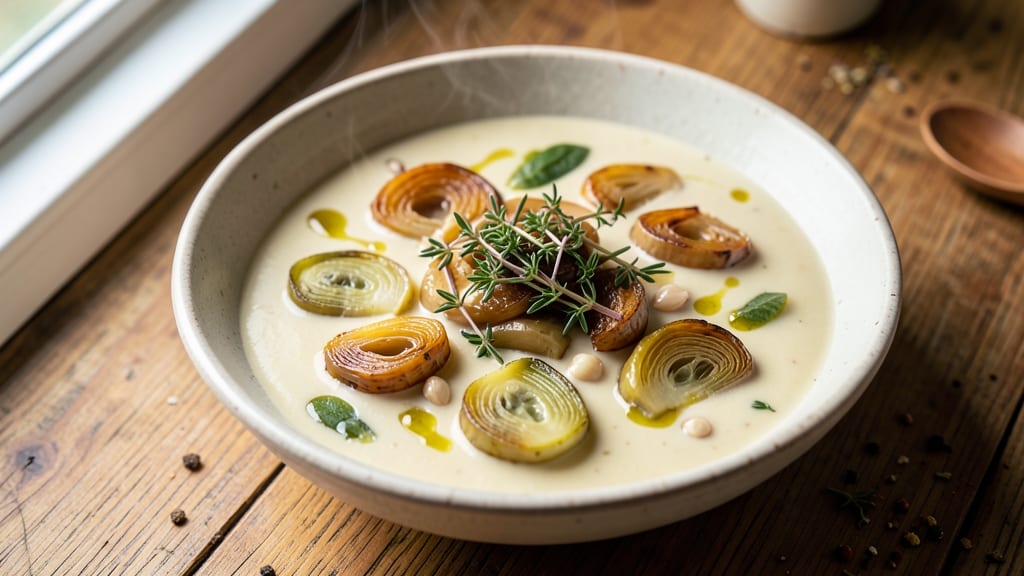
This artichoke soup recipe with canned artichokes transforms pantry staples into a restaurant-quality dish that's creamy, herby, and packed with tender artichoke bites. The secret lies in balancing the natural bitterness of artichokes with rich, velvety broth and aromatic herbs—a technique I've perfected after countless batches. What makes this recipe stand out is how it delivers professional results without requiring special ingredients or complicated methods.
Starting with canned artichokes eliminates the need for tedious preparation while still delivering that satisfying texture contrast between smooth soup and hearty artichoke chunks. Aromatics like garlic and onion form the flavor foundation, while a blend of fresh herbs and a touch of lemon brightens the dish.
The soup simmers long enough to develop deep flavor but remains simple enough for a weeknight dinner.
By the time you're done, you'll have a velvety soup with just the right amount of chunkiness from the artichokes, all balanced by a rich, herby broth.
The aroma alone will have everyone gathering at the table—this is the kind of comforting meal that tastes like it took hours to prepare, even though it comes together in about 45 minutes.
Perfect for chilly evenings or as a starter for special occasions, this soup pairs beautifully with crusty bread or a simple green salad.
The recipe also adapts easily to dietary preferences—swap chicken broth for vegetable broth for a vegetarian version, or add a splash of coconut milk for a vegan twist. Let's get cooking!
Ingredients for artichoke soup recipe with canned artichokes
Pantry staples and fresh herbs combine to create this velvety artichoke soup with perfect chunky texture.
| Ingredient | Amount | Notes |
|---|---|---|
| Canned Artichoke Hearts 🍃 | 14 oz | Drained and quartered for chunky texture |
| Vegetable Broth 💧 | 4 cups | Low-sodium preferred for flavor control |
| Yellow Onion 🧅 | 1 whole | Diced into 1/4-inch pieces |
| Garlic Cloves 🧄 | 4 cloves | Minced for aromatic foundation |
| Extra-Virgin Olive Oil 🫒 | ¼ cup | For sautéing aromatics |
| Fresh Thyme Leaves 🌿 | ½ tsp | Or 1/4 tsp dried thyme |
| Fresh Rosemary Leaves 🌿 | ¼ tsp | Chopped finely for herbal depth |
| Heavy Cream 🧈 | 1 cup | Full-fat for velvety texture |
| Lemon Juice 🍋 | 1 tbsp | Freshly squeezed for brightness |
| Salt 🧂 | 1 tsp | Diamond Crystal preferred |
| Black Pepper 🌶️ | ½ tsp | Freshly cracked for heat |
| Grated Parmesan Cheese 🧀 | ¼ cup | Freshly grated for serving |
| Fresh Parsley Leaves 🌿 | ¼ cup | Chopped for garnish |
| Chicken Fat or Butter 🧈 | 2 tbsp | For sautéing onions (optional) |
The quality of your broth and herbs makes all the difference here. For the broth, Pacific Foods or Imagine brands offer the richest flavor without excess sodium. Fresh thyme and rosemary should be vibrant and fragrant—avoid wilted stems. If you're using canned artichokes, Muir Glen or Del Monte brands provide the most tender hearts. For the Parmesan, grate it yourself—pre-grated contains anti-caking agents that make it taste like sawdust. The key to balancing bitterness is the lemon juice, so always use freshly squeezed rather than bottled.
No fresh herbs? Dried thyme and rosemary work at half the amount, though fresh delivers superior flavor. Substituting heavy cream? Full-fat coconut milk creates a vegan version, though the texture will be slightly lighter. For a vegetarian adaptation, ensure your broth contains no meat derivatives—Pacific Foods Vegetable Broth is a reliable choice. The artichokes can be swapped for fresh artichoke bottoms if you're willing to trim and boil them first, though canned saves significant prep time. If you prefer a smoother texture, blend half the soup before serving—just leave some chunks for contrast.
This soup reheats beautifully—simply warm on the stove with an extra splash of broth to restore creaminess. Store in an airtight container in the refrigerator for up to 4 days, though the flavor peaks within the first two days. For longer storage, freeze portions in 1-cup containers—they'll keep for 3 months. The garnish of Parmesan and parsley can be added fresh when serving, ensuring maximum aroma and presentation. To serve, ladle into bowls and top with a drizzle of olive oil for extra richness—a technique professional chefs use to elevate simple dishes.
Why You'll Love This Recipe
- No Chopping Nightmare: I swear by this recipe because the canned artichokes and pre-minced garlic mean I only dice one onion—one—and that’s it. The broth just needs a quick simmer, so I’m stirring while scrolling through my phone, not stressing over prep.
- Umami Bomb: That first spoonful? Rich, briny, and bright all at once. The artichokes stay tender but hold their shape, while the garlic and olive oil add this deep, savory punch—like a hug in a bowl, but with more vegetables.
- Weeknight to Potluck: I make this for lazy Tuesdays (just add a sprinkle of Parmesan) or bring it to gatherings (it’s fancy enough to impress, but foolproof). The leftovers? Even better the next day—thicker, more concentrated flavor, and still just as easy to reheat.
- Budget Magic: Canned artichokes and broth stretch this into four servings for pennies. I’ve fed my whole family plus a neighbor with one batch, and the cost per bowl is criminally low. (Yes, even on a teacher’s salary.)
Step-by-step instructions for artichoke soup with canned artichokes
This method delivers a velvety herb-infused soup with satisfying artichoke chunks every time.
Sauté Aromatics Until Fragrant
Heat the 2 tablespoons chicken fat or butter in a large pot over medium heat. Add the 1 whole yellow onion and cook for 5-6 minutes until softened and translucent. You'll notice the onions begin to caramelize slightly at the edges—that's when you know they're ready for the next step.
Add the 4 cloves garlic cloves and cook for 30 seconds until fragrant but not browned. Here's the thing—garlic burns quickly, so keep your eye on the pot. Immediately add the 0.5 teaspoon fresh thyme leaves and 0.25 teaspoon fresh rosemary leaves, stirring to combine. These herbs will infuse the soup with their bright, earthy notes throughout the cooking process.
Build the Herb-Infused Broth Base
Pour in the 4 cups vegetable broth and bring to a gentle boil. Reduce heat to medium-low and let it simmer for 10 minutes to allow the flavors to meld. This simmering step is crucial—it develops the herbal depth that makes this soup exceptional.
While the broth simmers, quarter the 14 ounces canned artichoke hearts into ½-inch chunks using kitchen shears. This size ensures you get those satisfying artichoke bites without overwhelming the velvety texture. Add the artichoke chunks to the pot and simmer for another 8-10 minutes until they're heated through and the broth has reduced slightly.
Finish with Cream and Acid Balance
Temporarily remove the pot from heat and stir in the 1 cup heavy cream. Return to low heat and simmer gently for 3-4 minutes just to warm through—never boil the cream or it will curdle. This is where the soup transforms from savory to luxuriously velvety.
Add the 1 tablespoon lemon juice and 1 teaspoon salt. The acidity brightens all the flavors while the salt enhances the umami from the artichokes. Taste and adjust seasoning with black pepper if needed—this is your chance to fine-tune the balance before serving.
Garnish and Serve Immediately
Ladle the soup into bowls and immediately top each serving with 1 tablespoon grated parmesan cheese and 1 tablespoon chopped fresh parsley leaves. The parmesan adds a salty, nutty contrast while the parsley provides a fresh herbal finish. Serve with crusty bread to soak up every last drop of that velvety broth.
This soup tastes best when served immediately while the cream is still silky and the artichokes maintain their satisfying bite. If storing, refrigerate for up to 3 days—just remember to reheat gently over low heat and stir in a splash of cream or broth if it thickens too much.
Pro Tips For Making Artichoke Soup Recipe With Canned Artichokes
- CRISPY ARTICHOKES FIRST: Drain and rinse the canned artichoke hearts, then pat them very dry with paper towels before adding to the soup. The extra moisture in the can will turn your soup into a sad, watery mess—this guarantees texture.
- SWEAT THE ONION LOW: Cook the diced onion in olive oil over medium-low heat until it’s translucent but not browned—about 8-10 minutes. I used to rush this, and the soup always tasted raw and bitter. Patience here makes the flavor sing.
- SALT THE BROTH LATE: Hold off on adding salt until the very end, even if the broth label says it’s low-sodium. Canned artichokes pack a surprising amount of hidden salt, and you’ll end up with a dish that’s either bland or overpowered.
- BLEND IN BATCHES: If your soup is thick, pulse it in the blender in 2-3 portions instead of all at once. I learned this after overfilling my blender and nearly drowning in artichoke puree—less mess, and the texture stays silky.
Wine and beer pairings for this recipe
White Wine Pairings
For this herby artichoke soup, I always reach for a crisp Italian white wine like Vermentino from Sardinia or Pinot Grigio from Alto Adige. These wines have bright acidity that mirrors the lemon in the soup while their mineral notes complement the artichokes' earthy flavor.
Serve slightly chilled—around 48-50°F—to let the wine's crispness cut through the richness. 🍷
Light Beer Options
A Belgian witbier like Hoegaarden or a German Helles lager pairs beautifully with this soup. The citrusy coriander notes in witbiers echo the lemon in the recipe, while the malty sweetness of Helles balances the artichokes' subtle bitterness.
For a local option, try a crisp American lager like Budweiser—its clean finish won't overpower the delicate flavors. 🍺
Red Wine Alternatives
If you prefer red, go for a light-bodied Pinot Noir from Oregon or a Chianti Classico from Tuscany. These wines have enough acidity to stand up to the creaminess while their earthy undertones harmonize with the rosemary and thyme.
Let the wine breathe for 15-20 minutes before serving to soften its tannins. 🍇
Non-Alcoholic Pairings
For a refreshing non-alcoholic option, try sparkling water with lemon slices—the effervescence cleanses your palate between bites. Or serve iced hibiscus tea (available at Latin markets) for a tart, floral contrast. A sparkling apple cider with cinnamon adds warmth that complements the soup's herbal notes. 💧
Pro Pairing Tip
Always serve wine slightly cooler than room temperature—about 5-10°F cooler**—to preserve its freshness. For beer, aim for 40-45°F to highlight its crispness. I like to pour a small glass alongside each bowl so guests can sip as they enjoy the soup's velvety texture. 💡
Nutrition facts
Frequently asked questions
Can I use frozen artichoke hearts instead of canned?
Yes, but thaw them first in the refrigerator overnight. Frozen artichokes work well, though canned offers more consistent texture and flavor. If using frozen, drain them thoroughly after thawing to prevent excess moisture in your soup.
How do I make this soup vegetarian or vegan?
For vegetarian, use vegetable broth instead of chicken broth. For vegan, replace the heavy cream with 1 cup full-fat coconut milk and add 1/2 teaspoon nutritional yeast for depth. The soup will still be creamy but slightly lighter in texture.
Why does my soup taste bitter?
Artichokes naturally contain bitterness, but adding more lemon juice (try 2 tablespoons) and fresh herbs helps balance it. If the bitterness persists, reduce the simmer time slightly—overcooking can intensify the flavor. Always use fresh, high-quality artichokes for the best taste.
Can I prepare this soup ahead of time?
Store in an airtight container in the fridge for up to 3 days. When reheating, warm gently on low heat and stir in a splash of broth or cream to restore creaminess. For longer storage, freeze portions in 1-cup containers for up to 3 months.
What's the best way to serve this soup?
Garnish with freshly grated Parmesan cheese and chopped parsley right before serving. Pair with crusty bread, a simple green salad, or grilled cheese sandwiches. For extra richness, drizzle with high-quality olive oil before serving.