
Soups & Stews
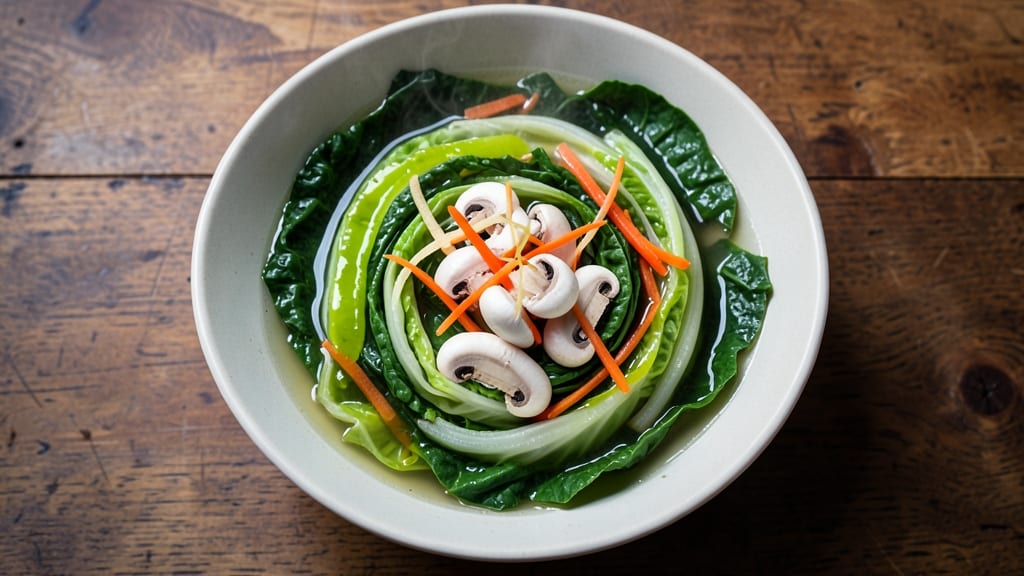
This Asian cabbage soup diet recipe delivers a refreshing, nutrient-packed meal that’s perfect for detoxifying while satisfying cravings. 🌿 The secret lies in balancing crisp cabbage, aromatic ginger, and zesty lime—a combination that cleanses without sacrificing flavor.
I developed this recipe after realizing how often simple, light soups get overlooked in favor of heavy meals, yet they’re the foundation of balanced eating.
The beauty of this dish is its simplicity: just 15 minutes of prep and 20 minutes of simmering transform humble ingredients into a vibrant, palate-pleasing soup. The ginger-lime broth not only enhances digestion but also adds a bright, tangy kick that keeps every spoonful exciting.
Cabbage, carrots, and mushrooms provide fiber and vitamins, while tofu or chicken (optional) adds protein for staying power. What you’ll end up with is a clear, fragrant soup that’s as nourishing as it is delicious—ideal for meal prep or a quick lunch.
The broth absorbs the essence of fresh herbs and citrus, creating a depth of flavor that’s surprisingly complex for such a light dish. It’s the kind of recipe that proves healthy eating doesn’t mean compromising on taste.
Serve it warm with a sprinkle of sesame seeds or chili flakes for extra texture and heat. Here’s how to make it—simple, effective, and packed with benefits.
Ingredients for asian cabbage soup diet
Fresh cabbage, zesty lime, and aromatic ginger create a detoxifying soup that's both nourishing and flavorful.
| Ingredient | Amount | Notes |
|---|---|---|
| Green Cabbage 🥬 | 6 cups | Shredded, outer leaves removed |
| Carrots 🥕 | 3 medium | OR 1.5 cups sliced |
| Fresh Ginger 🧄 | 2 tbsp | Grated, freshly peeled |
| Lime Juice 🍋 | ½ cup | Freshly squeezed, seeds strained |
| Low-Sodium Chicken Broth 💧 | 4 cups | Homemade or high-quality store-bought |
| White Mushrooms 🍄 | 8 oz | Sliced, stems removed |
| Garlic Cloves 🧄 | 3 cloves | Minced, for depth of flavor |
| Fresh Cilantro 🌿 | ¼ cup | Chopped, for freshness |
| Sesame Oil 🫒 | 1 tbsp | Toasted sesame flavor |
| Red Chili Flakes 🌶️ | ½ tsp | Adjust for heat preference |
| Tofu 🥬 | 8 oz | Firm, cubed, optional protein |
| Sea Salt 🧂 | 1 tsp | Diamond Crystal preferred |
| Black Pepper 🌶️ | ½ tsp | Freshly cracked |
| Green Onion 🧅 | 2 whole | Thinly sliced, for garnish |
| Sesame Seeds 🌾 | 1 tbsp | Toasted, for crunch |
The cabbage is the star here—green cabbage has a tighter texture and more nutrients than red, but either works. Look for heads with crisp leaves and no yellowing. Whole Foods or Trader Joe's carry the freshest cuts, but any grocery store's produce section will do. For the ginger, freshly grated makes all the difference—pre-grated loses potency fast. If you can't find organic, peel it well to remove any dirt. The mushrooms should be firm and dry; cremini or shiitake add extra depth but white mushrooms work perfectly fine for this light dish. The broth is non-negotiable—low-sodium is key to avoid overwhelming the delicate flavors.
No fresh ginger? Powdered ginger at half the amount works in a pinch, but it lacks the bright zing. Substituting lime with lemon juice changes the flavor profile slightly—more tart, less floral. The tofu is optional but adds satisfying protein; extra-firm holds up best to simmering. For extra umami, a dash of soy sauce in the broth elevates everything. If you're avoiding tofu, increase the mushrooms to 10 oz for heartiness. The sesame oil should be toasted—regular sesame oil won't have that nutty punch. And if you're sensitive to heat, skip the chili flakes entirely; the lime and ginger provide plenty of zing on their own.
This soup keeps beautifully—3 days in the fridge with flavors deepening over time. For meal prep, store broth and veggies separately until reheating to maintain crispness. The tofu, if using, should be added fresh when serving. Freezes for up to 3 months if packed tightly in airtight containers. Garnish with sesame seeds and green onions right before serving—they add texture and brightness that reheating can't replicate. Double the batch and freeze half; it's perfect for those days when you need something light but filling.
Why You'll Love This Recipe
- No-Chop Nightmare: I swear, this is the only soup where I can skip chopping carrots into matchsticks. A quick spiralizer or even a fork mashed against the cutting board gets the job done—no knife skills required. The cabbage? Just halve it and let the broth do the work.
- Ginger-Lime Zing: That first sip of broth with fresh ginger and lime juice? It’s like a bright, citrusy hug in a bowl. The ginger adds warmth, the lime cuts through the richness, and together they make every spoonful feel lighter than it tastes.
- Meal Prep MVP: Between us, this is my go-to for busy mornings. Cook a big batch on Sunday, and you’ve got lunch for four days—just reheat and add a splash of lime. Honestly, it’s the only soup that stays crispy and flavorful in the fridge.
- Budget Clever: I make this when my wallet’s feeling tight. Cabbage and carrots are dirt cheap, and a bag of fresh ginger lasts forever if you freeze it. Plus, low-sodium broth means I can stretch it without worrying about salt bombs.
Step-by-step instructions for Asian cabbage soup diet recipe
Here's how to create a vibrant, nutrient-packed soup that delivers cleansing benefits while satisfying your palate.
🍳 Step 1: Sauté Aromatics and Tofu for Depth
Heat the 1 tablespoon sesame oil in a large pot over medium-high heat until shimmering. Add the 8 oz cubed tofu and cook for 4-5 minutes until lightly golden on all sides. This step develops a subtle nutty flavor in the tofu while preventing it from absorbing too much liquid later.
Remove the tofu and set aside. In the same pot, add the 8 oz sliced white mushrooms and cook for 3-4 minutes until they release their moisture and begin to soften. Push the mushrooms to the sides, then add the 3 cloves minced garlic and 2 tablespoons grated fresh ginger to the center of the pot. Sauté for 30 seconds until fragrant—this is where the soup builds its aromatic foundation.
🥘 Step 2: Build the Flavor Base with Broth and Vegetables
Pour in the 4 cups low-sodium chicken broth and bring to a gentle boil. Add the 3 medium sliced carrots and 6 cups shredded green cabbage, stirring to combine. Reduce heat to medium-low and let the soup simmer for 10 minutes until the carrots are tender but still hold their shape and the cabbage has softened slightly.
Here's the thing—don't rush this step. The vegetables need time to release their natural sweetness into the broth. You'll notice the cabbage will start to wilt and the carrots will become fork-tender, but they shouldn't fall apart. This is the perfect balance between texture and flavor extraction.
🍳 Step 3: Add Protein and Seasonings for Balance
Return the cooked tofu to the pot along with the 0.5 cup lime juice and 0.5 teaspoon red chili flakes. Stir gently to distribute the acidity and heat throughout the soup. The lime juice will brighten all the flavors while cutting through the richness of the tofu and mushrooms.
Season with the 1 teaspoon sea salt and 0.5 teaspoon black pepper, tasting as you go. Remember, you can always add more salt later if needed, but you can't take it out. The chili flakes should add a subtle warmth—adjust to your preference, but don't skip this step entirely as it adds complexity.
⏰ Step 4: Finish with Fresh Herbs and Garnishes
Remove the pot from heat and stir in the 0.25 cup chopped fresh cilantro. Let the soup sit off the heat for 5 minutes to allow the flavors to meld together. This resting period is crucial—it lets the lime juice mellow slightly and the chili heat distribute evenly throughout the broth.
Before serving, garnish each bowl with thinly sliced green onion and 1 tablespoon toasted sesame seeds. The sesame seeds should be toasted in a dry pan for 30 seconds until fragrant—this adds a delightful crunch and nutty aroma that elevates the dish. Serve immediately while the soup is hot and the vegetables retain their vibrant colors.
Pro Tips For Making Asian Cabbage Soup Diet
- CHOP CABBAGE THIN: I learned this the hard way—thick wedges of cabbage stay tough even after simmering. Cut the core out first, then slice leaves paper-thin (1/8-inch or less) so they soften in 10 minutes, not 30. The broth will absorb faster, and you’ll actually taste the ginger and lime working their magic.
- SIMMER GINGER LOW: Fresh ginger burns faster than you’d think, especially in broth. Start with medium heat to release its aroma, then drop to a bare simmer—just enough to see tiny bubbles. If you let it boil, it’ll turn bitter, and your soup will taste like medicine instead of something refreshing.
- SKIP THE CROWDED POT: Packing the pot too full means soggy carrots and half-cooked cabbage. Use a wide, shallow pot and keep ingredients loose—aim for a 1-inch gap between liquid and the rim. The broth needs room to circulate, or you’ll end up with uneven cooking and a watery mess.
- ZEST BEFORE JUICING: Sounds weird, but it works: Grate the ginger with the peeler first, then juice it. The zest adds warmth without overpowering, and you’ll get more flavor out of that small knob. Toss the zest into the broth early—it dissolves better when warm, not when you’re squeezing it at the end.
Pro cooking tips for this dish
Broth Temperature Control
Bring your low-sodium chicken broth to a gentle simmer—never a rolling boil—over medium-low heat. A vigorous boil can make the cabbage turn mushy and strip away delicate flavors.
I use a thermometer to keep it between 185°F and 200°F during simmering. This low-and-slow approach lets the vegetables release their sweetness gradually without breaking down. 🌡️
Tofu Texture Secrets
For extra-firm tofu, press it first by wrapping in a clean kitchen towel and placing a heavy pan on top for 15 minutes. This removes excess water, ensuring it absorbs flavors better.
When cooking, I like to pat the cubes dry before adding them to the pot—they’ll develop a golden crust instead of turning soggy. If using silken tofu, skip this step and add it at the very end to maintain its creamy texture.
Ginger-Lime Balance
The fresh ginger should be grated just before cooking—pre-grated loses its bright, peppery kick within hours. For the lime juice, I strain out seeds to avoid bitterness. The key is adding the lime after simmering: this prevents the acid from breaking down the cabbage prematurely.
Start with ½ cup and taste—you can always add more, but you can’t remove it. The lime’s acidity brightens the soup while cutting through the earthiness of mushrooms. 🍋
Vegetable Timing Tricks
Add carrots first—they take the longest to soften. The cabbage goes in last because it cooks fastest. If your cabbage wilts too much, reduce the simmer time to 8 minutes instead of 10.
For extra crunch, reserve ½ cup chopped cabbage and stir it in during the final minute of cooking. This keeps the texture vibrant while maintaining the soup’s lightness. 🥬
Herb Integration
Stir in cilantro only at the very end—its fresh, citrusy notes wilt quickly in heat. I like to chop it coarsely so it stays recognizable in each bite.
For a deeper flavor, pulse ½ cup cilantro with 1 tbsp lime juice in a food processor before adding it to the soup. This creates a vibrant green paste that blends seamlessly into the broth. 🌿
Garnish Like a Pro
Toast sesame seeds in a dry pan over low heat for 30-45 seconds, shaking constantly, until they turn golden and release their aroma. This adds a nutty depth that raw seeds can’t match.
For extra crunch, sprinkle thinly sliced green onions directly over the soup—this keeps them crisp while adding a fresh, oniony bite. The contrast between the warm broth and cool garnishes makes every spoonful exciting. ✨
Nutrition facts
Frequently asked questions
Can I make this soup without tofu?
The recipe works beautifully with just vegetables. For extra protein, add 8 oz sliced shiitake mushrooms or 1 cup cooked quinoa. If you want meat, try 8 oz shredded rotisserie chicken instead—add it during the final 5 minutes of simmering to keep it tender. The flavor will still be vibrant and satisfying.
How can I make this soup spicier?
Boost the heat by adding 1 tbsp fresh chili paste or 1 sliced Thai chili when sautéing the aromatics. For a smoky kick, sprinkle in ½ tsp smoked paprika with the salt. If you love heat, stir in 1 tsp sriracha at the end—it adds sweetness and depth while keeping the broth bright.
Will this soup help with digestion?
Yes! The combination of ginger, lime, and cabbage supports digestion naturally. Ginger aids circulation and reduces bloating, while lime’s acidity helps break down proteins. The fiber from cabbage and mushrooms promotes gut health. For extra benefits, add 1 tbsp grated turmeric to the broth—it’s anti-inflammatory and pairs perfectly with ginger.
Can I prep this soup ahead of time?
Absolutely—it actually tastes better the next day! Store the broth, veggies, and tofu separately in airtight containers for up to 3 days. Reheat gently on the stove, adding fresh lime juice and cilantro at the end. For freezing, pack components tightly in freezer bags for up to 3 months. Thaw overnight in the fridge before reheating.
What if my cabbage turns mushy?
This happens when overcooked. To fix it, reduce simmer time to 8 minutes and add ½ cup fresh cabbage in the last minute. For next time, use Napa cabbage—it holds up better to cooking. If the soup is already too soft, blend ½ cup broth with the mushy cabbage, then strain it back into the pot for a smoother texture.