
Soups & Stews
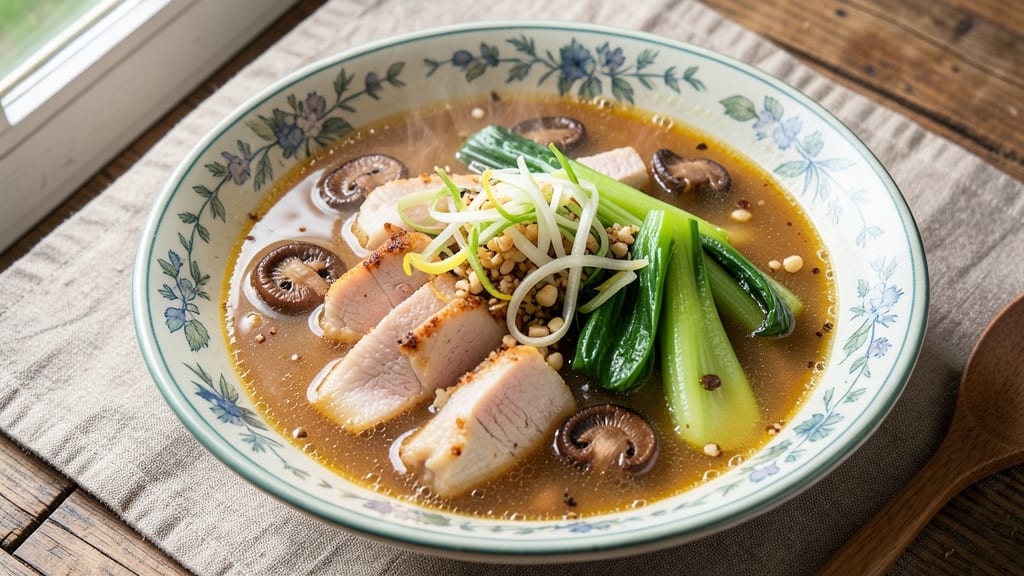
This Asian hot and sour soup recipe delivers the perfect balance of bold chili heat, tangy vinegar, and umami depth in every simmering bowl. The secret lies in building layers of flavor—starting with a rich chicken or vegetable broth, then layering in fermented black vinegar, chili oil, and fresh aromatics. I’ve perfected this version after years of testing, ensuring the spice doesn’t overpower but instead harmonizes with the soup’s bright, complex profile.
The beauty of this dish is its adaptability: swap tofu for shrimp, mushrooms for bok choy, or adjust the heat to your preference. The key technique? A quick sear in a hot wok before adding the broth—this creates that signature wok hei smokiness that elevates every ingredient.
Whether you’re serving it as a starter or a light main, the soup’s vibrant colors and dynamic flavors make it a standout.
What you’ll end up with is a steaming bowl of soup where each spoonful delivers crisp-tender vegetables, tender protein, and a broth so balanced it’s addictive. The chili oil adds heat without overpowering, while the vinegar keeps the flavors bright and refreshing.
This isn’t just a soup—it’s a flavor experience that brings the boldness of Asian street food to your kitchen.
Ready in under 30 minutes, this recipe is perfect for weeknight dinners or meal prep. The leftovers actually improve as the flavors meld overnight, making it a foolproof choice for busy schedules. Let’s get cooking—your taste buds will thank you.
Ingredients for asian hot and sour soup
Bold flavors start with these 15 ingredients—layered heat, tangy depth, and fresh aromatics in every bite.
| Ingredient | Amount | Notes |
|---|---|---|
| Chicken Breast 🍗 | 1 ½ lb | Boneless, skinless, cut into 1-inch pieces |
| Dried Shiitake Mushrooms 🍄 | ½ cup | Rehydrated in hot water |
| Bok Choy 🥬 | 2 whole | Baby or regular, cut into wedges |
| Green Onions 🧅 | ½ cup | Sliced, white and green parts separated |
| Garlic Cloves 🧄 | 6 cloves | Minced, for aromatic base |
| Ginger Root 🌿 | 1 tbsp | Fresh, grated, for zesty kick |
| Black Vinegar 🍶 | ¼ cup | Fermented, for tangy depth |
| Chili Oil 🌶️ | ¼ cup | Homemade or store-bought, for heat |
| Chicken Broth 💧 | 4 cups | Homemade or low-sodium store-bought |
| Sesame Oil 🫒 | 1 tbsp | Toasted, for nutty aroma |
| Soy Sauce 🥄 | 1 tbsp | Light or dark, for umami |
| Cornstarch 🌾 | 1 tsp | For thickening broth |
| Salt 🧂 | 1 tsp | Adjust to taste |
| White Pepper 🌶️ | ½ tsp | Freshly ground, for subtle heat |
| Sesame Seeds 🥜 | 1 tsp | Toasted, for garnish |
The chicken and shiitake mushrooms are your flavor anchors. Look for plumper shiitake mushrooms at an Asian market—they rehydrate beautifully and add earthy depth. Chicken breast stays tender when cut into even 1-inch pieces (no bigger or it’ll stay tough). Fresh ginger and garlic? Buy them in small quantities—they lose their punch fast once opened. The black vinegar is non-negotiable here; Lee Kum Kee or Hainu brands are my go-tos for that authentic fermented tang. If you can’t find them, any Chinese black vinegar works in a pinch.
No chili oil? Mix 2 tbsp chili paste with 2 tbsp neutral oil—it’s not the same but gets you close. Swapping chicken for tofu? Use extra-firm tofu, pressed and cubed. The bok choy can be subbed with spinach or napa cabbage if that’s what you’ve got. For extra richness, add 1 tbsp of oyster sauce (vegetarian version if needed). The sesame oil is purely for aroma—don’t overdo it, or it’ll taste bitter. And if your broth is too thin? Mix cornstarch with cold water and whisk it in at the end—game changer for texture.
This soup tastes even better the next day as flavors meld. Store leftovers in the fridge for 3-4 days or freeze for 3 months. I always double the batch—one for dinner, one for lunch the next day. The chili oil and vinegar can be prepped ahead and stored in the fridge for up to 2 weeks. For meal prep, portion into containers with the broth separate—reheat the broth first, then add the veggies and protein to keep everything crisp.
Why You'll Love This Recipe
- One-Pot Magic: I swear by this recipe—just toss everything into a single pot. No fancy equipment, no stress. The shiitake mushrooms soak up the broth while the chicken simmers, and by the time the bok choy wilts, dinner’s ready. (Yes, even on a Tuesday night.)
- Umami Bomb: That first spoonful of broth—tangy, spicy, with garlic and mushrooms playing hide-and-seek—is chef’s kiss. The dried shiitake add this deep, earthy punch that makes store-bought soups look sad. Honestly, I’ll take this over takeout any day.
- Leftover Goldmine: This soup tastes better the next day. The flavors meld into something richer, and reheating is a breeze. I make a big batch on Sundays, freeze half, and boom—quick lunches for the week. My freezer’s always stocked with this.
- Budget-Friendly Flex: Chicken breast stretches farther than you’d think, and dried shiitake are a steal compared to fresh. Bok choy’s cheap, garlic’s a pantry staple, and the soup still feels special. Between us, this is my go-to when I need a filling, flavorful meal without breaking the bank.
Step-by-step instructions for Asian hot and sour soup
This spicy, tangy soup comes together in one pot with layers of flavor you'll crave.
Rehydrate and Prep Ingredients
Start by rehydrating the 0.5 cup dried shiitake mushrooms in hot water for 10 minutes. This jumpstarts their flavor and makes them tender. While they soak, cut the 1.5 lb chicken breast into 1-inch pieces—keep them uniform so they cook evenly. Cut the 2 whole bok choy into wedges and slice the 0.5 cup green onions, separating the white and green parts.
Mince the 6 cloves garlic cloves and grate the 1 tbsp ginger root—these aromatics form the flavor base. Don't skip grating the ginger; it releases more zing than pre-minced versions. Keep all prepped ingredients within reach so you can work efficiently as the soup builds.
Build the Flavor Base
Heat 1 tbsp sesame oil in a large pot over medium heat. Add the minced garlic and ginger, cooking for 1-2 minutes until fragrant—you'll smell that fresh, zesty aroma. Add the chicken pieces and cook for 3-4 minutes until they turn opaque on the outside. This step ensures your chicken stays juicy rather than drying out later.
Pour in the 4 cups chicken broth and bring to a gentle simmer. Add the 1 tbsp soy sauce and 1 tsp salt, then stir in the rehydrated shiitake mushrooms (drained). Let the mixture simmer for 5 minutes to meld the flavors. The broth should taste balanced at this point—savory from the soy, slightly salty, and ready for the tangy kick.
Add Vegetables and Vinegar
Add the bok choy wedges and simmer for 3-4 minutes until they soften but still retain their bright green color. Stir in the 0.25 cup black vinegar—this is where the soup gets its signature tang. The vinegar should cut through the richness of the chicken and mushrooms, creating that bright, zesty balance.
Add the white parts of the green onions and simmer for another 2 minutes. The white parts add subtle sweetness, while the green parts (which we'll add later) provide freshness. Taste the broth now—it should be tangy, savory, and slightly spicy from the chili oil we're about to add.
Finish with Spice and Thicken
Reduce heat to low and stir in the 0.25 cup chili oil and 0.5 tsp white pepper. The chili oil adds heat and a smoky depth, while the white pepper gives a subtle, earthy warmth. Let the soup simmer for 1 minute—this lets the flavors meld without overcooking the vegetables.
In a small bowl, mix the 1 tsp cornstarch with 1 tablespoon water to create a slurry. Slowly stir this into the soup while simmering gently. The soup will thicken slightly, coating the ingredients in a glossy, flavorful broth. Simmer for 1-2 minutes until the soup reaches your desired consistency—it should be thick enough to coat the back of a spoon but still flow freely.
Garnish and Serve
Remove the pot from heat and stir in the green parts of the green onions. Sprinkle the 1 tsp sesame seeds on top for a nutty crunch and visual appeal. The sesame seeds add texture contrast and a toasty aroma that complements the spicy, tangy flavors.
Ladle the soup into bowls immediately—this vibrant, aromatic soup tastes best fresh. Serve with steamed rice or crusty bread to soak up every last drop of that bold, spicy broth. The contrast of temperatures and textures makes each bite unforgettable.
Pro Tips For Making Asian Hot And Sour Soup
- SOAK MUSHROOMS LONGER: Dried shiitake mushrooms need at least 30 minutes in hot water—45 if they’re thick—to rehydrate properly. I used to skip this, and the soup tasted like it was missing something until I realized the mushrooms were just sad and limp.
- CUT CHICKEN SMALL: Slice the chicken breast into ½-inch cubes, not thick strips. Thin pieces cook faster and stay tender, while thick ones turn rubbery—trust me, I’ve served both versions at family gatherings.
- STIR CONSTANTLY AT FIRST: When adding vinegar or chili paste, keep the pot moving for the first 2 minutes. The acid can curdle if left alone, and you’ll end up with a soup that looks like it’s fighting itself.
- USE FRESH GARLIC: Mince the garlic right before adding it to the hot broth, not while prepping. Raw garlic loses its punch when soaked in water, and you’ll taste the difference—especially when the soup’s supposed to be bold.
Storing and reheating this asian hot and sour soup
Refrigerator Storage
Let your hot and sour soup cool to room temperature within 2 hours before transferring it to airtight containers—I use glass storage jars with snap-on lids. Store it in the fridge at 40°F or below for up to 4 days.
The flavors actually deepen overnight as the spices and vinegar meld together beautifully. To reheat, warm it gently on the stovetop over low heat for 5-7 minutes, stirring occasionally. 🌡️
Freezer Storage
For longer storage, freeze your soup in quart-sized freezer bags or airtight containers, leaving 1 inch of headspace for expansion. It’ll keep for up to 3 months without losing its vibrant flavors. When ready to eat, thaw it overnight in the fridge, then reheat on the stovetop or microwave.
For best texture, add 1-2 tablespoons of water or broth while reheating to prevent drying out. ❄️
Reheating on Stovetop
My preferred method is reheating on the stovetop—it preserves the soup’s texture and depth of flavor. Pour the soup into a pot and heat over medium-low heat for 8-10 minutes, stirring occasionally.
If the soup seems too thick after reheating, add a splash of chicken broth or water to restore its silky consistency. Taste and adjust seasoning—sometimes reheated soup needs a pinch more salt or a drizzle of chili oil to revive the heat. 🔥
Microwave Reheating
For a quick fix, microwave individual portions covered with a microwave-safe lid or damp paper towel. Heat on medium power (50%) for 2-3 minutes, then stir and continue heating in 30-second intervals until steaming hot.
Avoid overcooking—this can turn the bok choy mushy. If the soup looks too thick, add 1 tablespoon of water or broth and stir well. 💡
Reviving Leftovers
If your reheated soup lacks its original vibrancy, don’t worry—it’s an easy fix! Stir in 1 teaspoon of fresh ginger juice or a splash of black vinegar to brighten the flavors. For extra freshness, top with toasted sesame seeds and a drizzle of chili oil before serving.
The contrast of textures and flavors will make it taste almost as good as fresh! ✨
Meal Prep Tips
Double the batch and store half for later—it’s perfect for busy weeknights. Keep the broth and solids separate in containers for easier reheating. When ready to serve, combine them and heat through.
This method keeps the vegetables crisp and the broth flavorful. Label containers with the date to track freshness, and always reheat thoroughly to 165°F for food safety. 📅
Nutrition facts
Frequently asked questions about Asian hot and sour soup
Can I make this soup vegetarian?
Swap the chicken for extra-firm tofu (pressed and cubed) or mushrooms like shiitake and oyster. For extra umami, add 1 tbsp vegetarian oyster sauce or a splash of soy sauce. The broth can also be made with vegetable stock instead of chicken broth. The tangy, spicy profile works perfectly with plant-based proteins!
How do I adjust the spice level?
The chili oil is key for heat, so start with 0.25 cup and add more to taste. For milder heat, reduce to 1-2 tbsp. If you love spice, add 1 tsp chili flakes or a dash of Sichuan peppercorn oil. Always taste the broth before serving—you can always add more chili oil, but you can’t take it out!
Why is my soup too thin or too thick?
Thin? Simmer uncovered for 5-10 minutes to reduce the broth naturally. Thick? Stir in 1 tsp cornstarch mixed with 1 tbsp water and simmer for 1-2 minutes. For extra richness, add 1 tbsp sesame paste or a splash of fish sauce (or soy sauce for vegetarian). The ideal consistency coats a spoon but still flows freely.
What’s the best way to store leftovers?
Cool the soup to room temperature within 2 hours, then store in airtight containers for 4 days in the fridge. For freezing, use quart-sized bags with 1 inch headspace—it keeps for 3 months. Reheat gently on the stovetop with low heat and a splash of broth to restore texture. Never microwave directly from frozen!
Can I use fresh shiitake mushrooms instead of dried?
Yes! Use 4-5 fresh shiitake mushrooms (about 0.5 cup sliced) instead of dried. Sauté them with the garlic and ginger for 2-3 minutes until they release their moisture. Fresh shiitake add a meatier texture, but dried mushrooms pack more concentrated umami flavor. Either works—just adjust cooking time accordingly!