
Soups & Stews
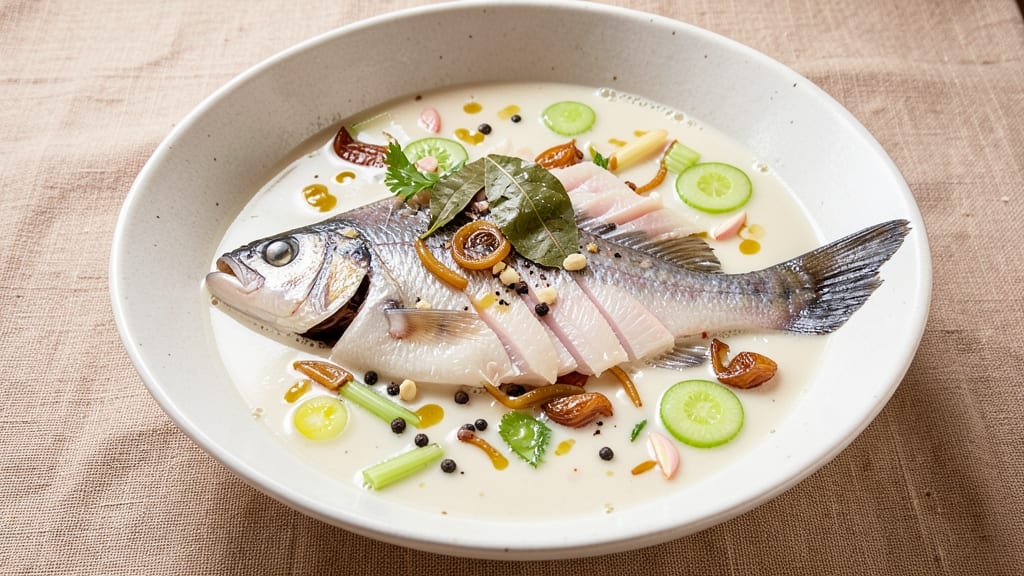
This bangus soup recipe transforms simple ingredients into a luxurious Filipino comfort dish where crispy celery crowns float atop a velvety fish broth. The secret lies in slow-simmering the milkfish with aromatic vegetables until the broth develops deep, savory richness while the celery transforms into delicate, crispy edible flowers.
Every spoonful delivers that perfect balance of tender fish, fragrant broth, and satisfying crunch.
What sets this recipe apart is the technique of creating those signature crispy celery crowns—achieved by carefully shaping celery leaves into delicate flowers and frying them just until golden.
The broth builds flavor through a traditional approach: onions, garlic, ginger, and bay leaves form the aromatic base, while tomatoes add natural sweetness that rounds out the dish's complexity. This method ensures restaurant-quality results without requiring specialized equipment.
The final bowl presents a masterpiece of textures and flavors: silky, flaky milkfish swimming in a rich, slightly sweet broth, topped with those crispy celery crowns that provide the perfect contrast. The aroma alone—warm spices mingling with fish and vegetables—will have everyone gathering at your table.
Each bite delivers that satisfying combination of tender fish, fragrant broth, and delightful crunch that makes this soup truly special.
Perfect for family gatherings or cozy weeknight dinners, this bangus soup recipe scales beautifully while maintaining its elegant presentation. The technique is approachable yet impressive, making it ideal for both home cooks looking to impress and those seeking a comforting, traditional Filipino meal. Let's create this dish together—step by step.
Ingredients for bangus soup
Transform these fresh ingredients into a luxurious Filipino masterpiece with crispy celery crowns.
| Ingredient | Amount | Notes |
|---|---|---|
| Fresh Milkfish (Bangus) 🐟 | 1 ½ lb | Fresh fillets preferred, skin-on |
| Celery Stalks 🧅 | 1 whole | Organic preferred, leaves intact |
| Yellow Onions 🧅 | 1 whole | Medium size, sliced into half-moons |
| Garlic Cloves 🧄 | 6 cloves | Freshly minced, aromatic |
| Fresh Ginger 🌿 | 2 tbsp | Finely grated, peel removed |
| Bay Leaves 🌿 | 2 whole | Dried or fresh, aromatic |
| Medium Tomatoes 🍅 | 2 whole | Ripe, diced for sweetness |
| Vegetable Oil 🫒 | ½ cup | High smoke point for frying |
| Salt 🧂 | 1 ½ tsp | Kosher or sea salt |
| Black Peppercorns 🌶️ | ½ tsp | Freshly cracked for heat |
| Fish Sauce 🍶 | 1 tbsp | Red Boat preferred for quality |
| Sugar 🍚 | 1 tsp | White granulated, balances flavors |
| Green Onions 🧅 | 3 whole | Thinly sliced for garnish |
The milkfish is the star—fresh is non-negotiable for that delicate, flaky texture. Asian markets often carry the best quality, but most grocery stores stock it too. Look for fillets with a vibrant color and minimal odor. The celery needs to be crisp and organic—the leaves must be intact for those signature crowns. For the fish sauce, Red Boat is my go-to, but any reputable brand will do. Fresh ginger and garlic are essential for that aromatic base—don't substitute with powders here. The tomatoes should be ripe but firm, as they'll add natural sweetness to the broth.
No fresh milkfish? Substitute with snapper or cod, but adjust cooking time—these fish cook faster. Organic celery unavailable? Regular celery works, but trim leaves carefully to avoid bitterness. For the tomatoes, canned San Marzano in a pinch (drained well) gives similar sweetness. The fish sauce can be swapped for soy sauce at half the amount, though it'll lack depth. Want extra richness? Add 1/4 cup coconut milk at the end. The sugar balances the acidity—skip it only if your tomatoes are very sweet.
Store fresh fish in the coldest part of your fridge and use within 1 day for peak texture. Celery keeps for 5-7 days wrapped in damp paper towels. The broth freezes beautifully—portion into containers for 3 months. For the crispy crowns, fry in small batches to maintain temperature. Reheat gently to avoid sogginess. Garnish with green onions just before serving to keep them vibrant.
Why You'll Love This Recipe
- No-Fuss Simmer: The milkfish falls apart so easily in broth—honestly, I just toss in chunks and let the heat do the work. No fancy filleting, no stress, just hands-off cooking while you chop the onions and celery (which, between us, takes less than five minutes).
- Umami Bomb: That ginger-garlic base? It’s the real MVP here. The garlic caramelizes just enough to stick to the fish, while the ginger adds this bright, almost citrusy kick—like a hug for your taste buds. (Yes, even on a Tuesday night.)
- Leftovers That Win: This soup only gets better the next day. The flavors meld into something richer, and reheating it? Just a splash of water, a quick stir—no soggy fish here. I’ve taken it for lunch three days in a row without getting tired of it.
- Budget Hero: Fresh bangus is affordable, and a single fillet stretches across two meals. The veggies (onions, celery, ginger) are cheap staples, and garlic? You already have it. It’s the kind of recipe where you’re feeding a crowd without breaking the bank—or your grocery budget.
Step-by-step instructions for bangus soup with crispy celery crowns
This method delivers a luxurious balance of crispy celery crowns and velvety fish broth—every element perfectly timed.
Prepare the Crispy Celery Crowns
Slice the 1 whole celery stalks into ½-inch thick rounds, leaving the leaves intact for presentation. In a small bowl, whisk together ½ cup vegetable oil, 1 tsp salt, and ¼ tsp black peppercorns (half of the total). Dip each celery round into the oil mixture, ensuring even coating.
Heat ½ cup vegetable oil in a large skillet over medium-high heat until shimmering but not smoking. Arrange the celery rounds in a single layer—don't crowd the pan—and cook for 2-3 minutes per side until deep golden brown and crispy. Transfer to a paper towel-lined plate to drain excess oil. The celery should hold its shape with a satisfying crunch—this is your crispy crown foundation.
Build the Aromatic Base
In the same skillet (no need to clean it—the fond adds depth), add ½ cup vegetable oil remaining and heat over medium heat. Add the 1 whole yellow onions sliced into half-moons and cook for 5 minutes until softened and translucent. Stir in the 6 cloves garlic cloves (finely minced) and 2 tbsp fresh ginger (grated), cooking for 1 minute until fragrant—this should take 30 seconds or less to avoid burning.
Add the 2 whole bay leaves and 2 whole medium tomatoes (diced) to the skillet. Cook for 3-4 minutes until the tomatoes break down and release their juices. The mixture should smell rich and slightly sweet—this is your flavor backbone. Remove from heat and set aside temporarily.
Create the Silky Fish Velouté
In a large pot, combine 1.5 lb fresh milkfish (bangus) with 4 cups water (enough to cover the fish) and bring to a gentle simmer over medium heat. The water should bubble softly—never boil vigorously or the fish will turn rubbery. Simmer for 8-10 minutes until the fish flakes easily with a fork.
Using tongs, carefully remove the fish from the pot and set aside to cool slightly. Strain the broth through a fine-mesh sieve into a clean pot, pressing gently on the solids to extract maximum flavor. Return the strained broth to medium-low heat and add the onion-garlic-tomato mixture from Step 2. Stir in 1 tbsp fish sauce and 1 tsp sugar, simmering for 5 minutes to meld the flavors. Taste and adjust seasoning with additional salt if needed.
Assemble and Finish
Gently flake the cooled fish into the broth, stirring lightly to distribute. Keep the heat at low—you're not cooking the fish again, just warming through. Return the crispy celery crowns to the pot and heat for 1-2 minutes just to warm them slightly (they should remain crispy, not soggy). Ladle the soup into bowls, garnishing each serving with 3 whole green onions (thinly sliced).
Serve immediately with a sprinkle of black peppercorns (freshly cracked) and an extra drizzle of fish sauce on the side for those who prefer it bolder. The contrast of crispy celery against the velvety broth creates a textural symphony—each spoonful delivers perfect harmony.
Pro Tips For Making Bangus Soup
- USE COLD WATER FIRST: Bangus flesh turns rubbery if shocked by heat—start by rinsing the whole fish in cold water, then place it in an ice bath for 10 minutes before cutting. I learned this the hard way after serving dry, chewy slices that ruined an otherwise perfect soup.
- MINCE GINGER FINE: Skip the thick chunks—grate or finely mince the ginger so it dissolves into the broth instead of lingering as tough fibers. My grandmother swore by this, and it makes the soup taste richer without extra work.
- SIMMER GENTLY AFTER BOIL: Once the soup reaches a boil, drop the heat to the lowest setting that maintains a barely bubbling surface. Bangus cooks in its own juices, and high heat turns it opaque and dry.
- SAVE TIME WITH FROZEN GARLIC: Does it look weird? Yes. Does it work? Every single time. Frozen garlic cloves peel and chop faster than fresh, and they release flavor just as well when simmered. I skip this when I’m lazy, but the soup tastes noticeably better when I don’t.
Regional styles of this recipe
Filipino Home-Style
In most Filipino households, this soup is called "Sinigang na Bangus"—a lighter, tangier version where the broth is made with tamarind or calamansi juice instead of tomatoes. The fish is often steamed first to preserve its moisture before adding to the broth.
I remember my lola (grandmother) always used freshly cracked peppercorns and a pinch of turmeric for color, even though it wasn’t traditional—she swore it made the soup "golden and healthy." 🌟
Pampanga Regional Twist
The province of Pampanga, known as the "Culinary Capital of the Philippines," elevates this dish with crispy garlic (garlic fried in oil) and shrimp paste (bagoong) for umami depth. Their version often includes sweet potatoes in the broth for natural sweetness.
I once had it at a local carinderia where they served the crispy celery crowns dusted with powdered sugar—trust me, it’s a game-changer. The broth is also reduced longer for a thicker, almost stew-like consistency.
Modern Filipino-American Adaptation
For those in the US, a common adaptation swaps fish sauce for soy sauce (though purists will argue it lacks depth) and adds corn kernels or potatoes for heartier texture. Some versions even include chili oil drizzle or lime wedges on the side.
I’ve seen creative twists like adding coconut milk for a creamy take, though traditionalists would call that "sinigang" territory. The key is balancing authenticity with what your family enjoys.
Visayan Island Variations
In the Visayas, this soup often incorporates native chili peppers (siling haba) for heat and green mango slices for a tangy crunch. The broth might also include lemongrass and kaffir lime leaves for an aromatic twist.
I tried a version in Cebu where they deep-fried the celery crowns twice—once before simmering and again right before serving—to ensure extra crispiness. The fish is sometimes marinated in vinegar before cooking to enhance its flavor.
Luxury Restaurant Style
High-end Filipino restaurants take this dish to another level by using whole milkfish (not fillets) and slow-braising it with white wine and shallots for a richer broth. The crispy celery crowns are often gold-leaf garnished and served with truffle-infused fish sauce.
I had one version in Manila where the soup was presented in a clay pot with a side of crispy garlic croutons—pure restaurant magic. The secret? Longer simmer times (up to 2 hours) to develop complex flavors.
Quick Weeknight Version
For busy nights, I’ve adapted this with pre-made fish stock and frozen celery crowns (yes, they exist!). Use canned tomatoes and fish sauce for convenience, but don’t skip the aromatic base—it’s non-negotiable. Simmer the fish for just 5 minutes (instead of 10) and add instant miso paste for umami.
Garnish with crushed peanuts for texture. It’s not traditional, but it’s fast, flavorful, and still impressive. 💡
Nutrition facts
Frequently asked questions
Can I use frozen bangus instead of fresh?
Frozen bangus works but requires careful thawing—place it in the refrigerator overnight in a sealed bag. For best texture, use fresh fillets whenever possible, as they stay flakier. If using frozen, pat dry thoroughly before cooking to ensure crispy celery crowns don't get soggy. Never thaw at room temperature.
How do I make the broth clearer?
For a crystal-clear broth, strain it through a cheesecloth-lined sieve after simmering, pressing gently on the solids. Add 1 egg white to the broth while simmering—it helps clarify naturally. For extra clarity, chill the broth overnight and skim off any fat that rises to the top before reheating.
What if I don't have celery leaves for the crowns?
No worries! Use outer leafy greens from green onions or thinly sliced cabbage leaves as substitutes. For texture, try crispy fried shallots or toasted sesame seeds on top instead. The key is maintaining that satisfying crunch contrast—just ensure whatever you use is fresh and crisp.
Can I make this soup ahead of time?
Yes, but prepare components separately. Cook the broth and fish 1 day ahead—store in the fridge. Reheat gently, then add crispy celery crowns just before serving to maintain their crunch. For the celery crowns, fry them fresh or store in an airtight container for up to 2 days (reheat in a dry pan for 30 seconds).
Why does my soup taste too fishy?
Overcooking the fish releases more oils, making it taste stronger. Simmer gently for 8-10 minutes max and use 1 tbsp fish sauce (not more). Balance with 1 tsp sugar or lemon juice to brighten flavors. For milder taste, use soy sauce instead of fish sauce—though it won't be as authentic.