
Soups & Stews
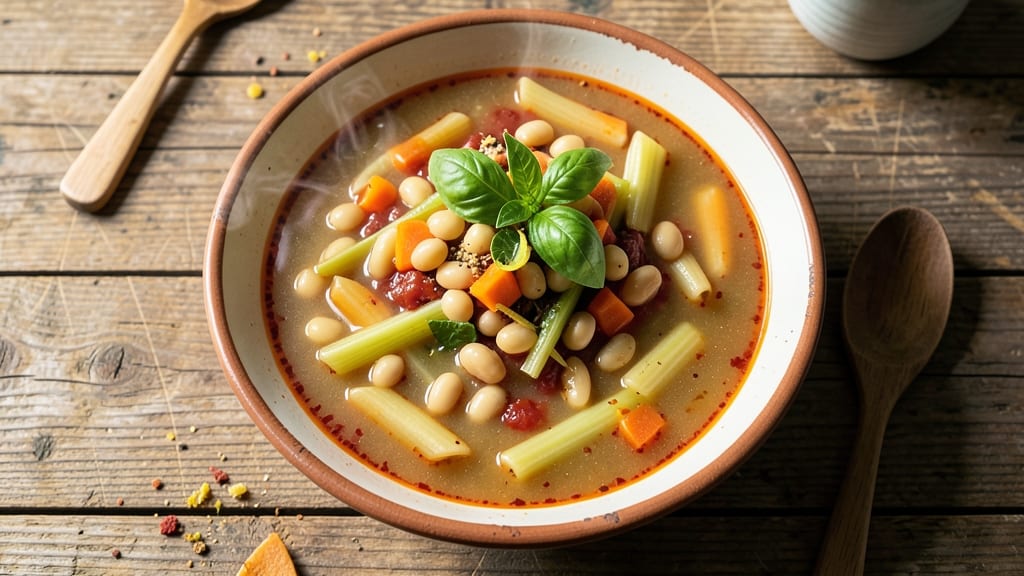
This Barilla pasta minestrone soup recipe transforms simple pantry staples into a hearty, velvety-perfect Italian classic that tastes like Nonna’s kitchen. The secret lies in Barilla’s signature al dente texture—pasta that holds its shape while soaking up the rich, herb-infused broth.
I’ve perfected this vegetarian-friendly version with cannellini beans, seasonal vegetables, and aromatic herbs that simmer into harmony.
What sets this recipe apart is the balance of textures: tender pasta, creamy beans, and crisp-tender vegetables all bathed in a savory, slightly tangy broth. The slow simmering process develops deep flavor, while a touch of tomato paste adds that classic Italian umami without overpowering.
It’s the kind of soup that warms the soul and satisfies even the pickiest eaters.
By the time you serve this, you’ll have a perfectly proportioned bowl of minestrone—rich enough to stand alone but light enough for a summer lunch. The Barilla pasta delivers that ideal bite, while fresh basil and parmesan add finishing touches that elevate it from comforting to extraordinary.
This is the kind of recipe that gets better with leftovers.
Whether you’re feeding a family or meal prepping for the week, this minestrone delivers restaurant-quality results with minimal effort. The technique is straightforward, but the flavor is anything but basic. Let’s get simmering—your taste buds will thank you.
Ingredients for barilla minestrone soup
Pantry staples meet Italian tradition in this velvety minestrone recipe.
| Ingredient | Amount | Notes |
|---|---|---|
| Barilla Pasta (Penne or Ditalini) 🍝 | 1 ½ cups | Uncooked, al dente texture preferred |
| Cannellini Beans 🌱 | 1 ½ cups | Drained, rinsed, or cooked from dry |
| Vegetable Broth 💧 | 6 cups | Low-sodium preferred, homemade or store-bought |
| Tomato Paste 🍅 | 2 tbsp | Smooth, not chunky, for even texture |
| Carrots 🥕 | 2 whole | Peeled, sliced into thin rounds |
| Celery Stalks 🧅 | 3 whole | Trimmed, sliced into 1/4-inch pieces |
| Yellow Onion 🧅 | 1 whole | Diced finely for even distribution |
| Garlic Cloves 🧄 | 4 cloves | Minced for aromatic depth |
| Diced Tomatoes (Canned) 🍅 | 1 14.5oz can | San Marzano preferred for sweetness |
| Zucchini 🥒 | 1 whole | Sliced into 1/4-inch half-moons |
| Fresh Basil Leaves 🌿 | ¼ cup | Chopped, for finishing touch |
| Fresh Parsley 🌿 | ⅛ cup | Chopped, for fresh brightness |
| Extra-Virgin Olive Oil 🫒 | 2 tbsp | For sautéing, fruity variety |
| Dried Oregano 🌿 | 1 tsp | Italian variety preferred |
| Bay Leaves 🌿 | 2 whole | Removed before serving |
| Grated Parmesan Cheese 🧀 | ½ cup | Freshly grated, for serving |
| Salt 🧂 | 1 ½ tsp | Diamond Crystal preferred |
| Black Pepper 🌶️ | ½ tsp | Freshly ground for best flavor |
The Barilla pasta is non-negotiable here—its al dente texture holds up perfectly to the long simmer. Grab a box of Barilla penne or ditalini from your local grocery store or Italian market. For the beans, cannellini is ideal, but any white bean works in a pinch. The vegetable broth should be low-sodium—Pacific Foods or Imagine brands are my go-tos. Fresh herbs are worth the splurge: Trader Joe's often has great deals on basil and parsley. Look for vibrant, bright green leaves with no wilting.
No canned tomatoes? Fresh tomatoes or tomato sauce works just as well—just adjust the seasoning. Swapping zucchini for yellow squash keeps the same texture, while mushrooms add an earthy depth. The tomato paste can be substituted with 2 tbsp tomato sauce if needed, though it won't be as concentrated. For extra richness, stir in 1 tbsp nutritional yeast at the end—it mimics the umami of Parmesan beautifully. If you're short on time, pre-chopped frozen veggies save prep work without sacrificing flavor.
This soup tastes even better the next day—3-4 days in the fridge, or freeze for up to 3 months. I always double the batch and portion it into containers for easy lunches. The pasta stays firm when reheated gently, so avoid boiling it dry. For serving, keep the Parmesan and fresh herbs separate until ready to eat—this preserves their bright flavors. Store the broth separately if you prefer it less thick, and simply reheat with extra water as needed.
Why You'll Love This Recipe
- I’ll be real: my grocery budget stretches further when this is on the menu. Cannellini beans, carrots, and Barilla pasta are cheap, shelf-stable, and forgiving. Double the batch, freeze half, and you’ve got a 30-second dinner for months. Budget-friendly doesn’t mean boring—this proves it.
- No-Fuss Assembly: I swear, this soup comes together while you’re still debating what to eat. Toss in Barilla penne, cannellini beans, and a spoonful of tomato paste—boom, flavor foundation. The broth does the heavy lifting, so you’re basically stirring, simmering, and savoring in 25 minutes flat.
- Tomato-Paste Magic: That single spoonful of tomato paste? It’s the secret weapon. It deepens the broth, balances the carrots’ sweetness, and gives the whole thing that rustic Italian pantry vibe. Honestly, skip it at your own risk—it’s what turns good minestrone into ridiculously good minestrone.
- Lunchbox Hero: Between us, this is my go-to for meal prep. The pasta holds up for days, the beans add protein, and it reheats like a dream. Pack it in jars or containers—it’s the kind of soup that tastes just as good cold the next day (yes, really) and makes you the office lunch MVP.
Step-by-step instructions for Italian pantry minestrone soup
Here's how to transform simple pantry staples into a rich, velvety minestrone that tastes like Nonna's kitchen.
Build the Aromatic Base
Heat the 2 tablespoons extra-virgin olive oil in a large Dutch oven over medium heat. Add the 1 whole yellow onion, 3 whole celery stalks (sliced), and 2 whole carrots (sliced). Cook for 5-6 minutes, stirring occasionally, until the vegetables soften and become translucent.
Add the 4 cloves garlic cloves (minced) and the 1 teaspoon dried oregano, stirring for 30 seconds until fragrant. This aromatic base forms the flavor foundation of your soup. If the vegetables begin to brown too quickly, reduce the heat slightly to maintain even cooking.
Develop the Tomato Flavor
Stir in the 2 tablespoons tomato paste and cook for 1-2 minutes until it darkens slightly and releases its rich, concentrated flavor. Add the 1 14.5oz can diced tomatoes (with juices) and the 6 cups vegetable broth. Bring the mixture to a gentle boil, then reduce heat to medium-low to maintain a simmer.
Add the 2 whole bay leaves and 1.5 teaspoons salt. Let the soup simmer uncovered for 15 minutes, allowing the flavors to meld together. This step ensures the tomatoes break down into a velvety texture, deepening the soup's complexity.
Incorporate the Vegetables and Beans
Add the 1.5 cups cannellini beans (drained and rinsed) and the 1 whole zucchini (sliced). Simmer for 10-12 minutes until the zucchini is tender but still holds its shape. The beans should be heated through but not mushy.
Taste the soup and adjust the seasoning with additional salt or ½ teaspoon black pepper if needed. This is where you'll notice if the soup needs more depth—adding a pinch of red pepper flakes or a splash of balsamic vinegar can elevate the flavor profile.
Cook the Pasta to Perfection
Add the 1.5 cups Barilla pasta (penne or ditalini) to the simmering soup. Stir gently to distribute the pasta evenly. Cook for 8-10 minutes, stirring occasionally, until the pasta is al dente—just slightly firm to the bite. Overcooking will turn the pasta mushy and ruin the texture.
To check for doneness, taste a piece of pasta. It should have a slight resistance when bitten into. If the soup seems too thick after adding the pasta, stir in ½ cup of the reserved pasta water to achieve a silky consistency.
Finish with Fresh Herbs and Serve
Remove the 2 whole bay leaves from the soup. Stir in the ½ cup freshly grated Parmesan cheese and let it melt into the soup for 1-2 minutes. Add the ¼ cup chopped fresh basil leaves and ⅛ cup chopped fresh parsley, stirring gently to distribute the herbs evenly.
Ladle the minestrone into bowls and serve immediately, garnished with additional Parmesan cheese and a sprinkle of black pepper. The fresh herbs add a bright, vibrant finish that complements the rich, hearty flavors of the soup. Each spoonful should deliver a perfect balance of vegetables, pasta, and aromatic broth.
Pro Tips For Making Barilla Minestrone Soup
- Cook beans separately: I learned this the hard way—dumping cannellini beans straight from a can into the pot turns your soup into a mushy, flavorless mess. Simmer them for 10 minutes in a little broth first, then mash a few for creaminess while keeping some whole for texture.
- Toast the tomato paste: Skip the watery tomato paste shortcut and cook yours dry in the pot for 2 minutes before adding liquid. This deepens the flavor and prevents that "raw" aftertaste that ruins so many soups.
- Salt the broth early: Add half your salt to the vegetable broth right at the start, even if it seems excessive. The flavors meld better this way, and you’ll adjust later—trust me, your soup will taste more balanced than if you wait until the end.
- Use ditalini, not penne: Yes, penne looks fancier, but ditalini’s tiny tubes hold up better in long simmering and absorb flavors more evenly. Plus, they’re less likely to turn to mush when you’re distracted (we’ve all been there).
Pro cooking tips for this dish
Sauté Like a Pro
Use a large Dutch oven (like the All-Clad Stainless Steel) for even heat distribution—it prevents scorching while allowing the vegetables to soften properly. Heat the 2 tablespoons extra-virgin olive oil over medium heat (not high!) and add the onion, celery, and carrots.
Stir every 30 seconds to ensure even browning. If the oil smokes, reduce the heat immediately—this means it’s too hot and will burn the vegetables. 🔥
Tomato Paste Magic
Don’t skip cooking the 2 tablespoons tomato paste for 1-2 minutes—this step deepens its flavor by caramelizing the sugars. Stir constantly to prevent burning, and watch for a slight darkening.
This is where the umami develops! If you’re short on time, a splash of balsamic vinegar (just 1 teaspoon) can mimic this depth without waiting.
Simmering Secrets
Simmering uncovered is key—it allows excess moisture to evaporate, concentrating the flavors. After adding the broth, reduce heat to medium-low and let it bubble gently. If you see foam forming, skim it off with a spoon.
This keeps the soup clean and ensures the tomatoes and herbs meld smoothly into the broth. Patience here makes all the difference! ✨
Pasta Timing Trick
Add the Barilla pasta 2 minutes before the soup is fully done—this ensures it cooks perfectly without turning mushy. If your soup is too thick after adding pasta, stir in ½ cup reserved pasta water to loosen it.
Never overcook the pasta—al dente is non-negotiable for texture. Taste-test a piece to confirm! 💡
Herb Finishing Touches
Add fresh herbs (basil and parsley) off the heat—this preserves their bright flavors. Stir gently so they distribute evenly without wilting. For extra aroma, crush a few dried basil leaves between your fingers and sprinkle them in.
A pinch of red pepper flakes or a drizzle of hot honey can add a surprising twist to traditional minestrone. 🌿
Leftovers Hack
Minestrone tastes even better the next day! Store leftovers in an airtight container in the fridge for up to 4 days. Reheat gently on the stove with a splash of water or broth to restore creaminess.
For freezing, portion into quart-sized bags and thaw overnight in the fridge—microwaving straight from frozen can make the pasta rubbery. ❄️
Nutrition facts
Frequently asked questions
Can I make this minestrone without canned tomatoes?
Use 1.5 cups fresh diced tomatoes or 1.5 cups tomato sauce instead. For deeper flavor, roast the fresh tomatoes at 400°F for 15 minutes before adding. Just reduce the vegetable broth to 5 cups since fresh tomatoes release more liquid.
How do I adjust the soup for fewer/more servings?
This recipe makes 6 servings. For 4 servings, reduce all ingredients by 2/3 (e.g., 1 cup pasta, 4 cups broth). For 8 servings, increase by 1/3 (e.g., 2 cups pasta, 8 cups broth). Always maintain the same vegetable-to-pasta ratio for balance.
Why does my minestrone turn out too thick?
Thickness usually means overcooking or not enough liquid. Add ½ cup reserved pasta water or extra broth while reheating. For prevention, simmer uncovered and stir occasionally to release excess moisture. If using pre-cooked beans, drain them thoroughly to avoid added liquid.
Can I make this soup in an Instant Pot?
Yes! Sauté the onion, celery, and carrots for 3 minutes on sauté mode. Add garlic, tomato paste, and broth, then pressure cook for 8 minutes. Quick-release the pressure, stir in beans and zucchini, then cook pasta separately and mix in at the end. The Instant Pot reduces cooking time to just 25 minutes total!
What's the best way to store leftovers?
Store in an airtight container in the fridge for 3-4 days or freeze for up to 3 months. For reheating, add 2-3 tablespoons water or broth per serving and simmer until hot. Never microwave directly from frozen—thaw overnight first to preserve texture. The flavors actually improve after resting!