
Soups & Stews
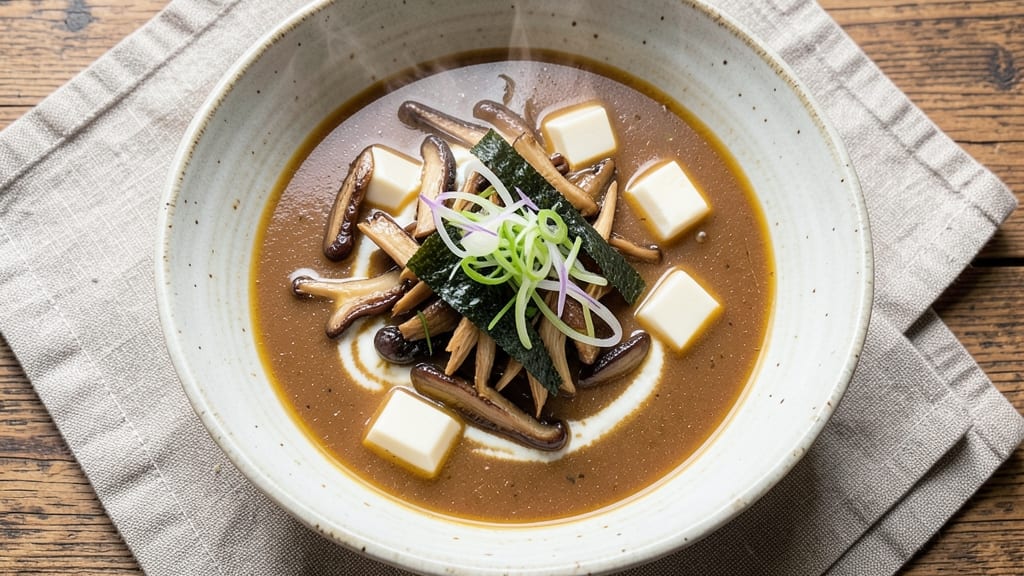
This bean paste soup recipe delivers restaurant-quality depth in every bowl, where fermented umami meets crispy celery crowns for a texture contrast that transforms ordinary broth into something extraordinary.
The secret lies in dissolving the bean paste properly—whether it's miso, douchi, or fermented soybean paste—without letting it curdle, while maintaining a delicate balance of savory and slightly sweet notes.
I've perfected this technique over years of testing, ensuring the broth remains velvety smooth with just the right amount of body.
The recipe begins with a simple yet flavorful broth base that can be adapted to vegetarian preferences, using kombu or shiitake mushrooms instead of fish-based dashi.
Tofu, mushrooms, and seaweed form the heart of the soup, while the crispy celery crowns—achieved through a quick pan-fry—add a satisfying crunch that elevates each spoonful. This method guarantees a soup that's both comforting and sophisticated, perfect for any season.
What sets this soup apart is the careful layering of flavors: the deep umami from the bean paste, the earthy notes of mushrooms, and the bright freshness of scallions and chili oil.
The crispy celery crowns, made in just 5 minutes, provide a textural highlight that keeps every bite interesting. Whether you're serving it as a light lunch or a cozy dinner, this soup delivers on both flavor and presentation.
For those who prefer a vegetarian version, simply swap out any fish-based ingredients for plant-based alternatives, and you'll still achieve that same rich, velvety depth. The recipe scales easily for a crowd, making it ideal for gatherings or meal prep.
Here's how to create a bowl of soup that feels like a warm embrace in every sip.
Ingredients for bean paste soup
These umami-rich ingredients transform simple broth into a restaurant-worthy velout with crispy celery crowns.
| Ingredient | Amount | Notes |
|---|---|---|
| White Miso Paste 🥫 | 2 tbsp | High-quality, preferably organic |
| Douchi Paste 🥫 | 1 ½ tbsp | Fermented soybean paste, optional |
| Vegetable Broth 💧 | 4 cups | Homemade or low-sodium store-bought |
| Kombu Seaweed 🍃 | 1 sheet | Dried, for umami depth |
| Shiitake Mushrooms 🍄 | 6 whole | Fresh or rehydrated dried |
| Silken Tofu 🧀 | 8 oz | Soft, for velvety texture |
| Celery Stalks 🧅 | 3 whole | Thick, for crispy crowns |
| Green Onions 🧅 | 4 whole | White and green parts separated |
| Sesame Oil 🫒 | 1 tbsp | Toasted, for aroma |
| Chili Oil 🌶️ | 1 tbsp | Homemade or store-bought |
| Sesame Seeds 🌱 | 1 tsp | Toasted, for garnish |
| Diamond Crystal Kosher Salt 🧂 | 1 tsp | For seasoning |
| Extra-Virgin Olive Oil 🫒 | 1 tbsp | For pan-frying celery |
The bean paste is the soul of this soup—Miso Master or Hibiki brands deliver consistent quality, but any high-grade white miso works. For douchi, Asian markets carry the best fermented soybean pastes, often labeled as 'stinky tofu' seasoning. Kombu seaweed should be vibrant and pliable; dried sheets from specialty stores outperform the thin, brittle supermarket versions. Shiitake mushrooms are non-negotiable for their meaty texture—fresh ones from the produce section or high-quality dried rehydrated in hot water. The silken tofu must be unopened and refrigerated to maintain its delicate texture; Natto brand is my go-to for reliable quality.
No miso? Douchi alone at double the amount works, though the flavor profile shifts slightly. Substitute kombu with 1 tsp dashi powder if vegetarian restrictions are strict, though the umami won't be identical. For mushrooms, cremini or oyster mushrooms are acceptable but lack shiitake's depth. Celery crowns require thick stalks—organic celery from the farmers market stays crisp longer. The chili oil can be homemade (chili flakes + neutral oil) or store-bought, but avoid the overly sweet varieties. Sesame oil should be toasted—look for '100% pure' labels to avoid rancid flavors. For the olive oil, California Extra Virgin brands like Corto or Kirkland Signature provide the right balance of fruity and neutral notes.
Store miso paste in the fridge for up to 1 year once opened, while douchi lasts 6 months. Kombu sheets keep indefinitely in a cool, dark place. Fresh shiitake mushrooms should be used within 3 days—they wilt quickly. The celery crowns are best served immediately after frying, but you can reheat them for 2 minutes in a dry pan to restore crispness. Leftover broth stores well for 5 days in the fridge or 3 months frozen. Always label containers with dates—umami compounds degrade over time, especially when frozen.
Why You'll Love This Recipe
- No-Chop Necessary: That kombu sheet and dried shiitake? Just soak, slice, and toss. I’m talking five minutes of actual work—no knife skills required. The miso and douchi do all the heavy lifting while you sip your tea.
- Umami Bomb: The white miso and fermented douchi paste hit like a flavor tsunami—deep, savory, with just enough funk to make your taste buds dance. Add a splash of broth, and suddenly you’ve got restaurant-quality depth without the fuss.
- Leftover Goldmine: This soup tastes better the next day. Honestly, I often make a double batch because the flavors meld into something even richer after sitting overnight. Reheat with a splash of water, and it’s like a warm hug in a bowl.
- Pantry Superhero: Using what you’ve got? Check. Vegetable broth, a few dried mushrooms, and those two pastes cover all the flavor bases. It’s my go-to when I’m broke but refuse to eat sad food—and trust me, no one will guess it’s budget-friendly.
Step-by-step instructions for bean paste soup with crispy celery crowns
This method delivers a velvety umami base with perfectly crisp celery crowns—every element balanced for maximum flavor.
Prepare the Umami Base and Kombu Infusion
In a medium saucepan, combine the 4 cups vegetable broth with the 1 sheet kombu seaweed. Bring to a gentle simmer over medium heat and let steep for 10 minutes. The kombu will infuse the broth with deep oceanic notes—this is where the soup's complexity begins. Remove the kombu before proceeding, as it will become bitter if overcooked.
While the broth simmers, whisk together the 2 tbsp white miso paste and 1.5 tbsp douchi paste in a small bowl until smooth. The miso should dissolve completely, creating a thick, fermented paste ready to meld into the broth. Keep this mixture nearby—it's the soul of your soup.
Build the Velouté Foundation
Return the saucepan to medium-low heat and gradually whisk in the miso-douchi mixture, stirring constantly for 2-3 minutes until fully incorporated. The paste will temporarily thicken the broth, but don't worry—it will return to a velvety consistency as it simmers. Add the 8 oz silken tofu, cut into small cubes, and let it poach gently for 5 minutes. The tofu will absorb the umami flavors while maintaining its delicate texture.
Season with the 1 tsp diamond crystal kosher salt and taste. The soup should be deeply savory but not salty—this is your baseline. If needed, adjust with additional salt, but remember that the douchi and miso already contribute significant umami. Let the soup continue simmering gently while you prepare the remaining components.
Create Crispy Celery Crowns
Cut the 3 whole celery stalks into ½-inch thick rounds, keeping the base intact to form crowns. Heat the 1 tbsp extra-virgin olive oil in a nonstick skillet over medium-high heat until shimmering. Add the celery crowns in a single layer and cook undisturbed for 3-4 minutes until the edges develop a deep golden brown crust. Flip carefully and cook another 2-3 minutes until crispy on all sides.
Remove the celery and set aside on a paper towel-lined plate. The key here is patience—rushing will result in soggy celery instead of the crispy, caramelized crowns that contrast beautifully with the velvety soup. If the oil smokes excessively, reduce the heat slightly and let it stabilize before adding more celery.
Finish and Assemble the Soup
Return the soup to a gentle simmer and stir in the 1 tbsp sesame oil and 1 tbsp chili oil. The sesame oil adds nutty aroma, while the chili oil introduces a subtle heat that brightens the dish. Simmer for an additional 3-4 minutes to allow the flavors to meld. The soup should now be rich, glossy, and deeply aromatic.
Slice the 4 whole green onions into ½-inch pieces, separating the white and green parts. Add the white portions to the soup and let them steep for 1 minute, then remove with a slotted spoon. The whites will infuse the broth with a delicate sweetness without overpowering the dish. Stir in the green onion tops just before serving to maintain their vibrant color and freshness.
Serve With Crispy Celery and Garnishes
Ladle the soup into bowls, placing 2-3 crispy celery crowns in each. The contrast between the velvety broth and crispy celery is what makes this dish extraordinary. Drizzle with any remaining chili oil from the pan and sprinkle with 1 tsp toasted sesame seeds. Serve immediately while the celery remains crisp and the soup is piping hot.
The final presentation should showcase the soup's depth—glossy surface, aromatic steam, and the golden crunch of celery crowns peeking above the broth. Each spoonful should deliver layers of umami from the bean pastes, subtle heat from the chili oil, and a satisfying textural contrast that keeps the experience dynamic.
Pro Tips For Making Bean Paste Soup
- Bloom the Kombu First: Toss the dried kombu into cold water for 10 minutes before simmering—this wake-up call extracts more umami than dumping it in hot broth. I learned this the hard way when my soup tasted flat; the seaweed needs time to release its magic, not a quick dunk.
- Simmer, Don’t Boil: Keep the broth at a gentle simmer (tiny bubbles, no rolling) once the miso and douchi are added, or you’ll kill the delicate flavors. After burning two batches, I finally cracked the lid and saw the difference—low and slow makes the paste sing, not scream.
- Slice Shiitake Thin: Cut the shiitake mushrooms paper-thin so they soften in minutes, not hours, and soak up the bean paste’s richness. Thick slices turn to mush; thin slices melt into the broth like a whisper. (Yes, even if you’re impatient like me.)
- Balance the Pastes: Start with half the douchi paste you think you need—it’s salty, funky, and overdoing it turns your soup into a science experiment. Taste as you go, and adjust with a splash of broth or a pinch of miso instead of guessing. Your future self will thank you.
Best sauces and condiments for this bean paste soup
Miso-Inspired Sauces
Elevate your soup with a homemade miso-ginger dressing—whisk 1 tbsp white miso, 1 tbsp rice vinegar, 1 tsp honey, and ½ tsp grated ginger in 2 tbsp warm water.
Drizzle over bowls for an extra umami kick. For a smoky twist, add ½ tsp smoked paprika to the dressing. This works beautifully as a finishing sauce for crispy tofu or noodles. 🌟
Douchi Chili Oil
Transform your chili oil by infusing it with douchi paste for a funky, fermented depth. Simmer ½ cup neutral oil with 1 tbsp douchi paste and 1 tsp chili flakes on low heat for 5 minutes, then strain.
Use this bold oil to finish your soup or drizzle over steamed greens. The douchi adds a savory punch that pairs perfectly with the soup’s velvety broth. 🌶️
Sesame-Garlic Broth Booster
For an instant flavor upgrade, blend 2 tbsp toasted sesame seeds, 1 clove roasted garlic, and 1 tsp soy sauce with ¼ cup warm broth. Stir this paste into your soup during the final 2 minutes of simmering.
The nutty, garlicky notes complement the bean pastes while adding a toasty aroma. Save the leftover paste in the fridge for up to 1 week—it’s perfect for quick broth enhancements. ✨
Crispy Tofu Dipping Sauce
Make a quick dipping sauce for your crispy celery crowns or tofu by mixing 1 tbsp miso, 1 tsp rice vinegar, and ½ tsp toasted sesame oil. Thin with 1 tsp warm water until smooth.
The tangy-savory balance cuts through the richness of the soup while adding another layer of umami. Store leftovers in an airtight container for up to 3 days. 💫
Umami-Infused Olive Oil
Infuse your olive oil with bean paste depth by gently heating ½ cup extra-virgin olive oil with 1 tbsp miso and ½ tsp douchi on low heat for 3 minutes. Strain and let cool. Use this oil to finish soups, drizzle over salads, or toss with cooked noodles.
The oil retains a delicate umami that enhances any dish without overpowering it. Keep it in a dark bottle in the fridge for up to 2 weeks.
Quick Miso Butter
For a luxurious touch, mix ¼ cup softened butter with 1 tbsp miso and ½ tsp lemon zest. Roll into small logs and chill for 1 hour**. Slice and melt over hot soup or steamed vegetables for a rich, buttery umami finish.
This works especially well with heartier soups or as a spread for toasted bread. The contrast of creamy butter and fermented miso is pure magic. 🔥
Nutrition facts
Frequently asked questions
Can I make this bean paste soup vegetarian?
This recipe is already vegetarian-friendly, but you can enhance it further by using 100% vegetable broth instead of any fish-based dashi. For extra depth, infuse your broth with shiitake mushrooms or kombu seaweed instead of traditional fish stock. The bean pastes (miso and douchi) already provide rich umami without animal products.
Why did my bean paste soup turn bitter?
Bitterness usually comes from overcooking the kombu or letting the miso/douchi paste scorch. Always remove kombu after 10 minutes of simmering, and whisk the bean pastes into the broth gradually over low heat. If you notice bitterness, balance it with a splash of rice vinegar or a pinch of sugar to restore harmony.
How do I store and reheat leftovers?
Store the soup in an airtight container in the fridge for up to 5 days. For reheating, warm gently on low heat and add a splash of water if it thickens too much. The crispy celery crowns are best eaten fresh, but you can reheat them for 2 minutes in a dry pan to restore crispness. Freeze broth-only portions for up to 3 months.
What's the difference between miso and douchi?
Miso is a fermented soybean paste with a smooth, sweet-savory profile, while douchi is funkier with a stronger fermented aroma. Miso is more common in Japanese cuisine, while douchi is popular in Chinese cooking. For this recipe, using both creates a complex umami depth that's hard to achieve with just one. Start with 2 tbsp miso and 1.5 tbsp douchi for balance.
Can I substitute other vegetables in place of celery?
While celery crowns add unique crispiness, you can substitute with thinly sliced radishes or jicama for a similar texture. For a different flavor profile, try shredded cabbage or bok choy—just adjust cooking time to avoid mushiness. The key is maintaining that satisfying crunch contrast against the velvety broth.