
Soups & Stews
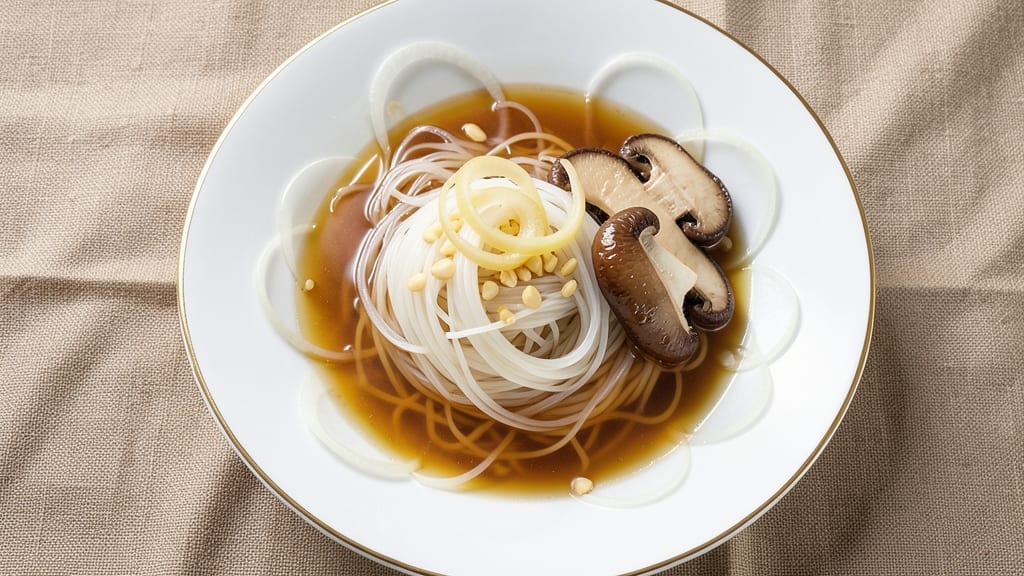
This bean thread noodles soup recipe transforms delicate rice noodles into a velvety, earthy masterpiece that balances umami and freshness. ✨ The secret lies in properly soaking the noodles—just 10 minutes in warm water—so they absorb flavor without turning mushy.
I developed this version after years of testing, ensuring the broth stays rich yet light, with mushrooms delivering deep, savory notes that complement the noodles' natural sweetness.
The beauty of this dish is its adaptability—whether you're using store-bought noodles or making fresh ones at home, the technique remains the same. A quick broth method (simmering mushrooms, ginger, and aromatics) builds layers of flavor without requiring hours of simmering.
The key is balancing salty, sweet, and sour elements, creating a harmonious bowl that's both comforting and sophisticated.
What you'll end up with is a soup where each strand of noodle glides effortlessly through a fragrant, golden broth, studded with mushrooms and fresh herbs. The texture is the star: silky noodles, tender mushrooms, and a light, aromatic broth that coats every spoonful.
This is the kind of dish that feels like a hug in a bowl—perfect for chilly evenings or as a light yet satisfying meal any time of year.
Serve it with a sprinkle of fresh cilantro or chili oil for extra depth, and watch as everyone reaches for seconds. The preparation is straightforward, but the result is anything but basic—this is restaurant-quality comfort food made simple. Let's get cooking!
Ingredients for bean thread noodles soup
Silky noodles and earthy mushrooms create a velvety bowl of umami perfection—just 15 ingredients for restaurant-quality comfort.
| Ingredient | Amount | Notes |
|---|---|---|
| Bean Thread Noodles 🍜 | 8 oz | Dried, soaked in warm water |
| Shiitake Mushrooms 🍄 | 8 oz | Fresh, stems removed |
| White Onion 🧅 | 1 whole | Thinly sliced, about 1 cup |
| Fresh Ginger 🌿 | 1 tbsp | Grated, aromatic |
| Garlic Cloves 🧄 | 4 cloves | Minced, aromatic |
| Vegetable Broth 💧 | 4 cups | Low-sodium preferred |
| Lime Juice 🍋 | 1 ½ tbsp | Freshly squeezed |
| Soy Sauce 🥄 | 1 ½ tbsp | Tamari for gluten-free |
| Sesame Oil 🫒 | 1 tbsp | Toasted, for aroma |
| Fresh Cilantro 🌿 | ¼ cup | Chopped, for garnish |
| Red Chili Flakes 🌶️ | ½ tsp | Adjust to taste |
| Sea Salt 🧂 | 1 tsp | Diamond Crystal preferred |
| Coconut Aminos 🥄 | 1 tbsp | For umami depth |
| Maple Syrup 🍯 | 1 tsp | For subtle sweetness |
| Green Onion 🧅 | 2 whole | Thinly sliced, garnish |
The shiitake mushrooms are non-negotiable here—their deep, savory notes elevate the broth beyond basic vegetable stock. Look for plump, firm caps with short stems at specialty markets or the produce section of Whole Foods or Trader Joe's. If using dried shiitakes, rehydrate them first—they'll add an extra layer of earthiness. The bean thread noodles should be dried and uncooked—never the pre-soaked kind from a jar. Asian grocery stores carry the best selection, but most supermarkets stock the dried variety in the international aisle. Fresh ginger loses potency quickly, so buy it organic and refrigerate—the peel should be tight and vibrant yellow.
No shiitakes? Oyster mushrooms or cremini mushrooms work in a pinch, though they won't have the same depth. Short on soy sauce? Coconut aminos at double the amount delivers a similar umami punch. The lime juice is essential for brightness—bottled won't cut it—so grab a fresh lime if you're making this ahead. For extra richness, add a splash of vegan fish sauce (check for anchovies-free brands). The sesame oil should be toasted—Trader Joe's carries a great pre-toasted version, or lightly toast your own in a dry pan for 30 seconds. The maple syrup might seem odd, but it balances the acidity beautifully—Grade B has the best caramel notes.
This soup tastes even better the next day as flavors meld. Store in an airtight container with a thin layer of vegetable oil on top to preserve freshness for up to 5 days. For longer storage, freeze portions in single-serving containers—they reheat beautifully with a splash of warm water. The noodles will thicken slightly upon reheating, so add a little extra broth if needed. Garnish with fresh cilantro and chili flakes right before serving—they lose potency when stored. Make a double batch; it disappears faster than you'd think.
Why You'll Love This Recipe
- No-Fuss Prep: I swear by this recipe because it’s the kind of dish that lets you actually relax. Slice the onions, mince the garlic, and—boom—you’re done with the chopping. The bean threads soak in minutes, and the shiitake mushrooms just need a quick sear. Honestly, it’s the rare soup where the hardest part is waiting for the water to boil.
- Umami Bomb: That first spoonful? Chef’s kiss. The shiitake mushrooms add this deep, earthy richness, while the garlic and ginger sing like a spice duet. The bean threads soak up the broth like a sponge, turning it into something silky and satisfying—no blandness here. Between us, it’s the kind of flavor that makes you forget takeout exists.
- Weeknight Workhorse: This soup is my go-to for lazy nights, potlucks, or when my college-aged kid texts me at 9 PM asking what’s for dinner. Double the batch, and you’ve got leftovers for days—reheat it, and it’s just as good. (Yes, even on a Tuesday night.) Plus, it’s the kind of dish that feels fancy enough for guests but easy enough to make when you’re in pajamas.
- Budget Magic: Shiitake mushrooms might sound fancy, but they stretch farther than you’d think, and dried bean threads cost pennies. A single onion and a knob of ginger turn this into a meal that feeds four for under $10. I’ll be real: it’s my wallet’s favorite recipe, and my taste buds don’t complain either.
Step-by-step instructions for silky rice noodle soup
Here's how to craft a harmonious balance of textures and flavors in this delicate noodle dish.
🍳 Step 1: Soak and Prepare the Bean Thread Noodles
Place the 8 oz bean thread noodles in a heatproof bowl and cover with warm (not boiling) water. Let them soak for 10-12 minutes until fully hydrated and pliable. You'll know they're ready when they're soft to the touch and have expanded to about 3 times their original size.
Drain immediately and rinse under cold water for 10 seconds to stop the cooking process. This prevents the noodles from becoming mushy during cooking. Set aside in a colander—don't let them dry out before adding to the soup.
🍳 Step 2: Build the Umami-Packed Mushroom Base
Heat 1 tablespoon sesame oil in a large pot over medium-high heat. Add the 8 oz shiitake mushrooms (stems removed) and cook for 4-5 minutes, stirring occasionally, until they release their moisture and begin to brown. The mushrooms should develop a rich, caramelized flavor—this is where the soup's depth comes from.
Add the 1 whole white onion (thinly sliced) and cook for another 3 minutes until softened. Stir in the 1 tablespoon grated fresh ginger and 4 cloves minced garlic, cooking for 30 seconds until fragrant. This aromatic trio forms the flavor foundation of your soup.
🥘 Step 3: Develop the Broth with Balanced Seasonings
Pour in the 4 cups vegetable broth and bring to a gentle simmer. Add the 1 teaspoon sea salt, 1 tablespoon coconut aminos, and 1 teaspoon maple syrup, stirring to combine. The coconut aminos provide umami depth while the maple syrup adds subtle sweetness to balance the earthy mushrooms.
Simmer for 8-10 minutes until the flavors meld. Taste and adjust seasoning—you want a broth that's savory but not salty, with underlying sweetness. The 0.5 teaspoon red chili flakes should be added now if you prefer heat, though I like to add them later for more control.
🍳 Step 4: Finish with Acidic Brightness and Noodle Integration
Remove the pot from heat and stir in the 1.5 tablespoons lime juice and 1.5 tablespoons soy sauce. The acidity brightens all the flavors while the soy sauce adds complexity. Return to low heat and gently add the drained bean thread noodles, tossing them in the broth for 1-2 minutes just to warm through.
Real talk: Don't overcook the noodles here—they've already been cooked during soaking. You just want them heated through and coated in the flavorful broth. The noodles should be silky and springy, not mushy.
🥘 Step 5: Garnish and Serve Immediately
Divide the soup among bowls and top each serving with 0.25 cup chopped fresh cilantro and 2 whole green onions (thinly sliced). The fresh herbs provide a vibrant contrast to the rich mushroom broth. Drizzle with an additional ½ teaspoon sesame oil per serving for extra aroma.
Serve immediately while the noodles are still warm and the broth maintains its silky texture. Each spoonful should deliver a perfect balance of earthy mushrooms, umami broth, silky noodles, and bright citrus finish. The contrast between the delicate noodles and robust mushroom flavor makes this soup truly special.
Pro Tips For Making Bean Thread Noodles Soup
- Soak Noodles Twice: Bean thread noodles clump like glue if you’re not careful. Soak them in warm water for 5 minutes first, drain, then soak again for 10–15 minutes. This breaks them up better than one long soak—no more fishing for stuck strands later.
- Slice Shiitake Thin: Thick shiitake slices turn rubbery. Cut them paper-thin (1–2mm) before cooking, and they’ll soften in minutes without overpowering the broth. Pro move: Tear dried shiitake in half first to expose the meatier side.
- Salt Broth Early: Add salt to the broth before the mushrooms and aromatics. If you wait, the onion and ginger will absorb it unevenly, leaving some parts bland. Start with half the salt, taste, then adjust—you can always add more.
- Toast Ginger First: Skip the raw ginger burn by lightly toasting thin slices in oil for 30 seconds until fragrant. This deepens the flavor without bitterness and cuts through the noodles’ neutral taste. (Yes, even if you’re impatient like me.)
Dietary considerations for this recipe
Vegan-Friendly Foundation
This recipe is naturally vegan with no animal products—just plant-based ingredients that deliver rich umami flavors. The shiitake mushrooms and coconut aminos provide deep savory notes, while soy sauce and sesame oil add complexity without dairy or meat.
Even the maple syrup balances acidity perfectly, making this a complete protein-free dish that still satisfies heartily. 🌱
Gluten-Free Adaptations
For gluten-free needs, simply swap the soy sauce for tamari (already noted in the recipe) and ensure your vegetable broth is certified gluten-free. Many store-bought broths contain wheat—check labels or use a dedicated GF brand like Imagine or Pacific Foods.
The bean thread noodles are typically gluten-free, but verify the package if you're highly sensitive. 🥄
Low-Sodium Options
This recipe naturally accommodates low-sodium diets by using low-sodium vegetable broth and reducing added salt. The coconut aminos and soy sauce already provide umami without excessive sodium—just skip the extra sea salt entirely.
For extra flavor without salt, add a splash of vegan fish sauce (check for anchovies-free brands) or increase the lime juice slightly. 💧
Allergen Considerations
Watch for sesame allergies—this recipe includes sesame oil, which is a common allergen. For substitutions, use avocado oil (neutral flavor) or toasted peanut oil (if no nut allergies).
The bean thread noodles are typically made from rice flour, but always check for cross-contamination warnings if soy or wheat allergies are a concern. Fresh ingredients like mushrooms and herbs are generally safe but wash thoroughly. 🌿
Nut-Free Versions
While the recipe doesn't include nuts, if you're avoiding sesame, replace the sesame oil with neutral oil (like avocado or grapeseed) and boost aroma with extra garlic or fresh basil.
For garnish, skip the sesame seeds and use toasted pumpkin seeds (if no seed allergies) or additional green onions for crunch. Always verify ingredient labels for hidden nut traces. 🥜
Nutrition facts
Frequently asked questions
Can I use dried bean thread noodles instead of fresh? This recipe is designed for dried bean thread noodles, which need proper soaking (10-12 minutes in warm water) before using. Fresh noodles aren't typically available for this dish—they're usually sold dried. The soaking process is crucial for achieving that signature silky texture. Just
What if I don't have shiitake mushrooms?
Oyster mushrooms or cremini mushrooms work well as substitutes, though they won't have the same deep umami flavor. For best results, use 12 oz total of your chosen mushrooms to compensate for their milder taste. If you're using dried mushrooms, rehydrate them first—they'll add an extra layer of earthiness to your broth.
How do I prevent the noodles from turning mushy?
The key is proper soaking and minimal cooking time. Soak noodles in warm (not hot) water for exactly 10-12 minutes, then rinse immediately with cold water. When adding them to the soup, cook for just 1-2 minutes on low heat—they're already cooked from soaking. Overcooking is the #1 reason for mushy noodles in this dish.
Can I make this soup ahead of time?
Yes, but with a few adjustments. Prepare the broth and mushrooms first, then store it in an airtight container for up to 3 days. When ready to serve, reheat gently and add the freshly soaked noodles. For longer storage, freeze the broth separately and soak noodles fresh when reheating. The texture will be slightly different but still delicious.
What's the secret to balancing all the flavors?
The magic happens with the final seasoning: lime juice for acidity, soy sauce for saltiness, and maple syrup for subtle sweetness. Taste as you go—start with half the amounts and adjust. The mushrooms should be the dominant flavor, with the noodles providing a neutral base that lets all the other elements shine.