
Soups & Stews
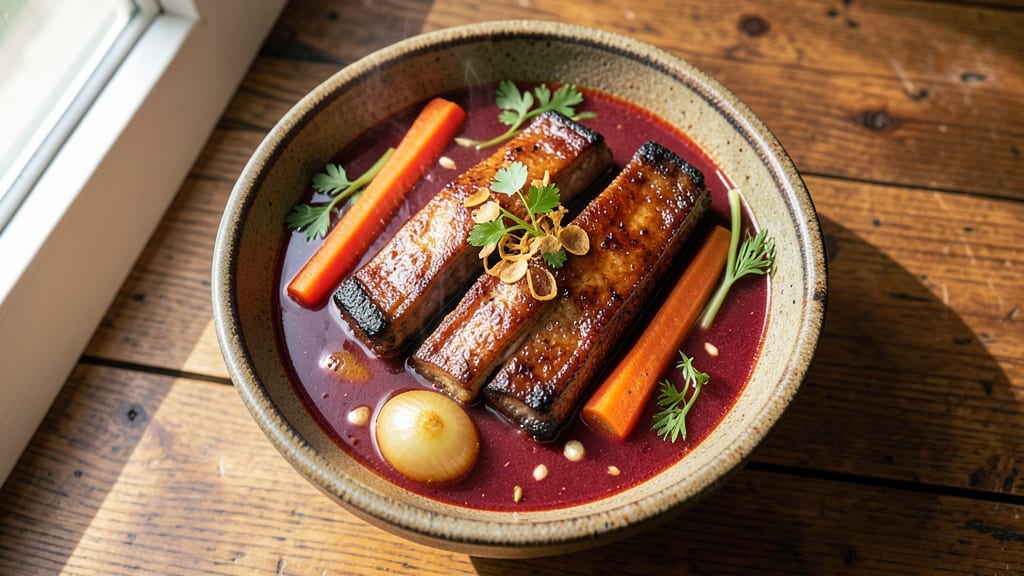
This beef back ribs soup recipe transforms tough, flavorful ribs into melt-in-your-mouth shreds that create a rich, umami-packed broth. The secret lies in slow cooking the ribs until they fall apart, releasing deep, savory flavors that infuse every spoonful.
I developed this recipe after years of perfecting the balance between tender meat and a robust, aromatic broth.
What sets this soup apart is the combination of slow braising and high-heat searing, which develops a deep, caramelized flavor while keeping the meat incredibly tender. The ribs are first seared to lock in juices, then simmered for hours until they shred easily at the touch of a fork.
This method ensures the broth remains rich and velvety, not watery.
By the time you finish, you'll have a deeply satisfying soup with perfectly shredded ribs suspended in a flavorful broth that's perfect for chilly evenings. The aroma alone will have everyone gathering around the table, and the first bite delivers that perfect balance of meaty richness and comforting warmth.
Serve this hearty soup with crusty bread for soaking up every last drop or alongside a simple green salad for a complete meal. The leftovers reheat beautifully, making it an ideal dish for meal prep or feeding a crowd. Let's get started on creating this comforting classic.
Ingredients for beef back ribs soup
Six ingredients transform tough ribs into melt-in-your-mouth shreds with deep umami flavor.
| Ingredient | Amount | Notes |
|---|---|---|
| Beef Back Ribs 🍖 | 3 lb | Bone-in, meaty sections preferred |
| Yellow Onion 🧅 | 2 whole | Chopped, medium size |
| Carrots 🥕 | 4 medium | Peeled, chopped into chunks |
| Celery Stalks 🌿 | 4 whole | Chopped, with leaves |
| Garlic Cloves 🧄 | 6 cloves | Minced, fresh preferred |
| Tomato Paste 🍅 | ½ cup | Smooth, no sugar added |
| Beef Broth 💧 | 6 cups | Low-sodium preferred |
| Red Wine 🍷 | 1 cup | Bold, dry variety |
| Bay Leaves 🌿 | 2 whole | Fresh or dried |
| Fresh Thyme 🌿 | ¼ cup | Leaves only, chopped |
| Black Peppercorns 🌶️ | 1 tbsp | Freshly cracked |
| Salt 🧂 | 1 ½ tsp | Kosher or sea salt |
| Olive Oil 🫒 | ¼ cup | Extra-virgin for searing |
| Fresh Parsley 🌿 | ⅛ cup | Chopped, for garnish |
The ribs are the star here. Look for meaty back ribs with good marbling—avoid ones that look too lean. Costco or local butchers often have the best cuts, but the grocery store meat section works too. If you're buying a whole packer, ask the butcher to cut it into individual ribs for even cooking. The bone-in pieces are key for that rich broth flavor, so don't skip them. For the broth, low-sodium versions give you more control over seasoning—just add extra salt at the end if needed.
No red wine? Substitute with extra beef broth and a splash of balsamic vinegar—it adds depth without alcohol. Fresh thyme is ideal, but dried works at one-third the amount. The tomato paste can be tricky—Trader Joe's squeeze tubes are perfect for this recipe since you only need half a cup. If you're short on carrots, swap in sweet potatoes or parsnips for a different twist. The celery leaves add great flavor, but you can skip them if you're in a hurry—just use the stalks. For the ribs, pat them dry before searing to get that perfect crust.
This soup tastes even better the next day as the flavors meld. Store leftovers in the fridge for 4-5 days or freeze for 3 months. I like to portion it into containers with a little broth on top to keep everything moist. The ribs will keep their tenderness when reheated gently. For serving, a sprinkle of fresh parsley brightens up the dish—grab a bunch and use half for garnish, half for flavor in the soup. The broth freezes beautifully too, so make extra if you're planning to use it in other recipes.
Why You'll Love This Recipe
- I’ll be real: beef back ribs aren’t cheap, but they stretch far in this recipe. You get multiple servings out of one cut, and the veggies (onion, carrots, celery) are the kind of pantry staples that don’t break the bank. It’s comfort food without the guilt.
- One-Pot Wonder: I swear by this recipe because it’s literally dump-and-simmer. Toss the ribs, onions, carrots, and celery into a pot with broth, add the garlic, and let it work its magic. No fancy techniques—just a long simmer until everything falls apart tender.
- Rich, Meat-Focused Depth: Between us, this isn’t your typical veggie-heavy soup. The beef back ribs melt into the broth, giving you that real beefy flavor—deep, savory, and impossible to resist. The garlic and onions caramelize just enough to add a sweet, umami punch that makes every spoonful satisfying.
- Leftovers That Shine: Honestly, I make this on Sundays because the second batch is even better. The ribs get more tender overnight, and the broth thickens into something almost stew-like. Reheat it, add a splash of water, and it’s like you’re eating a fresh pot all over again.
Step-by-step instructions for beef back ribs soup
Transform tough ribs into tender, flavor-packed shreds with this slow-cooked method.
Sear the Ribs for Maximum Flavor
Heat a large Dutch oven over medium-high heat and add the 0.25 cup olive oil. Once shimmering, place the 3 lb beef back ribs in a single layer and sear for 8-10 minutes per side until deeply browned. The ribs should develop a rich crust—this is where all the umami magic starts.
I like to sear them in batches if needed, but don't crowd the pan or they'll steam instead of brown. The goal is to create a flavorful crust that'll infuse into the broth. Once browned, remove ribs and set aside on a plate.
Build the Aromatic Base
In the same Dutch oven, add the 2 whole chopped yellow onion, 4 chopped carrots, and 4 chopped celery stalks. Cook for 5-6 minutes until softened and slightly caramelized. This step develops the soup's foundational flavors.
Add the 6 minced garlic cloves and cook for 30 seconds until fragrant—don't let it burn. Stir in the 0.5 cup tomato paste and cook for another 2 minutes to deepen the color. This creates the rich base for your umami-packed soup.
Deglaze and Simmer the Broth
Pour in the 1 cup red wine and scrape up all those browned bits from the bottom of the pot. This deglazing step captures all that concentrated flavor. Let it simmer for 3-4 minutes until reduced by half.
Add the 6 cups beef broth, 2 whole bay leaves, 0.25 cup chopped fresh thyme, 1 tbsp freshly cracked black peppercorns, and 1.5 tsp salt. Bring to a gentle boil, then return the ribs to the pot.
Slow Cook Until Tender
Reduce heat to low and cover partially. Let the soup simmer for 2-2.5 hours until the ribs are fork-tender and easily pull apart. You'll know they're ready when you can see the meat separating from the bone with minimal effort.
I check at the 2-hour mark—if they're not quite there, give them another 30 minutes. The ribs should be falling off the bone but still hold together enough to shred easily. This slow cooking transforms tough meat into melt-in-your-mouth goodness.
Shred and Finish the Soup
Remove the ribs and let them cool slightly, then shred the meat using two forks. Discard any large bones. Return the shredded meat to the pot and stir to combine.
Taste and adjust seasoning if needed. For serving, ladle into bowls and garnish with 0.125 cup chopped fresh parsley. The soup should be rich, hearty, and packed with that deep umami flavor from the slow-cooked ribs.
Pro Tips For Making Beef Back Ribs Soup
- BROWN THE RIB BONES FIRST: I learned this the hard way—skipping the bone browning means flavorless broth. Sear the ribs in batches over medium-high heat until they’re deep brown, about 5 minutes per side. That caramelized crust is where the soup’s depth comes from.
- CHOP ONIONS AND CELERY UNIFORM: No one likes mushy veggies in soup. Cut the onion and celery into ¼-inch dice—same size as the carrots—so they cook evenly. I used to eyeball it, but consistent pieces mean no one gets a mouthful of overcooked celery or underwhelming onion.
- SIMMER LOW AND LONG: This isn’t a race. After adding the ribs and veggies to the pot, bring to a boil, then drop to a gentle simmer. Cover and let it cook for at least 2.5 hours (3+ is better). The ribs will fall off the bone, and the broth will be rich—rushing it just makes the meat tough.
- USE A LITTLE WINE OR VINEGAR: Sounds weird, but it works: Add ¼ cup of dry white wine or apple cider vinegar when you deglaze the pot. It cuts through the richness of the ribs and brightens the whole broth. Skip this, and the soup can taste flat—trust me, it makes a real difference.
Perfect pairings for these flavors
Crusty Bread Pairing
Nothing beats this soup with a warm, crusty loaf for soaking up every last drop of that rich broth. I love using a sourdough baguette from Trader Joe's or a ciabatta roll from my local bakery.
The open crumb structure traps the tender rib meat and broth beautifully. For extra flavor, brush the bread with garlic-infused olive oil before serving—it adds a wonderful aromatic contrast to the savory soup. 🥖
Simple Green Salad
A crisp green salad balances the heartiness of the ribs perfectly. Toss 4 cups mixed greens (romaine, arugula, and spinach) with 2 tbsp balsamic vinaigrette and 1 tbsp toasted pine nuts.
The acidity cuts through the richness while adding freshness. I often add thinly sliced radishes for a peppery bite that complements the deep umami flavors of the soup. 🥗
Creamy Polenta
For a comforting side that soaks up the broth like a sponge, try creamy polenta. Cook 1 cup polenta in 4 cups chicken broth until thick and creamy, then stir in 2 tbsp butter and ¼ cup grated Parmesan.
The smooth texture contrasts beautifully with the shredded ribs, and it becomes a perfect vehicle for extra flavorful broth. Serve warm alongside the soup. 🍲
Wine Pairings
This rich, umami-packed soup pairs wonderfully with bold red wines. I reach for a Cabernet Sauvignon from Napa Valley—its dark fruit and tannins complement the deep flavors of the ribs.
For something lighter, a Chianti from Tuscany works beautifully with its bright acidity cutting through the richness. Avoid heavy, oaky whites that would clash with the meaty depth. 🍷
Beer Complements
A dark lager like Samuel Adams Black Lager or a stout such as Guinness enhances the soup's richness with their malty, roasted notes. For a lighter option, try a Belgian witbier—the citrusy coriander and orange peel notes brighten the dish.
Avoid overly hoppy IPAs, as they can overpower the delicate broth. 🍺
Garnish Finishing Touches
Elevate your soup with a few finishing touches before serving. A sprinkle of fresh parsley adds brightness, while crispy fried shallots from Trader Joe's bring a delightful crunch.
For extra richness, drizzle with a few drops of high-quality olive oil or a swirl of crème fraîche—just enough to add texture without overwhelming the dish. 💫
Nutrition facts
Frequently asked questions
How do I know when the beef back ribs are done in the soup?
Your ribs are ready when they're fork-tender and easily pull apart with minimal effort—typically after 2-2.5 hours of simmering. Test by inserting a fork into the thickest part of a rib; if the meat separates cleanly from the bone, it's perfect. The broth should also be rich and flavorful, not watery. Pro tip: Check at the 2-hour mark and add 15-30 minutes if needed.
Can I use bone-in ribs or boneless beef short ribs instead?
This recipe is specifically designed for bone-in beef back ribs because the bones add incredible depth to the broth. However, you can substitute with boneless beef short ribs—just reduce the cooking time to 1.5-2 hours since they're more tender. For bone-in short ribs, follow the original timing. Never use pork ribs—they have a very different flavor profile.
What if my broth tastes too salty or bland?
If it's too salty, add 1-2 cups extra beef broth and simmer for 10 minutes to dilute the flavor. For bland broth, try adding 1 tsp fish sauce or soy sauce (for umami depth) or a splash of red wine vinegar (for brightness). Taste as you go—seasoning can always be adjusted at the end. The ribs should be the star, so balance the flavors to complement their richness.
Can I make this soup in a slow cooker or Instant Pot?
For a slow cooker, sear the ribs first, then transfer everything to the pot and cook on low for 6-8 hours or high for 3-4 hours. For an Instant Pot, sear the ribs, then cook on high pressure for 60 minutes followed by a 10-minute natural release. Both methods work beautifully—just monitor the cooking time closely. The Instant Pot version will be faster but may need extra broth to reach desired consistency.
How do I store and reheat leftovers?
Store leftovers in an airtight container in the fridge for 4-5 days or freeze for 3 months. To reheat, warm gently on the stove over low heat with a splash of water or broth to prevent drying. Never microwave directly from the fridge—this can make the ribs tough. For best results, reheat just until hot (165°F) and serve immediately. The broth reheats beautifully, making this a great make-ahead meal!