
Soups & Stews
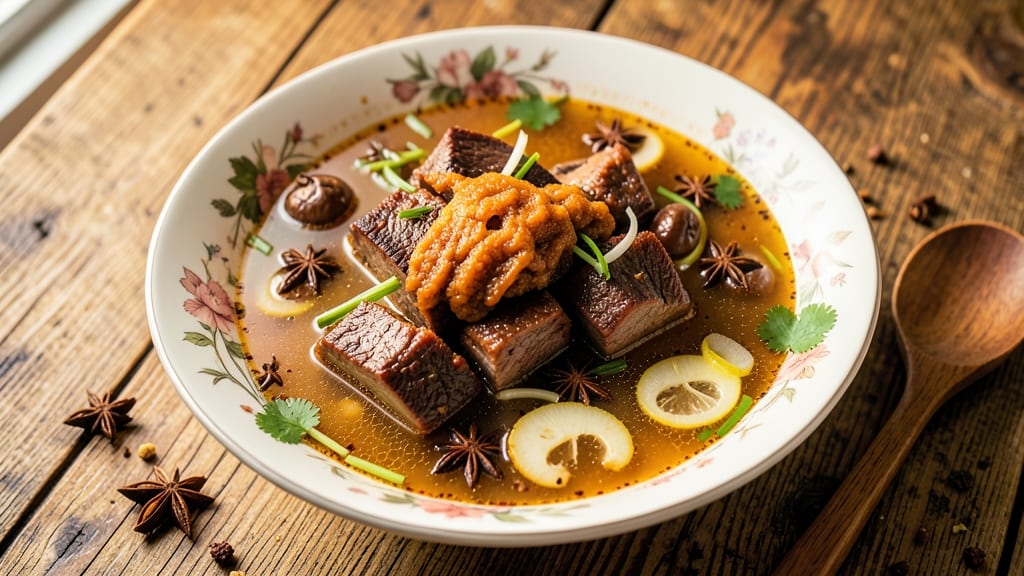
This Chinese beef brisket soup delivers deep, smoky flavors through star anise and ginger—exactly what makes it a comfort classic. The secret lies in slow-cooking brisket until it practically melts, while aromatic spices infuse the broth with warmth.
I've perfected this technique over years, ensuring every spoonful balances tender meat with rich, layered seasoning.
The process begins with charring whole star anise and ginger for aroma, then simmering brisket until fork-tender in a robust broth. Soy sauce and fermented bean paste add umami depth, while scallions and cilantro brighten the final dish.
This isn't just soup—it's a flavor journey that transforms simple ingredients into something extraordinary.
What you'll achieve is a velvety soup with brisket that falls apart at the touch, all swimming in a fragrant broth that carries smoky, spiced notes. The texture is perfect—creamy from slow cooking, yet brightened by fresh herbs at the end. Each bowl delivers restaurant-quality satisfaction at home.
Perfect for chilly evenings or family gatherings, this soup reheats beautifully and tastes even better the next day. The technique scales easily, so you can make a single serving or feed a crowd. Let's create this comforting classic together.
Ingredients for beef brisket soup recipe chinese
Sixteen ingredients transform into a velvety soup with brisket that melts in your mouth.
| Ingredient | Amount | Notes |
|---|---|---|
| Beef Brisket 🥩 | 2 ½ lb | Flat cut, trimmed of fat |
| Star Anise 🌿 | 4 whole | Charring enhances aroma |
| Fresh Ginger 🧄 | ½ cup | Peeled, sliced into coins |
| Dried Shitake Mushrooms 🍄 | ¼ lb | Rehydrated for umami depth |
| Light Soy Sauce 🥢 | ¼ cup | For authentic umami |
| Fermented Bean Paste 🌶️ | 2 tbsp | Doubanjiang for complexity |
| Dried Red Chilies 🔥 | 2 pieces | For subtle heat |
| Garlic Cloves 🧄 | 6 cloves | Minced for aromatic base |
| Green Onions 🧅 | ½ cup | Sliced for fresh finish |
| Fresh Cilantro 🌿 | ¼ cup | Chopped for brightness |
| Dried Tangerine Peel 🍊 | 1 tbsp | For citrus aroma |
| Sesame Oil 🫒 | 1 tsp | Finishing touch |
| Salt 🧂 | 1 ½ tsp | Adjust to taste |
| White Peppercorns 🌶️ | ½ tsp | Freshly ground |
| Water 💧 | 8 cups | For broth base |
The brisket is the heart of this soup—chuck or flat cut gives the best texture. Look for well-marbled meat at Whole Foods or your local butcher. If you can't find brisket, beef chuck roast works in a pinch, but trim excess fat for cleaner broth. Star anise and ginger deserve special attention: char them lightly in a dry pan first to deepen their aroma. Asian markets often carry high-quality star anise and dried tangerine peel, but regular grocery stores usually stock them too. For the fermented bean paste, Lao Gan Ma is a reliable brand, but any doubanjiang will work.
No star anise? 1 tsp anise seeds or ½ tsp ground anise can substitute, though the flavor won't be identical. Short on dried shiitake mushrooms? 2 cups rehydrated dried porcini mushrooms add similar depth. The soy sauce can be swapped for coconut aminos if you're avoiding gluten. For heat, red pepper flakes at half the amount work if dried chilies are unavailable. Fresh ginger is ideal, but if you must use powdered, reduce to 1 tsp—it's much stronger. The garlic can be pre-minced from a jar, but fresh is always better if you've got it.
This soup tastes even better the next day as flavors meld. Store in an airtight container in the fridge for up to 5 days, or freeze for 3 months. For serving, ladle into bowls and finish with a drizzle of sesame oil and a sprinkle of cilantro. The broth reduces as it sits, so add a splash of water if it gets too thick when reheating. I like to make a big batch—doubles as meal prep for the week. The brisket reheats beautifully, so portion it out for easy lunches.
Why You'll Love This Recipe
- One-Pot Magic: I swear by this recipe when I’m too tired to deal with multiple pans. Toss in the brisket, shitake mushrooms, and ginger—then let the star anise and soy sauce work their magic while you sip tea. The broth builds itself, and honestly? That’s my kind of cooking.
- Umami Bomb: Between the brisket’s deep richness and the shitake mushrooms soaking up the star anise’s warmth, every spoonful is ridiculously satisfying. The ginger cuts through the heaviness, and that light soy sauce? It ties it all together like a perfect hug in a bowl.
- Leftover Goldmine: This soup only gets better the next day—yes, even on a Tuesday night. The flavors meld into something even more complex, and reheating it is a cinch. I’ve sent jars of this to neighbors, and they always ask for more. (Between us, I keep one for myself.)
- Budget Warrior: Brisket on sale? Stock up. Dried shitake mushrooms last forever. A few star anise pods and a knob of ginger stretch this recipe across multiple meals without breaking the bank. It’s my go-to when I need a hearty, filling meal that doesn’t empty my wallet.
Step-by-step instructions for Chinese beef brisket soup
Transform tough brisket into tender, aromatic soup using traditional Chinese techniques.
Prepare the Brisket and Aromatics
Rinse the 2.5 lb beef brisket under cold water and pat completely dry with paper towels. Trim any remaining fat to about 1/8-inch thickness—this ensures even cooking and prevents greasy broth. Cut the brisket into 2-inch chunks, working against the grain for maximum tenderness.
In a separate bowl, combine the 0.5 cup fresh ginger (sliced into coins), 6 cloves garlic (minced), 2 pieces dried red chilies (lightly toasted and chopped), and 1 tbsp dried tangerine peel. Toast the star anise lightly in a dry skillet for 30 seconds until fragrant—this enhances their aromatic qualities. Set aside for later use.
Build the Umami Base
Heat 1 tablespoon sesame oil in a large stockpot over medium heat. Add the prepared brisket chunks and sear for 3-4 minutes until browned on all sides. Remove the meat and set aside temporarily.
In the same pot, add the 2 tbsp fermented bean paste and stir for 1 minute until fragrant. Pour in the 8 cups water and bring to a rolling boil. Add the charred star anise, ginger-garlic-chili mixture, and 1.5 tsp salt. Simmer for 10 minutes to extract maximum flavor from the aromatics.
Simmer the Brisket
Return the brisket to the pot and add the 0.25 cup light soy sauce and 0.5 tsp white peppercorns. Reduce heat to low and simmer uncovered for 2 hours, skimming any foam that rises to the surface. The brisket should become fork-tender, with the broth developing a rich mahogany color.
After 2 hours, check for doneness by piercing a chunk with a fork—it should slide in easily. If the brisket isn't tender yet, continue simmering for another 30 minutes. Real talk: This slow cooking transforms tough meat into melt-in-your-mouth texture.
Add Mushrooms and Finish
Soak the 0.25 lb dried shitake mushrooms in hot water for 20 minutes until softened. Drain, reserving the soaking liquid, then slice them. Add the mushrooms and their soaking liquid to the pot, along with the 0.5 cup green onions (sliced) and 0.25 cup fresh cilantro (chopped). Simmer for an additional 15 minutes to allow the mushrooms to absorb the flavors.
Taste and adjust seasoning with additional salt if needed. The soup should balance rich umami from the brisket and mushrooms with bright ginger and citrusy tangerine peel notes. Remove the star anise and chilies before serving.
Serve with Garnishes
Ladle the hot soup into bowls, ensuring each serving contains brisket chunks and mushrooms. Drizzle with an additional teaspoon of sesame oil and garnish with extra green onions and cilantro. Serve immediately with steamed rice to soak up the flavorful broth.
This soup delivers deep, complex flavors through careful layering of aromatics and slow cooking. The star anise and ginger create that signature smoky depth, while the fermented bean paste adds earthy complexity. Each bowl should be comforting yet vibrant, with the brisket falling apart at the first bite.
Pro Tips For Making Beef Brisket Soup Recipe Chinese
- Sear the Brisket First: Skip the direct simmer—hit that brisket with a screaming-hot wok or pot for 3-4 minutes per side until deep brown. I learned this the hard way: skipping the sear leaves the soup tasting flat, no matter how long you simmer. The Maillard reaction here isn’t just for show; it builds the base flavor that carries through the whole dish.
- Slice Ginger Thinly, Then Toast: Shave that ginger paper-thin (a mandoline helps) and dry-toast it in the pot for 30 seconds before adding liquid. Sounds weird, but it works: the toasted ginger adds a nutty depth that raw slices can’t match. And yes, even if you’re impatient like me—wait those 30 seconds.
- Soak Shitakes Properly: Don’t just rinse those dried shitakes—soak them in hot (not boiling) water for 15 minutes, then slice them with the soaking liquid. The liquid is flavor gold, and skipping it means losing that umami punch. I used to toss it, but now I reserve it like a pro.
- Simmer Low and Slow: After the initial boil, drop the heat to a gentle simmer—you shouldn’t see bubbles breaking the surface. I was skeptical until I tried it: rushing it turns the soup murky and makes the brisket tough. Give it 2-3 hours minimum; patience here makes all the difference in texture.
Regional styles of this dish
Cantonese-Style Approach
The Cantonese version of this soup focuses on clear, bright broth with delicate flavors. Use less soy sauce (¼ cup instead of ½ cup) and add 1 tbsp Shaoxing wine when searing the brisket.
The Cantonese technique includes double-boiling the broth after removing the meat to achieve a silky texture. Garnish with thinly sliced scallions and a sprinkle of toasted sesame seeds instead of cilantro. 🥢
Sichuan Spicy Twist
For a Sichuan-style brisket soup, increase the heat with 1 tbsp chili bean paste (in addition to the fermented bean paste) and add 1 tbsp Sichuan peppercorns while simmering. The Sichuan version also incorporates pickled vegetables like bamboo shoots or Napa cabbage for tangy contrast.
Finish with chili oil drizzled on top—about 1 tsp per bowl. This version is bold, spicy, and deeply aromatic. 🌶️
Northern Chinese Hearty Style
The Northern Chinese approach emphasizes richness and heartiness, using lamb or mutton broth as a base instead of water. Replace the water with 4 cups lamb broth and add 1 tbsp goji berries while simmering for a sweet-savory depth.
The Northern style also includes dried lily buds and dried lotus seeds for texture. Serve with hand-pulled noodles instead of rice to soak up the robust broth. ❄️
Hong Kong Street Food Version
This street-style adaptation is all about bold, concentrated flavors in a smaller format. Use 1 lb brisket instead of 2.5 lbs for a quicker, more portable version. Add 1 tbsp hoisin sauce along with the soy sauce and finish with crushed peanuts and lime wedges for a tangy crunch.
Serve in steamed buns or over congee for an authentic Hong Kong touch. 🥟
Taiwanese Comfort Adaptation
Taiwanese brisket soup often includes taro leaves for a unique earthy flavor. Add ½ cup chopped taro leaves (blanched first) along with the mushrooms. The Taiwanese version also incorporates black vinegar (1 tsp) for a subtle tang.
Garnish with crispy fried shallots and serve with buttered egg noodles for a satisfying, textured bite. 🌱
Modern Fusion Twist
For a contemporary take, blend ½ cup of the broth with 1 cup coconut milk for a creamy finish. Add 1 tsp fish sauce and 1 tbsp lime juice for brightness.
Top with crispy fried shallots and Thai basil for a Southeast Asian fusion. This version works beautifully with jasmine rice or as a filling for spring rolls. 🌶️✨
Nutrition facts
Frequently asked questions
Can I substitute beef brisket with another cut?
Yes, but choose wisely! Beef chuck roast works best as a substitute—it has enough connective tissue to break down during slow cooking. Avoid lean cuts like sirloin or flank steak, as they won't become tender. If using chuck, trim excess fat to ¼-inch thickness for cleaner broth.
How do I know when the brisket is fully tender?
The brisket is done when it's fork-tender—a knife or fork should slide in easily with no resistance. After 2 hours of simmering, pierce a chunk: if it crumbles slightly, it's ready. For extra assurance, check the internal temperature—it should reach 203°F for melt-in-your-mouth texture.
What if I don't have star anise?
No problem! Use 1 tsp anise seeds or ½ tsp ground anise as a substitute, though the flavor won't be identical. For a similar aromatic depth, add ½ tsp cinnamon and ¼ tsp cloves together. The dish will still taste rich and complex, just with a slightly different profile.
Can I make this soup in a slow cooker?
Brown the brisket in a skillet first, then transfer everything to your slow cooker. Cook on low for 8 hours or high for 5-6 hours. Add the mushrooms and aromatics during the last 30 minutes to prevent overcooking. The slow cooker method is perfect for hands-off prep, and the flavors will develop beautifully.
Why does my broth look cloudy?
Cloudy broth is normal during cooking—it's from the breakdown of meat and aromatics. For a clearer broth (like Cantonese-style), strain it through a fine-mesh sieve after removing the brisket. If you prefer the rustic look, leave it as is—the richness adds to the soup's character. Skimming foam while simmering also helps keep it cleaner.