
Soups & Stews
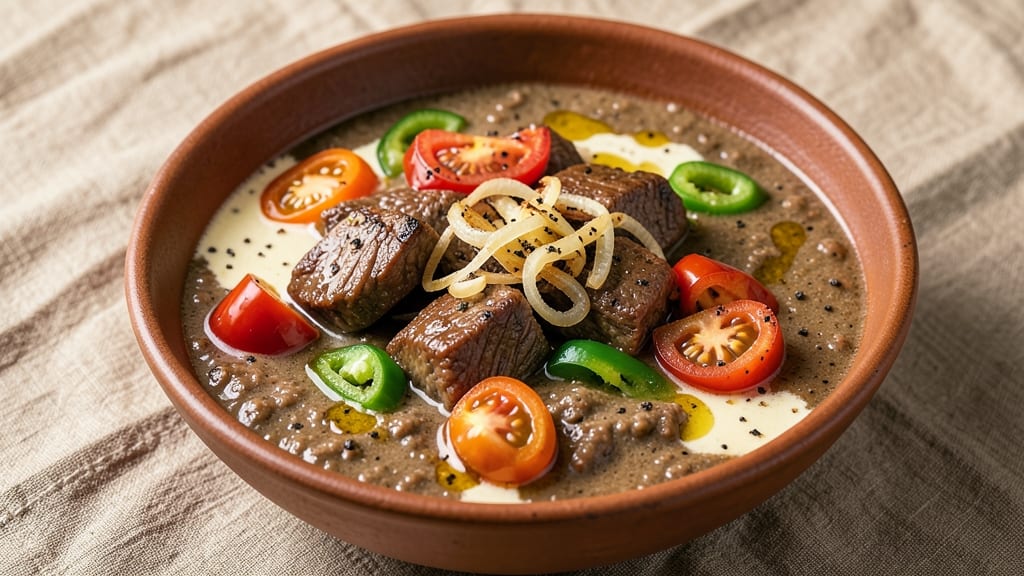
This beef egusi soup recipe delivers the rich, nutty depth of West African cuisine in every steaming bowl. The secret lies in properly toasting the egusi seeds until they release their full aroma, then grinding them into a smooth paste that thickens the broth just right.
I've perfected the balance between tender beef chunks and the earthy, slightly sweet flavor of the soup—no bitter aftertaste here.
The process begins with slow-cooking beef until it's fork-tender, then building layers of flavor through toasted spices and blended leafy greens. What makes this recipe stand out is the texture: a velvety broth that clings to each bite of meat, with just enough body to satisfy.
The egusi paste infuses the soup with its signature nutty richness while maintaining a smooth, velvety consistency.
By the time you serve this soup, you'll have achieved restaurant-quality results at home—deeply flavorful, hearty, and perfect for feeding a crowd. The tender beef falls apart with each spoonful, while the egusi adds a satisfying thickness that transforms this into a complete meal.
Serve with pounded yam, fufu, or rice to soak up every last drop of that flavorful broth.
This recipe preserves the traditional method while making it accessible for home cooks. The key is patience—letting the spices bloom and the beef cook low and slow ensures maximum flavor extraction.
Once you taste the difference between this homemade version and store-bought, you'll never go back to the bottled version again.
Ingredients for beef egusi soup
Six servings of rich, nutty beef egusi soup with tender meat and velvety texture.
| Ingredient | Amount | Notes |
|---|---|---|
| Beef Chuck Roast 🥩 | 2 lb | Cut into 1.5-inch cubes |
| Egusi Seeds 🥜 | 1 cup | Toasted until aromatic |
| Yellow Onions 🧅 | 2 whole | Medium size, chopped |
| Fresh Tomatoes 🍅 | 4 whole | Medium, blended |
| Fresh Red Bell Peppers 🌶️ | 2 whole | Blended with tomatoes |
| Fresh Ginger 🌿 | 1 tbsp | Grated, fresh preferred |
| Garlic Cloves 🧄 | 6 cloves | Minced for depth |
| Fresh Spinach 🌱 | 2 cups | Chopped, packed |
| Vegetable Oil 🫒 | ½ cup | For cooking beef |
| Ground White Pepper 🌶️ | 1 tsp | Freshly ground |
| Ground Nutmeg 🌿 | ½ tsp | Freshly grated |
| Salt 🧂 | 1 ½ tsp | Adjust to taste |
| Bay Leaves 🍃 | 2 whole | For aromatic depth |
| Thyme Leaves 🌿 | 1 tbsp | Fresh preferred |
| Stock Cubes 💧 | 2 whole | Beef stock preferred |
The egusi seeds are the heart of this soup. Look for high-quality, clean seeds—they should smell nutty and fresh, not stale. African markets or specialty stores often carry them, but you can also find them online. Toasting them until they're fragrant and lightly browned is crucial—they should smell like popcorn. The beef matters too: chuck roast gives the best texture, breaking down into tender chunks. Buy it from the butcher section, not pre-cut—it's cheaper and fresher. If you can't find egusi seeds, melon seeds work in a pinch, but the flavor won't be identical.
No fresh thyme? Dried thyme works at half the amount. The tomatoes and bell peppers should be ripe but firm—blend them with a splash of water to create a smooth base. For the ginger, powdered works but fresh is better. If you're short on spinach, kale or collard greens make great substitutes. The stock cubes should be beef-based for authenticity, but vegetarian cubes work if needed. The nutmeg adds warmth—don't skip it, but don't overdo it either. And if you're making a big batch, double the spices—they'll mellow as the soup cooks.
This soup tastes even better the next day as flavors meld. Store in an airtight container in the fridge for up to 5 days. For longer storage, freeze portions for 3 months. I like to portion it into containers with some broth—it reheats beautifully. The egusi paste can be made ahead and stored in the fridge for 1 week or frozen for 3 months. If you're serving a crowd, make the paste the day before—it saves time and ensures maximum flavor.
Why You'll Love This Recipe
- One-Pot Magic: I swear by this recipe—just toss everything in one pot, and the beef melts while the egusi thickens into that velvety texture. No fancy steps, no extra dishes. Honestly, the first time I made it, I almost skipped the onions, but now? I double-check they’re in.
- Rich Umami Bomb: That slow-cooked beef chuck? It falls apart like it’s been simmering for hours, but the real star is the egusi—nutty, earthy, with a subtle bitterness that balances the sweetness of the bell peppers and tomatoes. Between us, I’ve had guests ask for the recipe just for the soup base.
- Weeknight to Party: I make this for lazy Sundays, but it’s also my go-to for gatherings—served with pounded yam or rice, it’s hearty enough for a crowd but still feels special. The red bell peppers add a pop of color, so it looks as good as it tastes. (Yes, even on a Tuesday night.)
- Leftovers That Don’t Suck: Most soups get boring after day two, but this? It improves. The flavors deepen, and the egusi thickens into this luscious, almost stew-like consistency. I freeze half the batch because reheating it is basically instant comfort—no takeout needed. Budget win.
Step-by-step instructions for beef egusi soup
Here's the method for crafting rich, nutty egusi soup with perfectly tender beef cubes.
Prepare the Beef and Toast the Egusi Seeds
Cut the 2 lb beef chuck roast into 1.5-inch cubes and set aside. In a dry skillet over medium heat, toast the 1 cup egusi seeds for 3-4 minutes until they release their nutty aroma. Watch carefully—they'll darken quickly. Remove from heat immediately and grind them lightly in a mortar with a pestle (or pulse briefly in a food processor) to release their oils without turning into a paste.
This toasting step is crucial—it deepens the egusi flavor and prevents a bitter taste. Keep the toasted seeds nearby as you'll add them later. Meanwhile, heat 0.5 cup vegetable oil in a large pot over medium-high heat until shimmering. Add the beef cubes and brown them in batches for 2-3 minutes per side until they develop a deep golden crust. This searing step locks in flavor and ensures tender meat.
Build the Flavor Base with Aromatics
Remove the browned beef from the pot and set aside. In the same pot, add the chopped yellow onions and cook for 5 minutes until softened and translucent. Add the minced garlic cloves and grated fresh ginger, cooking for another 1 minute until fragrant—this releases their full flavor potential.
Stir in the blended fresh tomatoes and red bell peppers, 1.5 tsp salt, 1 tsp ground white pepper, 0.5 tsp ground nutmeg, 2 whole bay leaves, and 1 tbsp thyme leaves. Cook for 8-10 minutes until the mixture thickens slightly and the raw tomato taste disappears. This aromatic base forms the flavor foundation of your soup.
Simmer the Beef Until Tender
Return the browned beef to the pot along with the 2 whole stock cubes dissolved in 8 cups hot water. Bring to a boil, then reduce heat to low and simmer uncovered for 1 hour. You'll notice the beef releases its juices into the broth, creating a rich foundation. Skim off any foam that rises to the surface during the first 15 minutes of simmering—this ensures a clear, clean broth.
After 1 hour, check the beef tenderness by piercing a cube with a fork. It should be fork-tender but still hold its shape. If needed, continue simmering for another 15-20 minutes until perfectly tender. The soup should now have a deep, savory aroma with the nutmeg and thyme flavors mingling beautifully.
Incorporate the Egusi and Finish with Spinach
Gradually whisk in the toasted, lightly ground egusi seeds while stirring continuously to prevent clumping. Simmer for 5-7 minutes until the soup thickens slightly and the egusi releases its characteristic nutty flavor. The soup should coat the back of a spoon with a velvety texture—this is when you know it's properly incorporated.
Stir in the 2 cups chopped fresh spinach and cook for another 2-3 minutes until just wilted. The spinach should brighten the soup's color and add a fresh contrast to the rich, nutty flavors. Taste and adjust seasoning with additional salt if needed. The soup should be well-seasoned but balanced—each spoonful should deliver the complex flavors of the beef, egusi, and aromatic vegetables.
Serve with Complementary Sides
Remove the bay leaves from the soup before serving. Ladle the hot soup into bowls and serve immediately with pounded yam or garri for a complete meal. The contrast of the soft, starchy sides with the rich, nutty soup creates the perfect balance. Each bite should deliver tender beef cubes swimming in a velvety broth with pockets of nutty egusi and fresh spinach.
For best results, serve while hot—this soup tastes even better as it cools slightly, allowing all the flavors to meld together perfectly. The nutmeg and thyme will linger on your palate, while the beef remains tender and flavorful.
Pro Tips For Making Beef Egusi Soup
- Blister the Onions: I learned this the hard way—don’t just chop and toss those yellow onions into the pot. Sear them whole over medium-high heat until they’re blackened in spots (about 10 minutes). That caramelized bitterness cuts through the richness of the beef and balances the earthy egusi.
- Toast the Egusi: Skip the raw egusi shortcut—it’ll make your soup taste like chalk. Dry-toast the seeds in a skillet over low heat for 3-4 minutes, stirring constantly, until they smell nutty. Then grind them fresh (yes, even if it’s messy). The difference in texture and flavor is night and day.
- Don’t Rush the Beef: Chuck roast needs patience. After browning, simmer it in water with onions and peppers for at least 2 hours—3 if it’s tough—before adding tomatoes or egusi. The collagen will break down into gelatin, turning your soup from tough to fork-tender. (I know, I know, but trust the process.)
- Save the Tomato Water: When you blend your fresh tomatoes, don’t pour out the juice—strain it through a fine-mesh sieve into the soup. That liquid is packed with flavor, and adding it back guarantees a richer, more cohesive base. (Your future self will notice the difference.)
Serving suggestions for this beef egusi soup
Pounded Yam Pairing
This is my go-to side for beef egusi soup—its smooth, dough-like texture contrasts beautifully with the rich, nutty broth. I make it with 1 cup peeled yam soaked in water for 2 hours, then blended with ½ cup hot water and ½ tsp salt until ultra-smooth.
The key is steaming it in a bamboo basket over boiling water for 15-20 minutes until tender but still slightly firm. Serve warm in a bowl with a bit of soup spooned on top for dipping. 🥣
Garri with Palm Oil
For a lighter alternative, try garri (fermented cassava flakes) cooked with 2 tbsp palm oil and a pinch of salt. Heat 1 cup garri with 1 cup water in a pot, stirring constantly until it forms a thick, gluey consistency.
The garri's slightly sweet flavor balances the soup's earthiness perfectly. I like adding a few chopped scallions for freshness. 🌿
White Rice Option
If you prefer a more familiar texture, serve with jasmine rice cooked in beef broth instead of water. The grains absorb the soup's rich flavors beautifully. For extra depth, toast 1 tsp cumin seeds in the broth before adding rice.
I find this works especially well when serving to guests unfamiliar with traditional sides. The rice soaks up the nutty broth like a sponge. 🍚
Garnish Ideas
Finish each bowl with fresh cilantro leaves or scallions for brightness. I also love adding a sprinkle of toasted egusi seeds on top for extra crunch and visual appeal.
For heat lovers, a few crushed red pepper flakes add a nice kick. These garnishes elevate the presentation without overpowering the soup's natural flavors. 🌶️
Dipping Tips
Serve with small bowls of soup on the side for dipping. The traditional method is to spoon a bit of soup onto the side dish before eating—this creates the perfect flavor balance with each bite.
I also recommend having extra stock cubes dissolved in hot water ready for those who want to dilute their soup slightly. This is especially helpful if the soup is too rich for some palates. 💡
Leftovers Strategy
Store any leftover soup in airtight containers with a layer of oil on top to preserve freshness. Reheat gently on low heat with ½ cup water or broth per serving to restore the velvety texture.
I like serving reheated soup with fried plantains for a sweet contrast—the caramelized edges cut through the richness beautifully. 🍌
Nutrition facts
Frequently asked questions
Why does my egusi soup taste bitter?
Bitter flavor usually comes from either under-toasting the egusi seeds or using stale seeds. Always toast 1 cup egusi seeds in a dry skillet over medium heat for 3-4 minutes until aromatic and lightly browned. Fresh seeds should smell nutty, not stale. If you've already made the soup, balance the bitterness with a pinch of sugar or extra spinach to mellow the flavor.
Can I substitute beef with another protein?
Yes! For a lighter version, use chicken thighs (simmer for 25-30 minutes instead of 1 hour). For vegetarians, swap beef for mushrooms or tofu—just increase simmering time to 45 minutes to develop deep flavors. The egusi paste works perfectly with any protein, but beef gives the most authentic texture.
How do I make the soup thicker without adding more egusi?
Simmer the soup uncovered for 10-15 extra minutes to reduce the liquid naturally. For instant thickening, mix 1 tbsp cornstarch with 2 tbsp cold water, then whisk into the hot soup. Stir constantly until it reaches your desired consistency. The egusi should still provide body, but this method gives you control.
What's the best way to store leftover soup?
Store in airtight containers in the fridge for up to 5 days. For longer storage, freeze portions for 3 months. To reheat, add ½ cup water or broth per serving and simmer on low heat until hot. The texture may thin slightly, but the flavors stay rich. Always cool the soup completely before refrigerating to prevent bacterial growth.
Can I make the egusi paste ahead of time?
Toast and grind the egusi seeds as directed, then store the paste in an airtight container in the fridge for 1 week or freeze for 3 months. When ready to use, simply thaw and whisk into the simmering soup. Making it ahead saves time and ensures maximum flavor development. The paste can also be used in other dishes like stews or sauces.