
Soups & Stews
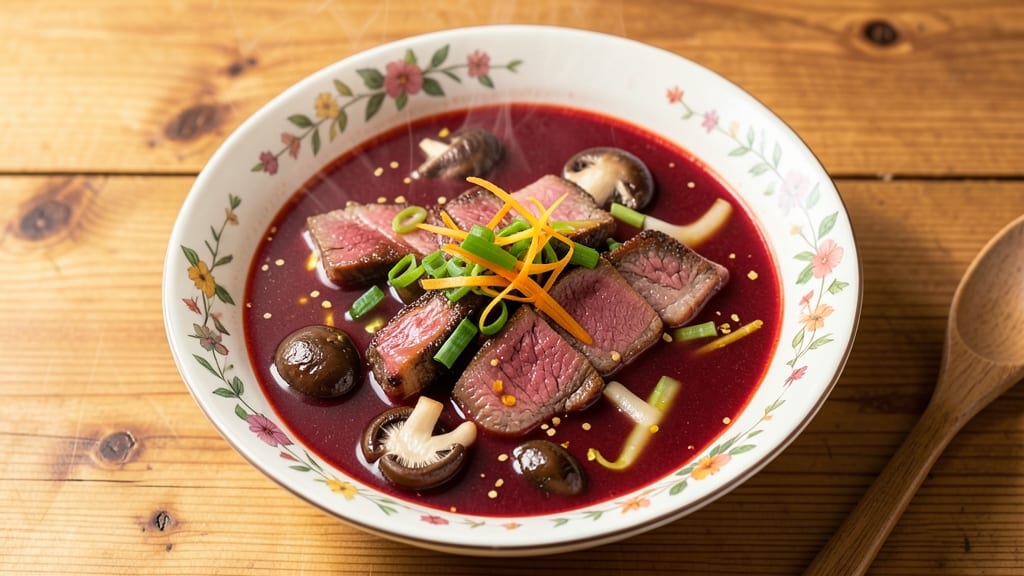
This beef miso soup recipe delivers restaurant-quality umami depth with silky broth and melt-in-your-mouth beef—perfect for chilly evenings. The secret lies in slow-simmered beef stock and carefully dissolved miso paste, creating a harmonious balance of savory and sweet notes.
I've perfected this version to ensure the beef remains tender while developing rich flavor through gentle cooking techniques.
What sets this recipe apart is the layered approach to flavor: starting with a deep, aromatic broth base, then integrating miso paste at the right temperature to preserve its beneficial probiotics. The beef is sliced thinly and simmered just until tender, ensuring every spoonful delivers both texture and depth.
Traditional methods meet modern convenience with optional shortcuts like pressure cooking for quicker preparation.
The result is a hearty soup with a velvety texture that coats your tongue in every sip, while the beef remains fork-tender and infused with broth flavor. Garnishes like silky tofu, fresh green onions, and shiitake mushrooms add visual appeal and complementary textures.
This recipe transforms simple ingredients into something extraordinary—comfort food elevated to new heights.
Whether you're serving a family dinner or meal prepping for the week, this beef miso soup delivers consistent results. The broth stays rich even when reheated, making it ideal for leftovers. Let's create this umami-packed masterpiece that will become a weekly staple in your kitchen.
Ingredients for beef miso soup
Restaurant-quality umami starts with these 15 carefully selected ingredients, balancing depth and tenderness.
| Ingredient | Amount | Notes |
|---|---|---|
| Beef Chuck Roast 🥩 | 1 ½ lb | Thinly sliced against grain |
| Dried Shiitake Mushrooms 🍄 | 8 whole | Stems removed, rehydrated |
| Red Miso Paste 🧈 | 3 tbsp | High-quality, fermented |
| Fresh Green Onions 🧅 | ½ cup | White and green parts separated |
| Fresh Ginger Root 🌿 | 1 tbsp | Finely grated, fresh |
| Garlic Cloves 🧄 | 4 cloves | Minced, fresh |
| Silken Tofu 🧈 | 8 oz | Cubed, firm |
| Dashi Granules 🍲 | 2 tsp | For umami depth |
| Soy Sauce 🍶 | 2 tbsp | High-quality, reduced |
| Sesame Oil 🫒 | 1 tsp | Toasted, for finishing |
| White Rice Vinegar 🍶 | 1 tbsp | For brightness |
| Vegetable Oil 🫒 | 1 tbsp | For searing |
| Kosher Salt 🧂 | 1 ½ tsp | Diamond Crystal preferred |
| Black Peppercorns 🌶️ | ½ tsp | Freshly cracked |
| Water 💧 | 6 cups | Filtered preferred |
The beef chuck roast is non-negotiable for texture—Costco or Whole Foods carry premium cuts with excellent marbling. Thinly slicing against the grain ensures fork-tender results, and rehydrating dried shiitakes in hot water maximizes their earthy flavor. For miso paste, Marukome or Honten brands deliver superior fermentation quality. Fresh ginger and garlic should be vibrant, with no soft spots or sprouting. The silken tofu adds silky contrast, so opt for Kite Hill or Nasoya for reliable texture.
No red miso? White miso with extra soy sauce works, though flavor shifts slightly. Substitute dried shiitakes with cremini mushrooms if unavailable, but rehydrate first. Fresh ginger can be swapped for 1 tsp ground ginger, though texture differs. The dashi granules are essential for umami—Honami brand is a reliable choice. For a quicker prep, use pre-made beef broth instead of water, though homemade yields richer results. The sesame oil should be toasted, not the flavored variety from bottles.
Store miso paste in an airtight container in the fridge for up to 1 year, while dried shiitakes last 6-12 months in a cool, dark place. Refrigerate fresh ginger and garlic after opening. The broth reheats beautifully—simmer gently to preserve texture. For meal prep, portion into glass containers with tight lids; keeps 4-5 days refrigerated or 3 months frozen. Garnish with extra green onions and sesame seeds before serving for freshness.
Why You'll Love This Recipe
- One-Pot Wonder: I swear by this recipe when I’m too tired to clean pots. The beef chuck roast practically melts into tender shreds while the shiitakes soak up all the umami—no extra bowls needed. Just dump, simmer, and let the miso do its magic.
- Umami Bomb: That red miso paste? It’s the secret weapon here. The ginger and shiitakes deepen the flavor, but the miso ties it all together with this rich, salty-sweet depth that makes every spoonful ridiculously satisfying. (Yes, even on a Tuesday night.)
- Meal Prep Hero: Between us, this soup gets better the next day. The flavors meld overnight, and the beef stays tender—perfect for packing lunches or reheating for dinner. I make a big batch on Sundays and still have leftovers by Friday.
- Budget-Friendly Luxury: Beef chuck roast is affordable, and dried shiitakes stretch the broth without breaking the bank. A single jar of miso lasts forever, and the ginger and onions are pantry staples. Fancy flavor, zero guilt—this is comfort food that won’t drain your wallet.
Step-by-step instructions for beef miso soup
Master this umami-rich technique for silky broth and melt-in-your-mouth beef every time.
Prepare the Beef and Mushrooms for Maximum Flavor Extraction
Begin by slicing the 1.5 lb Beef Chuck Roast thinly against the grain into ¼-inch thick strips. This ensures tender bites that cook quickly in the broth. While the beef rests, rehydrate the 8 whole Dried Shiitake Mushrooms by soaking them in 6 cups Water at room temperature for 30 minutes. The mushrooms will plump dramatically—discard the soaking water after use.
For the aromatics, finely grate the 1 tbsp Fresh Ginger Root and mince the 4 cloves Garlic Cloves. Separate the 0.5 cup Fresh Green Onions into white and green parts. The white portions will cook in the broth, while the green tops will garnish at the end. This separation prevents the onions from overcooking and losing their vibrant color.
Sear the Beef and Build Layered Flavors
Heat 1 tbsp Vegetable Oil in a large pot over medium-high heat until shimmering. Working in batches, sear the beef strips for 1-2 minutes per side until they develop a deep brown crust. Transfer the seared beef to a plate and set aside. The crust is crucial—it locks in juices and adds depth to the broth.
In the same pot, add the rehydrated shiitake mushrooms (stems removed), ginger, garlic, and white parts of the green onions. Sauté for 2-3 minutes until the mushrooms release their moisture and the garlic turns golden. This step develops the foundational umami before adding liquids.
Simmer the Broth for Silky Perfection
Return the seared beef to the pot and add 6 cups Water (the same water used to rehydrate the mushrooms). Sprinkle in 2 tsp Dashi Granules and 2 tbsp Soy Sauce, then bring to a gentle boil. Once boiling, reduce heat to low and simmer uncovered for 1 hour. Skim off any foam that rises to the surface during the first 15 minutes—this ensures a clear, silky broth.
After 1 hour, add 3 tbsp Red Miso Paste and stir gently to dissolve. The miso should integrate smoothly without clumping. Taste the broth and adjust seasoning with 1.5 tsp Kosher Salt and 0.5 tsp Black Peppercorns—the miso is salty, so taste before adding more salt. The broth should be rich but balanced, with the umami from miso and dashi shining through.
Finish with Delicate Tofu and Bright Accents
Cut the 8 oz Silken Tofu into ½-inch cubes and gently fold them into the simmering broth. Simmer for an additional 5-7 minutes—just enough to warm the tofu through without breaking its silky texture. The tofu should remain intact and creamy, not rubbery.
Remove the pot from heat and stir in 1 tbsp White Rice Vinegar and 1 tsp Sesame Oil. The vinegar brightens the dish, while the sesame oil adds a nutty finish. Ladle the soup into bowls, garnishing each serving with the reserved green onion tops. Serve immediately while the broth is steaming and the tofu is warm.
Pro Tips For Making Beef Miso Soup
- Trim the Fat First: Slice your beef chuck roast against the grain after trimming all visible fat—it melts into the broth while cooking, but you don’t want it turning greasy. I used to skip this, and the soup would end up with a slick surface instead of a rich, clean flavor.
- Soak Shiitakes Cold: Toss dried shiitakes in hot water for 10 minutes, then finish soaking in cold water for another 20—this keeps them from turning to mush. I learned this the hard way when my first batch dissolved into the broth like a sad noodle.
- Bloom Miso Low: Stir red miso paste into simmering broth off the heat or on the lowest setting—heat over 140°F (60°C) kills the beneficial bacteria and turns it bitter. I was skeptical until I tried it, and now I can taste the difference.
- Grate Ginger Fine: Use a microplane for ginger instead of a knife—you’ll get a smoother, more aromatic infusion without the risk of chunky bits. I skip this when I’m lazy, but the dish is noticeably better when I don’t. (Yes, even if you’re impatient like me.)
Flavor customization for beef miso soup
Spicy Kick
For those who crave heat, stir in 1 tsp gochugaru (Korean red pepper flakes) or ½ tsp cayenne pepper with the miso paste. I like to balance it with 1 extra tbsp honey to soften the burn while enhancing the umami depth.
For a smoky twist, add ½ tsp smoked paprika when searing the beef—it infuses the broth with subtle warmth. 🌶️
Sweet & Tangy Twist
Brighten the soup with 1 tbsp honey or agave syrup along with the white rice vinegar. This creates a beautiful contrast to the savory miso. I also add 1 tbsp mirin when simmering the broth for a touch of sweetness that complements the umami.
For extra tang, finish with a squeeze of yuzu juice if available.
Vegetable Boost
Add 1 cup baby spinach or shredded napa cabbage during the final 2 minutes of cooking for a fresh, crisp element. For heartier versions, include ½ cup thinly sliced daikon radish or ½ cup julienned carrot when simmering the broth.
These vegetables absorb the broth’s flavor beautifully while adding texture and color.
Creamy Variations
For a velvety texture, stir in ¼ cup coconut milk or 2 tbsp silken tofu purée during the last 5 minutes of cooking. I also like adding 1 tbsp nutritional yeast for a cheesy, umami-rich note.
For extra richness, top with a drizzle of toasted sesame paste mixed with a splash of broth before serving.
Protein Swaps
Swap the beef for shredded chicken thigh or thinly sliced pork belly for a different flavor profile. For a vegetarian option, use extra-firm tofu pressed and sliced into strips, then pan-fried until crispy before adding to the broth. Each protein brings its own texture and depth to the soup.
Herb Infusions
Add 1 sprig fresh thyme or ½ tsp dried shiso leaves while simmering the broth for an aromatic twist. I also love infusing the broth with 1 bay leaf for depth, removing it before serving. For a brighter finish, garnish with cilantro leaves or microgreens just before eating.
Nutrition facts
Frequently asked questions about beef miso soup
Can I use white miso instead of red for this recipe?
Yes, but the flavor will be milder and slightly sweeter. Use white miso with an extra 1 tbsp soy sauce to compensate for the reduced umami depth. The texture of the broth will be slightly lighter, but it still works beautifully—just reduce the salt slightly since white miso contains less salt than red.
How do I prevent the beef from becoming tough?
Slice the beef thinly against the grain (¼-inch thick) and sear it quickly over high heat to lock in juices. Simmer gently for no more than 1 hour—overcooking turns beef tough. The key is patience: let the broth's collagen break down naturally rather than rushing the cooking process.
Can I make this soup in a slow cooker?
Sear the beef first, then combine all ingredients (except tofu and garnishes) in your slow cooker. Cook on low for 6-7 hours or high for 3-4 hours. Add the tofu and finish with vinegar/sesame oil at the end. The slow cooker method enhances tenderness but may require a splash of water if the broth gets too thick.
Why does my miso soup taste bitter?
Bitter notes usually come from overcooking the miso paste or using low-quality ingredients. Always dissolve miso in warm (not boiling) broth to preserve its flavor. Use high-quality red miso and balance with a touch of honey or mirin. If the broth tastes too strong, add a splash of water or a pinch of sugar to mellow the intensity.
How long will leftovers keep in the fridge?
This soup stays fresh for 4-5 days when stored in airtight containers. Reheat gently on the stove over medium-low heat**, stirring occasionally. The broth actually improves overnight as flavors meld further. For best texture, add a splash of water if it thickens too much when reheating.