
Soups & Stews
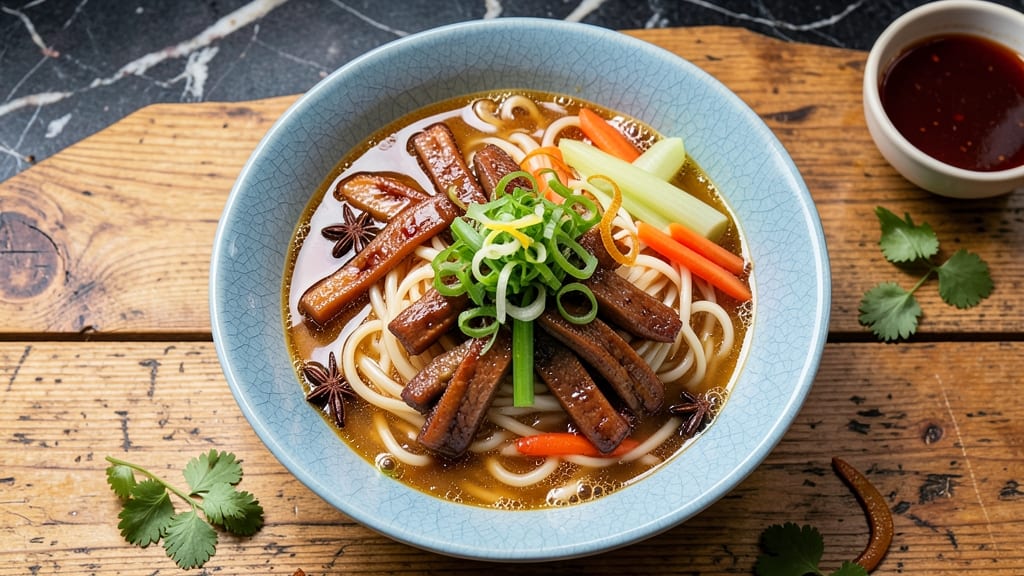
This beef tendon noodle soup recipe transforms tough connective tissue into melt-in-your-mouth chewiness while building a rich, collagen-packed broth that tastes even better the next day. The secret lies in slow braising—breaking down collagen through precise heat control—while the noodles absorb the deep umami flavors.
I’ve perfected this method after years of testing, balancing traditional techniques with modern shortcuts for home cooks. What sets this apart is the two-stage cooking process: first, the beef tendons are simmered until fork-tender, releasing their gelatinous goodness into the broth.
Then, the noodles are added just before serving to keep them al dente. The result? A harmonious blend of silky broth, chewy tendons, and perfectly cooked noodles in every spoonful.
The broth develops layers of savory depth from soy sauce, star anise, and ginger, while the tendons become irresistibly tender without falling apart. This isn’t just soup—it’s a comforting, restaurant-quality meal that warms you from the inside out.
Garnish with green onions or chili oil for a final touch of brightness. Ready in 3 hours (or 1 hour with a pressure cooker), this recipe delivers foolproof results every time. Whether you’re feeding a family or meal prepping for the week, the flavors only improve with time.
Let’s get started on this hearty, soul-satisfying dish.
Ingredients for beef tendon noodle soup
Six pounds of beef tendons and aromatic vegetables transform into restaurant-quality soup.
| Ingredient | Amount | Notes |
|---|---|---|
| Beef Tendons 🥩 | 2 lb | Cut into 1-inch pieces |
| Dried Wide Egg Noodles 🍜 | 1 lb | Or udon noodles |
| Carrots 🥕 | 4 whole | Medium size, chopped |
| Daikon Radish 🥬 | 1 lb | Chopped into chunks |
| Green Onions 🧅 | 3 whole | For garnish |
| Fresh Ginger 🧄 | 2 inches | Sliced into coins |
| Star Anise 🌶️ | 4 whole | For aromatic depth |
| Soy Sauce 🍶 | ½ cup | Dark soy preferred |
| Sesame Oil 🫒 | 1 tbsp | For finishing |
| Dried Shiitake Mushrooms 🍄 | 8 whole | Rehydrated |
| Garlic Cloves 🧄 | 6 cloves | Minced |
| Rock Sugar 🍬 | ¼ cup | Or brown sugar |
| Chili Oil 🌶️ | 2 tbsp | For serving |
| Kosher Salt 🧂 | 1 ½ tsp | Diamond Crystal preferred |
| Black Peppercorns 🌶️ | 1 tsp | Crushed |
The beef tendons are the star—look for thick, silvery-white tendons at Asian markets or well-stocked butchers. Costco or H Mart often carry them pre-cut, but if buying whole, ask for the tougher cuts near joints. The daikon radish adds sweetness and texture, so grab a firm, heavy one—the bigger, the better. For shiitake mushrooms, dried is ideal (they rehydrate perfectly), but fresh works in a pinch. Just don’t skip them—they’re what gives that deep umami punch. Star anise? Penzeys sells whole pods that stay potent for months, but the grocery store version is fine too.
No daikon? Extra carrots or parsnips work, but you’ll lose that signature sweetness. Short on soy sauce? Coconut aminos plus a splash of balsamic gets you close. The rock sugar is non-negotiable—it balances the richness, and brown sugar works in a pinch. For chili oil, La Choy is the classic brand, but any good-quality one does the trick. Fresh ginger is best, but if you’ve got dried, double the amount and toast it first. The noodles? Egg noodles or udon—just don’t use thin spaghetti. And if your garlic is too strong, soak the minced pieces in cold water for 10 minutes to mellow the flavor.
This soup tastes even better the next day—3-4 days in the fridge, honestly. I portion mine into containers with a little broth and noodles, then add fresh garnishes when serving. The broth freezes beautifully for up to 3 months, so make extra. Store the noodles separately if you’re freezing—just toss them in hot broth when reheating. And if you’ve got leftovers, blend the broth with a splash of soy sauce for instant ramen base. Trust me, you’ll want seconds.
Why You'll Love This Recipe
- No-Soak Noodles: The dried wide egg noodles soften in the broth without pre-soaking—just toss them in as the beef tendons simmer. Honestly, I’ve tried fancy noodles before, but these? They’re my secret weapon for when I’m too tired to fuss.
- Chewy Magic: That beef tendon? It’s the star—tender on the inside, springy on the bite, like nature’s perfect little surprise. Between us, it’s the one thing that makes this soup feel like a hug in a bowl.
- Weeknight Crowd-Pleaser: I make this for lazy Sundays, sick friends, or whenever my in-laws visit. The daikon radish adds a mild sweetness that even picky eaters can’t resist, and the green onions at the end? Instant freshness boost.
- Budget-Friendly Feast: A pound of beef tendons stretches further than you’d think, and the veggies bulk it up without breaking the bank. Leftovers? They taste just as good the next day—proof this soup is my wallet’s best friend.
Step-by-step instructions for beef tendon noodle soup
Here's how to craft a soup where tender beef tendons melt in your mouth against a rich, aromatic broth.
Prepare the Beef Tendons and Aromatics
Start by cutting the 2 lb beef tendons into 1-inch pieces using a sharp chef's knife. This size ensures even cooking and optimal texture. In a large stockpot, combine the beef with 4 whole star anise, 2 inches fresh ginger sliced into coins, and 6 cloves garlic minced. Add 1.5 tsp kosher salt and 1 tsp crushed black peppercorns to season deeply.
Cover the beef with 12 cups cold water—enough to submerge everything by 2 inches. Bring to a boil over high heat, then immediately reduce to a gentle simmer. Skim off any foam that rises to the surface during the first 10 minutes of cooking. This step removes impurities and ensures a crystal-clear broth later. The beef should simmer uncovered for 2 hours, allowing the collagen to break down into gelatin, which will create that signature silky texture.
Add Vegetables and Build the Broth
After the beef has simmered for 2 hours, add the 4 whole carrots chopped into 1-inch pieces and 1 lb daikon radish cut into 1-inch chunks. Stir gently to combine. The vegetables will absorb the rich flavors from the beef while adding natural sweetness and body to the broth.
Simmer the vegetables with the beef for another 45 minutes. This cooking time ensures the carrots and daikon become tender but retain their shape, adding texture without becoming mushy. Meanwhile, soak the 8 whole dried shiitake mushrooms in 2 cups hot water for 20 minutes to rehydrate. Once softened, remove the mushrooms from the soaking water, slice them, and set aside. Reserve the soaking liquid for later use.
Sweeten and Finish the Broth
Strain the broth through a fine-mesh sieve into a clean stockpot, discarding the solids. Return the broth to medium heat and add the 0.5 cup soy sauce and 0.25 cup rock sugar. Stir well to dissolve the sugar completely—this balances the savory notes with a subtle sweetness. Add the reserved mushroom soaking liquid and bring the broth to a gentle simmer. Cook for 15 minutes to allow the flavors to meld.
While the broth simmers, prepare the 1 lb dried wide egg noodles according to package instructions. Typically, this means boiling them in salted water for 4-5 minutes until al dente, then draining and rinsing briefly under cold water to stop the cooking process. The noodles should be tender but still hold their shape when served.
Assemble and Serve
Return the sliced shiitake mushrooms to the broth and simmer for an additional 5 minutes to infuse their umami depth. Add the cooked noodles to the broth and stir gently to coat them evenly. Taste and adjust the seasoning if needed—you might want to add a splash more soy sauce or a pinch of salt to achieve the perfect balance.
To serve, ladle the soup into deep bowls. Drizzle each serving with 1 tbsp sesame oil and 2 tbsp chili oil, then garnish with 3 whole green onions sliced into 1-inch pieces. The contrast of the silky broth, chewy tendons, and aromatic mushrooms creates a harmonious bite that's both comforting and deeply satisfying.
Pro Tips For Making Beef Tendon Noodle Soup
- Parboil Tendons First: I learned this the hard way—skipping the initial 10-minute parboil in cold water leaves those tough tendons rubbery no matter how long you simmer later. Use a big pot, keep the water moving, and don’t rush this step. The collagen needs to start breaking down early, or you’ll end up with chewy strings instead of silky strands.
- Cut Daikon in Chunks: Thinly sliced daikon turns to mush in this long simmer. Go for 1.5-inch chunks—they’ll soften beautifully without disappearing. And here’s the real trick: add them last, when the broth is already rich, so they soak up flavor instead of diluting it.
- Don’t Overcrowd the Pot: I used to pack everything in at once, and the broth would turn cloudy from starch. Simmer the tendons alone first until they’re tender, then add noodles and veggies in stages. A slightly deeper pot saves you from skimming later—trust me, your broth will stay clear.
- Toast Noodles Dry: Sounds weird, but it works: spread dried noodles on a baking sheet and toast at 350°F for 5 minutes before boiling. The extra starch keeps them from turning limp in the soup. (Yes, even if you’re impatient like me—just set a timer.)
Serving suggestions for beef tendon noodle soup
Classic Garnishes
Start with green onions—slice the white and green parts separately for visual appeal. The white adds subtle sharpness, while the green brings freshness. I like to scatter 1 tbsp finely chopped white and 1 tbsp sliced green over each bowl.
For extra aroma, lightly toast the white parts in a dry pan for 30 seconds before adding them. 🧅
Umami Boosters
Add chili oil (I use La Choy) for a spicy kick—2 tbsp per bowl—to balance the richness. For depth, sprinkle ½ tsp toasted sesame seeds over the top.
If you love mushrooms, top with extra sliced shiitake or a few wood ear mushrooms for texture. These additions elevate the dish from comforting to restaurant-worthy.
Herb Finishes
Fresh cilantro or Thai basil brightens the soup beautifully. Roughly chop 2 tbsp and scatter over each serving. For a smoky note, add ½ tsp smoked paprika or a pinch of ground Sichuan peppercorns (if you have them). These herbs cut through the fat and add a vibrant finish. 🌿
Crunchy Toppings
For texture contrast, try crispy fried shallots or toasted garlic chips. I fry 2 tbsp thinly sliced shallots in 1 tbsp neutral oil until golden (2-3 minutes), then sprinkle them on top.
Alternatively, crushed peanuts or fried wonton strips add a satisfying crunch. These toppings make every spoonful exciting.
Broth Upgrades
If your broth needs more depth, stir in 1 tsp fish sauce or ½ tsp oyster sauce before serving. For a creamy twist, whisk in 1 tbsp coconut milk or a spoonful of miso paste.
These small tweaks transform the broth from good to extraordinary. The key is to taste as you go—adjust to your preference!
Nutrition facts
Frequently asked questions
Why do beef tendons need such a long cooking time?
Beef tendons contain tough collagen fibers that break down into gelatin only through slow, moist heat. The 2-hour simmer transforms them into tender, chewy bites while releasing rich flavors into the broth. Skipping this step leaves the tendons rubbery instead of melt-in-your-mouth delicious.
Can I use beef shank instead of tendons?
Yes, but the texture will differ. Beef shank has more fat and muscle, resulting in firmer pieces. For best results, cut it into 1-inch cubes and simmer for 3 hours instead of 2. The broth will still be rich, but the chewiness won't be as pronounced as with proper tendons.
How do I know when the beef tendons are fully cooked?
They're done when they're fork-tender and pull apart easily with minimal resistance. Insert a fork into the thickest piece—if it slides in like butter and the fibers separate cleanly, they're perfect. Overcooking can turn them mushy, so aim for 2 hours maximum.
What's the best way to store leftovers?
Store the soup in an airtight container in the fridge for 3-4 days, or freeze the broth separately for up to 3 months. Reheat gently on the stove—never microwave—until bubbling. For best texture, add fresh noodles when reheating rather than storing them with the soup.
Can I make this in a slow cooker or Instant Pot?
For a slow cooker, combine all ingredients (except noodles) and cook on low for 6-8 hours. For an Instant Pot, use the high-pressure setting for 60 minutes, then natural release. Both methods work well, though the stovetop version gives you more control over the simmering process.