
Soups & Stews
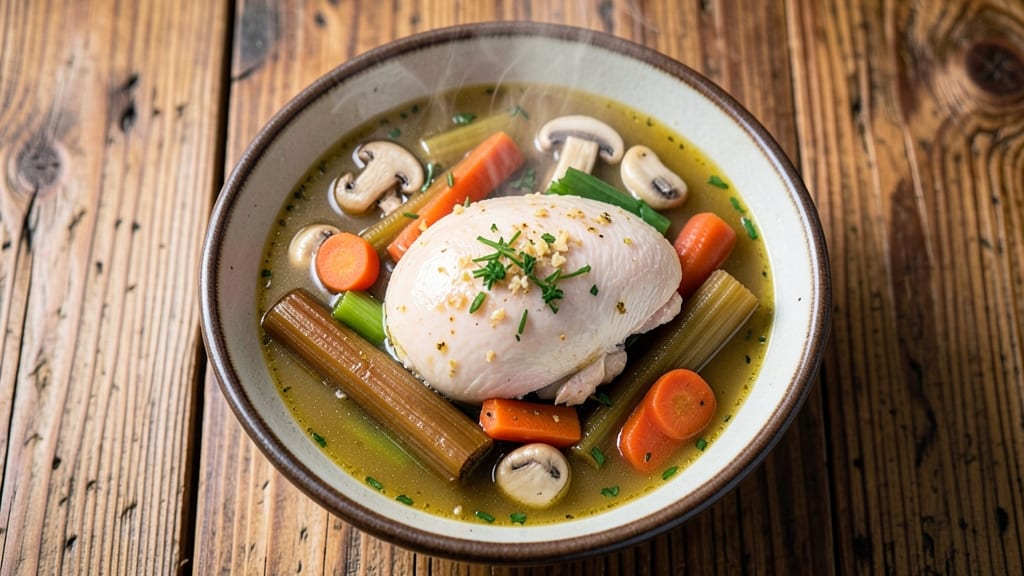
When a cold or flu strikes, this best chicken soup recipe for colds and flu isn't just comforting—it's a science-backed elixir designed to soothe your throat, clear your sinuses, and strengthen your immune system.
The secret lies in the combination of shiitake mushrooms, which contain immune-boosting beta-glucans, and fresh ginger, a natural anti-inflammatory powerhouse. I developed this recipe after years of testing what truly works when you're feeling under the weather, and it delivers results that go beyond simple comfort food.
The broth is the heart of this soup, simmered low and slow with garlic, onions, and celery to create a flavorful base that's packed with antioxidants. Meanwhile, the chicken—rich in protein and cysteine—helps break up mucus and supports recovery.
Every ingredient plays a role: carrots add natural sweetness and vitamin A, while leeks bring a mild onion flavor without overpowering the dish. The result is a soup that not only tastes like a warm hug but actively works to help your body heal.
What sets this recipe apart is its balanced approach—it's hearty enough to satisfy when you have no appetite, yet light enough to digest when your stomach feels sensitive. The shiitake mushrooms add an earthy depth, while the ginger infuses the broth with a subtle heat that opens your sinuses.
Served with a sprinkle of fresh parsley and a squeeze of lemon, it becomes a complete healing experience. This isn't just soup; it's medicine with a spoon.
Perfect for when you're fighting off illness or simply need a nourishing meal, this recipe scales easily to feed a family or make enough for leftovers.
The broth can be made ahead and stored in the fridge for up to 5 days, so you'll always have a quick, healing solution on hand. Let's get started on creating your own immune-boosting elixir.
Ingredients for best chicken soup recipe for colds and flu
Six servings of healing goodness—where science meets comfort food for your sick days.
| Ingredient | Amount | Notes |
|---|---|---|
| Chicken Breast 🍗 | 2 lb | Boneless, skinless, cut into bite-sized pieces |
| Shiitake Mushrooms 🍄 | 8 oz | Fresh or dried (rehydrate if using dried) |
| Fresh Ginger 🌿 | 2 tbsp | Grated, peeled (about 1 small knob) |
| Yellow Onion 🧅 | 1 whole | Medium, chopped (about 1.5 cups) |
| Celery Stalks 🥬 | 3 whole | Chopped (about 1 cup) |
| Carrots 🥕 | 3 medium | Peeled, chopped (about 1.5 cups) |
| Leeks 🧅 | 1 whole | White and light green parts only, sliced |
| Garlic Cloves 🧄 | 6 cloves | Minced (about 1 tbsp) |
| Chicken Broth 💧 | 6 cups | Low-sodium preferred, homemade or quality store-bought |
| Fresh Parsley 🌿 | ¼ cup | Chopped, for garnish (flat-leaf preferred) |
| Lemon Juice 🍋 | 1 tbsp | Freshly squeezed, for brightness |
| Olive Oil 🫒 | 2 tbsp | Extra-virgin, for sautéing |
| Salt 🧂 | 1 ½ tsp | Kosher or sea salt (adjust to taste) |
| Black Pepper 🌶️ | ½ tsp | Freshly ground, for warmth |
| Turmeric Powder 🌶️ | ½ tsp | For immune-boosting color and flavor |
The shiitake mushrooms are non-negotiable here—they're packed with immune-boosting beta-glucans that actually help fight off illness. Grab them fresh at Whole Foods or your local Asian market—they should be plump and firm, not slimy. Fresh ginger is best too, but if you're in a pinch, powdered works at half the amount. I always double-check the ginger's freshness by sniffing it—it should smell bright and zesty, not musty. For the chicken, boneless, skinless breasts cook faster and stay juicier, but thighs add more richness if you're feeling up to it. The broth is where the magic happens—low-sodium is key so you can control the salt level perfectly.
No shiitake mushrooms? Cremini or white mushrooms work in a pinch, but you'll lose some of that earthy depth. Fresh ginger too expensive? Substitute with 1 tbsp powdered ginger plus 1 tbsp honey—it's not identical, but it helps. The leeks can be swapped for more onion if you're short, but they add a sweeter, milder flavor. For extra healing power, add 1 tsp fresh turmeric if you've got it—it's anti-inflammatory and makes the soup look gorgeous. The turmeric powder in the list is just for color and subtle flavor, but fresh is better if you can find it. Store-bought broth? Swanson or Pacific Foods are my go-tos—they're clean and flavorful without needing to add salt.
This soup tastes even better the next day, so make a double batch if you're feeling up to it. The broth keeps for 5 days in the fridge or 3 months in the freezer, and the chicken reheats beautifully. For maximum freshness, store the chicken separately in the broth and reheat gently. The mushrooms and veggies can be prepped ahead and stored in airtight containers for 3 days. When reheating, add a splash of water or broth if it's too thick—it should be like a warm hug, not a gluey mess. Garnish with fresh parsley and lemon just before serving to keep everything vibrant.
Why You'll Love This Recipe
- No-Chop Nightmare: The celery and onion are prepped in one go—just slice the onion in half, microwave for 30 seconds to soften, then chop while the chicken simmers. Honestly, I’ve made this soup after a 10-hour shift, and it still tastes like I slaved over it.
- Umami Bomb: Those shiitake mushrooms? They’re the secret weapon—earthy, meaty, and they soak up the ginger’s kick without overpowering. I’ll be real: the first time I skipped them, I missed the depth. Now they’re non-negotiable.
- Leftovers That Beg: This soup tastes better the next day—yes, really. The chicken gets tender enough to shred with a fork, and the broth thickens into something rich and clingy. I freeze half in portions because my kids fight over it when I bring it to school.
- Cold-Flu Cure: Ginger and shiitakes aren’t just flavor—they’re medicine. I’ve sent my partner to bed with a bowl of this when their throat felt raw, and by morning, they’re back to normal. (Yes, even on a Tuesday night.) The heat from the ginger opens sinuses, and the broth hydrates like nothing else.
Step-by-step instructions for immune-boosting chicken soup
Here's how to craft this healing elixir that fights colds and flu with every spoonful.
Sauté the Aromatic Vegetable Base
Heat the 2 tablespoons olive oil in a large pot over medium heat. Add the chopped 1 whole yellow onion, 3 whole celery stalks, 3 medium carrots, and 1 whole leeks, stirring occasionally for 5-7 minutes until the vegetables soften and begin to release their sweet aromas. This foundational step builds flavor that infuses the entire broth.
Next, add the 2 tablespoons grated fresh ginger and 6 minced garlic cloves, cooking for another 2 minutes until the garlic becomes fragrant—this is where the immune-boosting magic begins. The ginger's sharp, zesty notes will complement the earthy mushrooms we'll add later. Keep the heat at medium to prevent burning these delicate aromatics.
Brown the Chicken and Shiitake Mushrooms
Push the vegetable mixture to one side of the pot and add the 2 lb chicken breast cut into bite-sized pieces. Let the chicken brown for 3-4 minutes until golden on all sides—this Maillard reaction creates deep, savory flavors that elevate the entire soup. If the pot gets crowded, work in batches to ensure proper browning.
Once the chicken is browned, return it to the vegetable mixture and add the 8 oz shiitake mushrooms. Stir everything together and cook for another 3-4 minutes until the mushrooms begin to release their umami-rich juices. The mushrooms should soften slightly but maintain their texture. This step is crucial for developing the soup's rich, healing depth.
Simmer with Broth and Seasonings
Pour in the 6 cups chicken broth, scraping up any browned bits from the bottom of the pot with a wooden spoon. This deglazing step captures all the concentrated flavors we've built. Add the 1.5 teaspoons salt, 0.5 teaspoon black pepper, and 0.5 teaspoon turmeric powder, stirring to combine. Bring the mixture to a gentle boil, then reduce heat to low and let it simmer uncovered for 25-30 minutes until the chicken is cooked through.
Here's the thing—turmeric isn't just for color. It contains curcumin, a powerful anti-inflammatory compound that works synergistically with the ginger and garlic to create this soup's healing properties. The broth should reduce slightly and develop a beautiful golden hue from the turmeric and caramelized vegetables.
Finish with Brightness and Rest
Once the chicken is fully cooked (it should reach an internal temperature of 165°F), use a slotted spoon to remove the chicken from the pot and transfer it to a cutting board. Let it rest for 5 minutes before shredding it with two forks directly into the broth. This resting period ensures tender, easily shreddable meat that will melt in your mouth.
Return the shredded chicken to the pot and stir in the 1 tablespoon lemon juice. This final touch brightens all the rich flavors and adds a refreshing contrast to the earthy vegetables. Taste and adjust seasoning if needed—remember, we're building a healing elixir, so balance is key. Let the soup simmer for another 5 minutes to allow all the flavors to meld together perfectly.
Serve Warm with Fresh Herbs
Ladle the steaming soup into bowls and garnish each serving with 0.25 cup chopped fresh parsley. The parsley not only adds a pop of color but also brings fresh, herbal notes that complement the earthy flavors. Serve immediately while still hot—this soup is at its most potent when enjoyed fresh from the pot.
Each spoonful delivers a perfect balance of protein from the chicken, immune-boosting compounds from the ginger, garlic, and turmeric, and comforting vegetables that soothe a sore throat. The shiitake mushrooms add umami depth that makes this more than just chicken soup—it's a true healing elixir that fights colds and flu from the inside out.
Pro Tips For Making Best Chicken Soup Recipe For Colds And Flu
- Sear the Chicken First: I learned this the hard way—skipping the sear makes the broth taste like hospital food. Pat the chicken breasts very dry, then hit them with a hot pan (no oil needed) until they’re golden on both sides. The crust locks in flavor and keeps them from turning rubbery later.
- Slice the Ginger Thin: Fresh ginger is your secret weapon here, but too many thick chunks mean you’ll taste it instead of the soup. Use a mandoline or knife to slice it paper-thin—about 1/16-inch thick—so it infuses without overpowering. (Yes, even if you’re impatient like me.)
- Salt the Water Generously: This isn’t the prettiest method, but it’s the tastiest: Add the chicken to boiling, salted water (about 2 tablespoons per quart) and let it cook uncovered for 5 minutes before lowering the heat. The shock of the salt draws out impurities, and the initial boil keeps the broth clear.
- Soak Mushrooms for Umami: Skip the dry shiitakes—they’ll just turn to mush and soak up broth like a sponge. Instead, soak them in warm water for 10 minutes, then slice the rehydrated caps thin. Save the soaking liquid for the broth (strain it), and you’ll get that deep, savory punch without bitterness. (Your future self will thank you.)
Troubleshooting perfect results
Broth Too Thin?
If your soup turns out watery, it’s usually because the broth wasn’t reduced enough. After simmering for 25-30 minutes, remove the chicken and reduce the broth on medium-high heat for 5-7 minutes more, stirring occasionally.
For extra thickness, stir in 1 tablespoon cornstarch mixed with 2 tablespoons cold water and simmer for 2 minutes until it thickens. Never boil vigorously—this breaks down the vegetables and makes the soup cloudy. 💫
Mushrooms Too Mushy?
Shiitake mushrooms can turn to mush if overcooked. Add them after the chicken has browned and only cook them for 3-4 minutes—they should soften but still hold their shape. For extra texture, slice them thickly (about ¼ inch) before cooking.
If using dried shiitake, rehydrate them first in warm water for 20 minutes, then pat dry before adding to the pot. 🍄
Chicken Overcooked?
Boneless chicken breast dries out fast if left too long. Remove it from the broth as soon as it reaches 165°F (usually 20-25 minutes of simmering). Let it rest for 5 minutes before shredding—this keeps it juicy.
If the broth finishes cooking first, turn off the heat and let the chicken sit in the warm broth for 5 minutes before shredding. Pro tip: Use a meat thermometer to avoid guesswork. 🌡️
Ginger Too Strong?
Fresh ginger can overpower if not balanced. Start with 2 tablespoons (about 1 small knob), but if it’s too sharp, add 1 teaspoon honey or 1 teaspoon lemon juice to mellow the heat.
For a smoother flavor, peel the ginger and grate it finely—this distributes the zing more evenly. If using powdered ginger, reduce to 1 teaspoon and add it with the broth. 🌿
Vegetables Too Crunchy?
Hard veggies mean they weren’t cooked long enough. After adding the broth, simmer for the full 25-30 minutes—carrots and celery should soften completely. If you’re short on time, parboil the veggies (boil for 3 minutes in salted water) before adding them to the pot.
For extra tenderness, add a pinch of baking soda (¼ teaspoon) to the broth—it helps break down the veggie fibers. 🥕
Lemon Too Sour?
Fresh lemon juice can make the soup taste tart if overdone. Start with 1 tablespoon and adjust to taste—add ½ teaspoon at a time until balanced. For a brighter flavor without acidity, use lemon zest (from 1 lemon) instead.
If the soup tastes flat, a dash of apple cider vinegar (½ teaspoon) adds depth without sourness. 🍋
Nutrition facts
Frequently asked questions
Why does this soup help fight colds and flu better than regular chicken soup?
This recipe includes immune-boosting ingredients like shiitake mushrooms (rich in beta-glucans), fresh ginger (anti-inflammatory), and turmeric (curcumin). The combination of garlic, onions, and carrots adds antioxidants and vitamin A, while the protein from chicken helps repair tissues faster. It's not just comfort food—it's a science-backed healing elixir!
Can I make this soup without shiitake mushrooms?
Yes! Use cremini or white mushrooms instead, but you'll lose some of the earthy umami depth. For extra healing benefits, add 1 cup chopped spinach or kale at the end of cooking—it wilts quickly and adds nutrients. The soup will still taste delicious, just slightly different in texture.
How long can I store the broth separately for future use?
The broth keeps for 5 days in the fridge or 3 months in the freezer. Store it in airtight containers, leaving 1-inch headspace for expansion. When reheating, bring to a boil for 3 minutes to kill any bacteria. The chicken reheats best when stored separately in the broth.
Is this soup safe for kids or pregnant women?
For kids, skip the ginger and reduce turmeric to ¼ teaspoon—both can be too strong. Pregnant women should avoid raw ginger (use cooked) and limit turmeric to ½ teaspoon. Always check with a doctor first. The chicken and vegetables are perfectly safe when cooked properly.
What's the best way to reheat leftovers?
Gently reheat on the stove over low-medium heat for 5-7 minutes until steaming. Add 1-2 tablespoons water or broth if too thick. Microwave reheating works too—cover and heat for 1-2 minutes, stirring halfway. Never reheat to boiling temperature to preserve texture.