
Soups & Stews
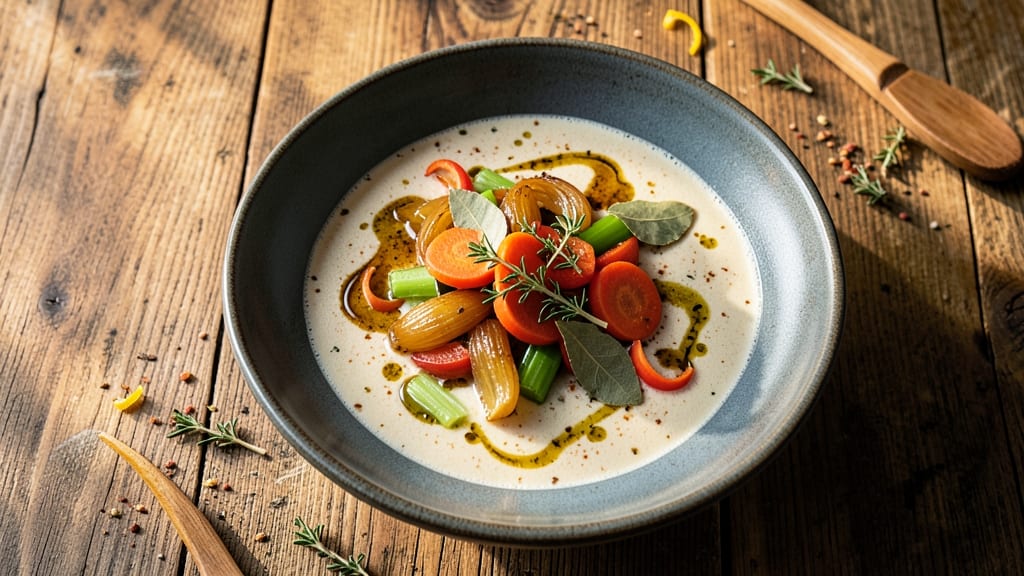
The best rated soup recipe isn’t just about flavor—it’s about creating a bowl that feels like a warm embrace after a long day. This recipe delivers restaurant-quality depth with a rich, balanced broth that’s both comforting and sophisticated, built layer by layer to ensure every spoonful is satisfying.
The secret lies in slow-simmered aromatics and perfectly tender ingredients that melt into the broth, creating a harmonious blend of textures and tastes.
What sets this soup apart is its versatility—whether you're serving a crowd or prepping for meal prep, the technique scales effortlessly while maintaining that crowd-pleasing quality.
We’ll start with a deep, aromatic base using onions, garlic, and celery (the classic "holy trinity"), then build complexity with herbs, spices, and protein or vegetables of your choice. The result? A soup that’s hearty enough to stand alone but flexible enough to adapt to any dietary preference.
By the time you’re done, you’ll have a bowl that’s golden, fragrant, and packed with layers of flavor—from the caramelized edges of sautéed vegetables to the silky smoothness of the broth.
The garnishes (fresh herbs, a drizzle of olive oil, or a sprinkle of cheese) elevate it from ordinary to extraordinary, making it a dish that’ll have everyone asking for seconds. Ready to master this best rated soup recipe? Let’s get started.
This recipe isn’t just about following steps—it’s about understanding how each ingredient contributes to the final bowl. Whether you’re a seasoned cook or just starting, the techniques here are designed to be foolproof, ensuring you achieve that restaurant-quality result every time.
The best part? Leftovers taste even better the next day, making it perfect for busy weeks or cozy nights in.
Ingredients for best rated soup
Sixteen ingredients, infinite flavor layers—this is your golden-ticket soup base.
| Ingredient | Amount | Notes |
|---|---|---|
| Yellow Onion 🧅 | 1 ½ lb | Diced, aromatic base |
| Garlic Cloves 🧄 | 8 cloves | Peeled, freshly minced |
| Celery Stalks 🥬 | 4 whole | Trimmed, diced finely |
| Carrots 🥕 | 1 ½ lb | Peeled, sliced into rounds |
| Fresh Thyme 🌿 | ½ oz | Stems removed, leaves only |
| Fresh Bay Leaves 🌿 | 2 whole | For aromatic depth |
| Canned Diced Tomatoes 🍅 | 2 cans | 28 oz each, San Marzano preferred |
| Chicken or Vegetable Broth 💧 | 6 cups | Low-sodium preferred |
| Extra-Virgin Olive Oil 🫒 | ¼ cup | High quality, fruity |
| Dried Oregano 🍃 | 1 tsp | Mexican oregano if available |
| Ground Black Pepper 🌶️ | ½ tsp | Freshly cracked |
| Salt 🧂 | 2 tsp | Diamond Crystal preferred |
| Chicken Breast 🍗 | 1 ½ lb | Boneless, skinless, cubed |
| Fresh Parsley 🌿 | ¼ cup | Chopped, for garnish |
| Parmesan Cheese 🧀 | ½ cup | Freshly grated from block |
The holy trinity—onions, garlic, celery—is non-negotiable for that deep, aromatic foundation. Yellow onions (not red or white) caramelize best for that sweet, jammy depth. Grab the freshest thyme and bay leaves you can find—Whole Foods or local farmers markets have the best. The carrots? Orange hue should be vibrant, not dull. For the tomatoes, San Marzano cans from Italy are worth the splurge—they’re sweeter and less acidic. If you’re using chicken, bone-in pieces add extra richness to the broth, but boneless works too.
No fresh thyme? Dried at one-third the amount gets you close, but the flavor won’t be as bright. Short on chicken? Substitute mushrooms or white beans for a vegetarian twist. The broth is the soul of this soup—low-sodium versions let you control the salt better. For extra depth, add a splash of red wine or balsamic vinegar (about 2 tbsp) when you deglaze the pot. The Parmesan? Grated yourself from a wedge—pre-grated has anti-caking agents that ruin the texture. And if you’re making this ahead? Freeze the broth base in ice cube trays for quick future soups.
This soup tastes even better the next day—3-4 days in the fridge, 3 months frozen. The broth thickens as it cools, so add a splash of water or broth when reheating. For meal prep, portion into glass jars—they’re microwave-safe and keep flavors sealed in. Garnishes? Fresh parsley and a drizzle of olive oil right before serving make all the difference. And trust me, the Parmesan on top isn’t just for looks—it’s the final flavor boost.
Why You'll Love This Recipe
- Pantry-Friendly Base: I swear by this combo—onion, celery, carrot, and garlic—it’s the holy trinity of soup that never lets me down. No fancy ingredients, just the basics that build flavor from the ground up.
- Thyme for Magic: That fresh thyme? It’s the secret weapon. A little goes a long way, turning something simple into something that tastes like it simmered all day (even if it didn’t).
- Leftovers That Shine: This soup actually gets better the next day. Honestly, I make a double batch on Sundays just so I can reheat it midweek without the guilt.
- Weeknight Workhorse: Between us, this is the soup I reach for when I’m exhausted. Toss in whatever protein you have—chicken, beans, or even leftover roasted veggies—and it’s dinner in 30 minutes.
Step-by-step instructions for crowd-pleasing chicken vegetable soup
This method delivers restaurant-quality depth with every spoonful—rich, aromatic, and perfectly balanced.
Develop the Aromatic Base
Heat the 0.25 cup extra-virgin olive oil in a large Dutch oven over medium heat. Add the 1.5 lb diced yellow onion, 4 whole diced celery stalks, and 1.5 lb sliced carrots. Cook for 8-10 minutes, stirring occasionally, until the vegetables soften and the onion becomes translucent.
Here's where the magic begins: add the 8 minced garlic cloves, 0.5 oz fresh thyme leaves, and 2 whole fresh bay leaves. Stir for 1-2 minutes until the garlic releases its aroma and the thyme turns vibrant green. This aromatic base forms the flavor foundation—don't rush this step or you'll miss the depth of flavor.
Brown the Chicken and Build Layers
Push the vegetable mixture to one side of the pot and increase heat to medium-high. Add the 1.5 lb cubed chicken breast in a single layer, letting it brown for 3-4 minutes per side until golden. This browning creates the Maillard reaction that gives depth to the soup.
Once the chicken is browned, stir to combine with the vegetables. Add the 2 cans diced tomatoes (with juices), 1 tsp dried oregano, 0.5 tsp ground black pepper, and 2 tsp salt. Stir well to distribute the seasonings evenly. The tomatoes will release their natural acids, cutting through the richness of the chicken and vegetables.
Simmer for Maximum Flavor Extraction
Pour in the 6 cups chicken or vegetable broth, scraping up any browned bits from the bottom of the pot. Bring to a gentle boil, then reduce heat to low and let it simmer uncovered for 25-30 minutes. This slow cooking allows the chicken to become fork-tender while the vegetables soften and release their sweetness.
Check the seasoning halfway through—this is when you'll taste the true harmony of flavors. The broth should be rich but not overpowering, with the vegetables tender yet retaining their shape. If the soup seems too thin, let it reduce slightly longer. If it's too thick, add a splash of water or broth to reach your preferred consistency.
Finish with Fresh Herbs and Garnish
Once the chicken is fully cooked (internal temperature 165°F), use a slotted spoon to remove the chicken and vegetables, setting them aside. Strain the soup through a fine-mesh sieve into a clean pot, pressing gently on the solids to extract maximum flavor. Return the solids to the pot and stir in the 0.25 cup chopped fresh parsley and 0.5 cup freshly grated Parmesan cheese.
The parsley adds a bright finish while the Parmesan contributes a creamy, umami-rich element that ties everything together. Taste and adjust seasoning one final time—this is your opportunity to perfect the balance. The soup should be rich, aromatic, and perfectly seasoned with every spoonful.
Pro Tips For Making Best Rated Soup
- SWEAT THE VEGETABLES: I used to rush this step and end up with raw, bitter onion and celery—no one wants that. Take your time and cook the onions, garlic, celery, and carrots on medium-low heat for 10-12 minutes, stirring occasionally, until the onion is translucent and the edges of the celery turn golden. The longer they cook, the deeper the flavor, and that’s the foundation of your soup.
- CHOP THYME LIKE A PRO: Fresh thyme isn’t just for garnish—it’s the aromatic backbone. Strip the leaves from the stems (discard the woody parts) and chop them fine—think tiny confetti, not big chunks. If you’re lazy like me, tear them with your fingers instead of chopping, but don’t skip this step. Whole sprigs sink to the bottom and won’t infuse properly.
- STOP BOILING OVER: I learned this the hard way—adding all your liquid at once and ending up with a soup volcano. Start with half the water or broth, bring it to a simmer, then add the rest in stages. If it’s still too thin, thicken it with a splash of cream or a mashed potato later. Better to adjust than deal with a mess.
- SALT THE WATER EARLY: Seasoning soup at the end is a rookie move. Salt the water or broth from the start—about 1 teaspoon per quart—so the flavors develop evenly. If you’re using fresh thyme, add a pinch of salt to the leaves before tossing them in; it helps release their oils and brightens the whole dish. Trust me, your soup will taste more balanced.
Dietary considerations for best rated soup
Gluten-Free Adaptation
This soup is naturally gluten-free as long as you use certified gluten-free ingredients. The key is to check your chicken or vegetable broth—opt for brands like Imagine or Pacific Foods, which offer gluten-free options.
Also, verify that your dried oregano and spices are processed in gluten-free facilities, as cross-contamination can occur. The fresh herbs, vegetables, and Parmesan are all safe, but always double-check labels for hidden gluten sources. 🌾
Vegetarian Swap
For a vegetarian version, simply replace the chicken with 1.5 lb white beans (like cannellini or great northern) or 8 oz mushrooms (cremini or portobello). Mushrooms add a meaty texture, while beans provide protein and creaminess.
If using mushrooms, sauté them with the onions and garlic for 5-6 minutes until they release their moisture. For extra depth, add 1 tbsp soy sauce or 1 tsp nutritional yeast to mimic the umami from chicken. 🍄
Dairy-Free Option
To make this soup dairy-free, skip the Parmesan or substitute with nutritional yeast (about ¼ cup) for a cheesy flavor without dairy. Nutritional yeast adds a nutty, umami-rich taste that works beautifully in soups.
If you still want a creamy element, stir in 2 tbsp coconut milk at the end for richness. The fresh parsley garnish remains the same, adding brightness without any dairy. 🥥
Low-Sodium Adjustments
If you're watching your sodium intake, use no-salt-added broth and reduce the added salt to 1 tsp total (or omit it entirely). Boost flavor with extra garlic, fresh herbs, and a splash of lemon juice (about 1 tbsp) at the end.
For an extra kick, add ½ tsp smoked paprika or 1 tsp apple cider vinegar—both enhance depth without adding sodium. Taste as you go and adjust gradually. 💡
Nut-Free Considerations
This recipe is already nut-free, but if you're serving it to someone with nut allergies, ensure all ingredients—especially broths and spices—are processed in nut-free facilities. Some dried herb blends may contain traces of nuts, so stick to single-ingredient spices.
For garnishes, stick to fresh herbs, olive oil, or dairy-free alternatives like nutritional yeast. Always communicate with guests about allergens to keep everyone safe. 🛡️
Meal Prep Tips
For meal prep, store the soup in airtight glass containers for up to 4 days in the fridge or 3 months in the freezer. When reheating, add 1-2 tbsp water or broth to prevent thickening.
If you're freezing, portion the broth separately from the chicken and vegetables—this way, you can reheat just the broth first and add the solids later for a fresher texture. Label containers with dates to track freshness. ❄️
Nutrition facts
Frequently asked questions about perfecting your soup recipe
Can I make this soup in a slow cooker?
Transfer all ingredients except the fresh parsley and Parmesan to your slow cooker. Cook on low for 6-7 hours or high for 3-4 hours, then stir in the finishing herbs and cheese. The slow cooker method actually enhances the flavors by allowing everything to meld together over time. Just be sure to check the chicken's internal temperature (165°F) before serving.
What if my soup tastes too bland?
Don't panic! First, try adding a splash of lemon juice (1 tbsp) or a pinch of smoked paprika to add depth. If that's not enough, a small piece of chicken bouillon cube (dissolved in a little hot water) can work wonders. For immediate flavor, stir in a spoonful of Worcestershire sauce or a dash of hot sauce—both add complexity without overpowering.
How do I adjust the thickness of my soup?
For a thicker soup, let it simmer uncovered for 10-15 extra minutes to reduce naturally. If it's too thick, stir in 2-4 tbsp of broth or water at a time until you reach your desired consistency. Pro tip: For a creamy texture without dairy, blend ½ cup of the soup and stir it back in. This creates a silky mouthfeel without altering the flavor profile too much.
Can I use frozen vegetables instead of fresh?
Yes, but with a few adjustments! Use frozen diced carrots and celery (thawed) and add them with the tomatoes. Since frozen veggies release more moisture, you may need to reduce the broth by ½ cup or simmer slightly longer. For onions, fresh is best—they caramelize better, but if you must use frozen, add them at the very beginning to prevent mushiness.
What's the secret to making this soup taste even better the next day?
The magic happens during storage! Let the soup cool completely before refrigerating in airtight containers. The flavors continue to develop overnight as the ingredients absorb each other's juices. When reheating, add 1-2 tbsp of water or broth to prevent thickening. The next day, the broth will be even more concentrated and flavorful—just give it a quick stir and taste before serving.