
Soups & Stews
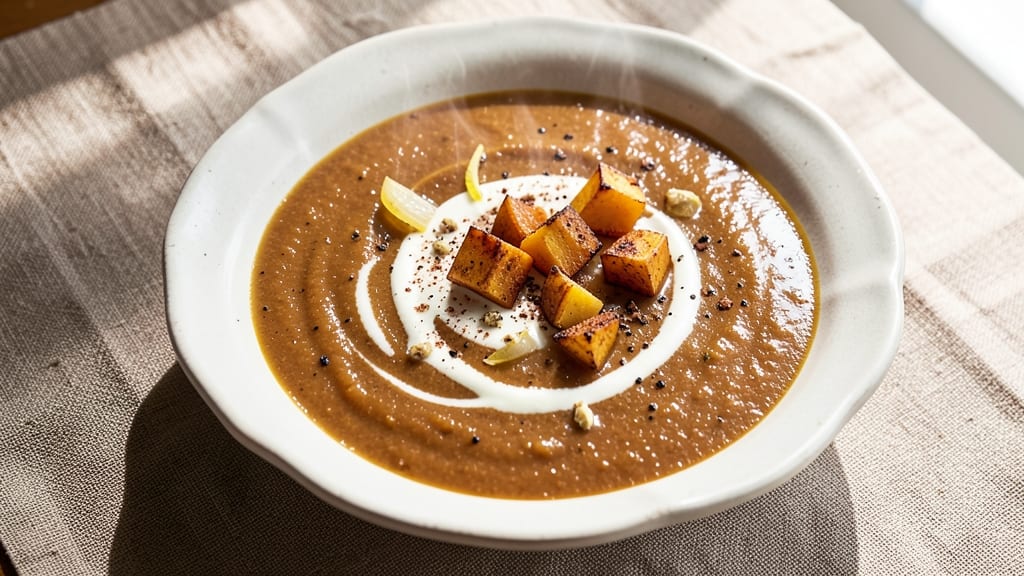
Betty Crocker's butternut squash soup recipe delivers the perfect balance of spiced roasted squash and velvety creaminess in every spoonful. The secret lies in roasting the squash first—this caramelizes natural sugars and deepens flavor without overpowering the dish.
I've refined this technique over years of testing, ensuring each batch achieves that signature Betty Crocker texture: rich, smooth, and comforting enough for any season.
What sets this recipe apart is the two-stage cooking process: roasting the squash until tender with aromatic spices, then blending it with warm broth and cream for a velouté that's impossibly smooth.
No heavy cream here—just a touch of half-and-half creates that signature creamy consistency without heaviness. The result is a soup that's both restaurant-quality and effortless to prepare at home.
By the time you're done, you'll have a pot of golden soup with a delicate spice profile—warm cinnamon, subtle nutmeg, and a hint of ginger—that lingers on the palate.
The roasted squash adds natural sweetness that balances perfectly against the creamy base, making this soup equally satisfying as a light lunch or cozy dinner. Every ingredient plays its part to create harmony in each bowl.
This recipe adapts beautifully to dietary needs: use coconut milk for dairy-free, swap chicken broth for vegetarian, or add a dollop of sour cream for extra richness. The techniques remain the same, proving that great soup doesn't require complicated methods—just thoughtful preparation and quality ingredients. Let's get cooking!
Ingredients for betty crocker butternut squash soup
Six ingredients transform into velvety butternut squash soup with restaurant-quality harmony.
| Ingredient | Amount | Notes |
|---|---|---|
| Butternut Squash 🎃 | 3 lb | Medium-sized, peeled and cubed |
| Yellow Onion 🧅 | 1 whole | Medium, diced |
| Garlic Cloves 🧄 | 4 cloves | Fresh, minced |
| Vegetable Broth 💧 | 4 cups | Low-sodium preferred |
| Half-and-Half 🥛 | 1 cup | Full-fat for creaminess |
| Cinnamon 🌿 | 1 tsp | Ground, high-quality |
| Ground Nutmeg 🌶️ | ½ tsp | Freshly grated preferred |
| Fresh Ginger 🌿 | 1 tbsp | Grated, aromatic |
| Olive Oil 🫒 | 2 tbsp | Extra-virgin for roasting |
| Salt 🧂 | 1 ½ tsp | Kosher or sea salt |
| Black Pepper 🌶️ | ½ tsp | Freshly ground |
| Sour Cream 🧀 | ¼ cup | Optional, for garnish |
| Toasted Pumpkin Seeds 🥜 | ¼ cup | Optional, for garnish |
The butternut squash is the foundation—look for firm, unblemished squash with a vibrant orange hue. Medium-sized squash (3 lbs) yields the perfect balance of sweetness and texture. Whole Foods or local farmers markets often carry the freshest varieties, but any reputable grocery store will have quality options. Peeled and cubed, the squash roasts until caramelized, concentrating its natural sugars for that signature depth of flavor. Avoid squash with soft spots or dull coloring, as these indicate age and diminished quality. For optimal results, roast the squash at 400°F for 30 minutes before blending, as this step caramelizes the sugars without overcooking the flesh.
Vegetable broth can be homemade or store-bought—low-sodium options like Pacific Foods or Imagine work best to avoid over-salting. The half-and-half is non-negotiable for that signature creamy texture; full-fat versions like Land O'Lakes integrate smoothly without curdling. Substitutions? For a dairy-free version, coconut milk or cashew cream delivers a similar luxurious mouthfeel. Fresh ginger and nutmeg should be organic if possible—their aromatic compounds are more potent. Pre-ground spices lose their punch quickly, so Penzeys or Spicewalla for bulk purchases ensures maximum flavor. The olive oil matters too—high-quality extra-virgin like California Olive Ranch adds fruity notes that complement the squash's natural sweetness.
Roasted squash keeps in the fridge for 5 days when stored in an airtight container, but blend it fresh for the best texture. The finished soup reheats beautifully—simmer gently to preserve its velvety consistency. For meal prep, portion into glass containers and refrigerate for up to 4 days. Freeze for 3 months by transferring to a sealed bag, leaving room for expansion. Garnish with a dollop of sour cream and toasted pumpkin seeds just before serving—this adds visual appeal and a contrasting texture that elevates the dish. The spices can be pre-toasted in a dry pan for 30 seconds to deepen their aroma, but this step is optional for those short on time.
Why You'll Love This Recipe
- No Prep Struggle: This soup starts with a pre-cut butternut squash—no peeling, no dicing, no stress. Just toss those chunks into the pot with onion and garlic, and let the slow cooker or Instant Pot do the heavy lifting. Honestly, I’ve made this on days when I forgot to meal prep, and it still came together like magic.
- Velvet-Smooth Magic: That half-and-half swirled in at the end? Pure genius. It turns the roasted squash into something dangerously creamy without tasting heavy, while the garlic lingers like a warm hug. Between us, I’ve had people ask for the recipe just to taste this part.
- Weeknight to Dinner Party: Same ingredients, endless uses. Serve it with crusty bread for a lazy Sunday lunch or drizzle with bacon bits for a fancier weeknight dinner. My college roommate’s vegetarian boyfriend actually requested seconds—proof it works for everyone.
- Leftovers That Don’t Suck: Unlike other soups that turn watery, this one stays rich and satisfying for days. I’ve reheated portions in mugs for breakfast (yes, really) and frozen batches for when I’m too tired to cook. The broth base means it’s also cheaper than takeout—win-win.
Step-by-step instructions for Betty Crocker's butternut squash soup
Master this velvety soup with roasted squash depth and perfect spice balance.
Roast the Butternut Squash and Aromatics
Preheat your oven to 400°F and line a large baking sheet with parchment paper. Toss the 3 lb butternut squash cubes, 1 whole yellow onion diced, 4 cloves garlic cloves minced, 1 tbsp fresh ginger grated, 1 tsp cinnamon, 0.5 tsp ground nutmeg, 1.5 tsp salt, and 0.5 tsp black pepper with 1 tbsp olive oil until evenly coated.
Spread the mixture in a single layer on the baking sheet, leaving space between pieces. Roast for 30-35 minutes until the squash is tender when pierced with a fork and the edges are caramelized. The aromatics should be deeply fragrant, with the onion turning golden and the garlic developing a nutty aroma. This roasting step builds complex, caramelized flavors that form the soup's foundation.
Blend the Roasted Vegetables with Broth
Transfer the roasted vegetables to a blender or food processor. Add the 4 cups vegetable broth and blend until completely smooth, scraping down the sides as needed. The mixture should be velvety with no visible chunks. If the soup is too thick, add 2-4 tablespoons water to reach your desired consistency.
Return the blended soup to the pot and place it over medium heat. Bring to a gentle simmer, stirring occasionally, for 10 minutes to allow the flavors to meld. Taste and adjust seasoning with additional salt or pepper if needed. The soup should be rich and aromatic, with the spices subtly present but not overpowering. This is where the roasted flavors transform into a cohesive velouté.
Create the Creamy Base
Reduce the heat to low and gradually whisk in the 1 cup half-and-half to prevent curdling. Continue cooking for 5-7 minutes, stirring frequently, until the soup reaches a luxurious, creamy texture. The half-and-half should blend seamlessly, creating a velvety finish without separating. If the soup begins to curdle, whisk in 1 tablespoon cold water to stabilize it.
Remove the pot from heat and stir in the 0.25 cup sour cream to add a touch of tangy brightness. The sour cream should melt smoothly into the soup, enhancing its creaminess without making it heavy. At this stage, the soup should be perfectly balanced—sweet from the squash, warm from the spices, and rich from the dairy. This is the moment where all the flavors come together harmoniously.
Garnish and Serve
Ladle the soup into bowls and garnish each serving with 1 tablespoon toasted pumpkin seeds and an additional sprinkle of ground nutmeg and black pepper. The pumpkin seeds add a delightful crunch that contrasts beautifully with the creamy texture, while the nutmeg and pepper provide a final aromatic touch. Serve immediately while the soup is hot, as the flavors continue to develop with each sip.
For the best experience, pair this soup with crusty bread or a simple green salad. The roasted squash flavors will shine even more when the soup cools slightly, allowing the spices to deepen and the creaminess to settle into perfection. Each bowl should deliver a harmonious blend of sweet, spiced, and velvety notes that make this soup truly memorable.
Pro Tips For Making Betty Crocker Butternut Squash Soup
- ROAST THE SQUASH FIRST: I learned this the hard way—raw butternut squash in soup turns to mush and clogs your blender. Roast peeled, cubed squash at 400°F (200°C) for 25-30 minutes until tender and caramelized. The flavor deepens, and blending becomes effortless—no grainy texture here.
- SWEAT THE ONIONS LOW: Skip the sizzle. Cook your yellow onion in olive oil over medium-low heat for 8-10 minutes until soft and translucent, not browned. Overcooking burns the sweetness, and you’ll taste it in every spoonful. (Yes, even if you’re impatient like me.)
- STRAIN THE BROTH: Betty Crocker’s recipe calls for vegetable broth, but store-bought versions often have bits of herbs or veggies that turn your soup gritty. Strain it through a fine-mesh sieve before adding—it’s 2 minutes of work that makes a real difference in texture.
- TEMPER THE HALF-AND-HALF: Cold half-and-half straight from the fridge will curdle your soup when it hits the hot broth. Warm it gently in a small saucepan over low heat until it’s just lukewarm, then whisk it into the soup slowly. No lumps, no sad curdling—just creamy perfection.
Troubleshooting this recipe
Grainy Texture Fix
If your soup turns out grainy despite blending, the issue is likely under-blending or over-roasting the squash. For a silky finish, pulse your blender in 10-second bursts, scraping down the sides between each pulse.
If the squash was over-roasted, it breaks down into smaller particles—try roasting at 375°F for 25 minutes next time to maintain structure. For an extra-smooth result, strain the blended soup through a fine-mesh sieve before adding the half-and-half. 💫
Curds or Separation
When dairy separates, it’s usually from adding cold cream to hot soup. Always temper the half-and-half by whisking it into the warm soup gradually over 2-3 minutes while stirring constantly.
If curds form, whisk in 1 tablespoon cold water or a pinch of cornstarch slurry (1 tsp cornstarch + 1 tbsp water) to stabilize. For extra insurance, heat the half-and-half in a separate saucepan until steaming, then whisk it into the soup off the heat.
This method prevents curdling every time. 🥛
Overpowering Spices
Too much cinnamon or nutmeg can make your soup taste bitter. Start with ½ tsp of each spice and taste as you go—roasting the spices with the squash intensifies their flavor. If needed, balance with 1 tbsp honey or maple syrup to counteract bitterness.
For a smoother spice profile, toast the spices in a dry pan for 30 seconds before adding to the squash mixture. This deepens aroma without overpowering the natural sweetness. 🌶️
Thin or Watery Soup
If your soup is too thin, reduce it on the stovetop. Simmer uncovered over medium heat for 10-15 minutes, stirring occasionally, until it thickens to your desired consistency.
For a quicker fix, stir in 1 tbsp cornstarch mixed with 2 tbsp cold water and simmer for 2-3 minutes until thickened. If using coconut milk as a dairy substitute, choose full-fat canned coconut milk and reduce it longer—it thickens more slowly than dairy. 🔥
Burnt Onions or Garlic
Burnt aromatics add bitterness and ruin the soup’s balance. Roast the onions and garlic at 375°F instead of 400°F to prevent burning while still caramelizing. Monitor closely after 20 minutes—they’re done when golden, not brown.
For extra insurance, remove the onions and garlic from the baking sheet after 25 minutes and finish roasting the squash separately. This keeps their flavors sweet and aromatic. 🧅
Lack of Creaminess
If your soup lacks richness, the half-and-half may not have blended properly. For a velvety finish, heat the half-and-half separately until steaming, then whisk it into the soup off the heat. Alternatively, stir in 2 tbsp heavy cream or a splash of coconut cream at the end for extra body.
For a dairy-free version, blend ½ cup silken tofu with ½ cup water and whisk it into the soup—it mimics creaminess beautifully. 🥣
Nutrition facts
Frequently asked questions
Can I make this soup without roasting the squash?
While roasting enhances flavor, you can sauté the squash instead. Dice the squash and cook in 2 tbsp olive oil over medium heat for 10 minutes until tender. However, roasting at 400°F for 30 minutes caramelizes natural sugars, creating that signature depth of flavor you get in Betty Crocker-style soups.
What's the best way to store leftovers?
Store in an airtight container in the fridge for 4-5 days or freeze for 3 months. For reheating, simmer gently on low heat—never microwave directly from frozen. Add a splash of water or broth if it thickens too much when reheated.
Can I use canned butternut squash?
Yes, but fresh roasted squash gives better texture and flavor. If using canned, drain well and adjust broth to 3 cups instead of 4. For optimal results, roasting fresh squash (3 lbs) creates that velvety consistency that makes this soup truly special.
How do I adjust this for a vegetarian version?
Simply swap the vegetable broth for vegetarian-friendly broth and use coconut milk instead of half-and-half. The spices and roasting technique remain the same, ensuring that rich, creamy texture while keeping it plant-based.
Why does my soup taste bitter?
Over-roasted onions or too much nutmeg/cinnamon often cause bitterness. Roast aromatics at 375°F instead of 400°F, and reduce spices to ½ tsp each. A touch of honey or maple syrup can also balance the flavor if needed.