
Soups & Stews
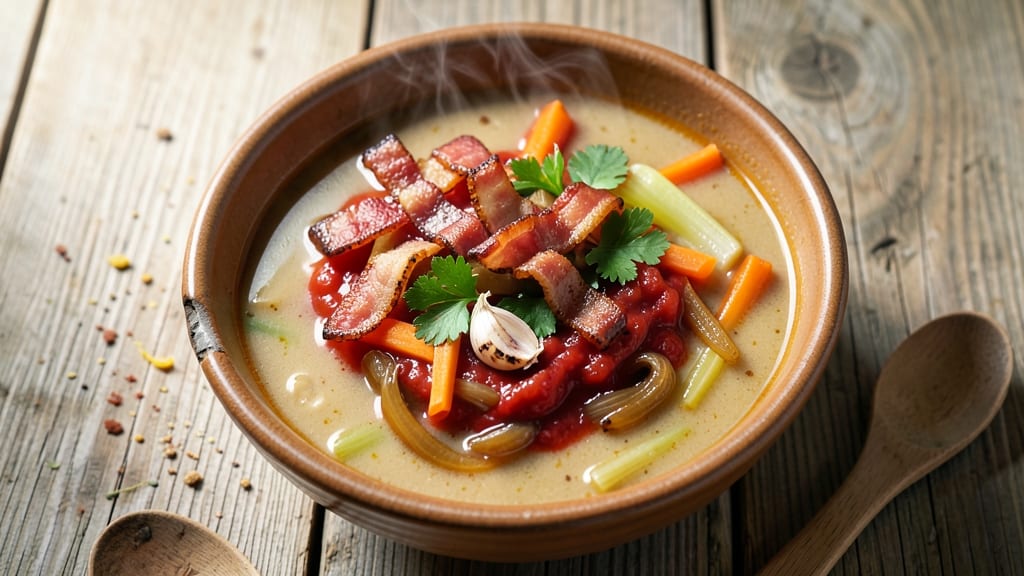
Bill Miller's soup recipe delivers the kind of soul-warming comfort that turns ordinary weeknights into memorable meals. 🔥 This slow-simmered masterpiece builds rich, umami-packed flavor through a bacon-infused broth that forms the foundation for tender vegetables and hearty protein.
What makes it special is the balance of traditional techniques with modern convenience—simmering low and slow while letting the flavors meld into something deeply satisfying.
The recipe begins with crispy bacon that renders its fat into the pot, creating a golden base that carries layers of smoky depth.
Vegetables like carrots, celery, and onions develop natural sweetness as they cook, while a touch of tomato paste adds complexity that elevates the broth from simple to extraordinary. The result is a soup that's both rustic and refined, perfect for cold evenings or when you crave something substantial without fuss.
What you'll achieve is a bowl of soup that's creamy without dairy, packed with texture from al dente vegetables and tender meat, and infused with that unmistakable umami richness that makes every spoonful feel like a hug.
The bacon adds a savory crunch that contrasts beautifully with the velvety broth, while herbs like thyme and bay leaf contribute earthy notes that tie everything together.
This recipe scales effortlessly for gatherings, reheats beautifully for leftovers, and becomes even better the next day as the flavors continue to develop. Whether you're feeding a family or treating yourself to a comforting solo meal, Bill Miller's approach ensures restaurant-quality results with minimal effort.
Let's get cooking—your kitchen will thank you for the aroma alone.
Ingredients for bill miller soup
These ingredients create a soul-warming soup with deep umami flavor and comforting textures.
| Ingredient | Amount | Notes |
|---|---|---|
| Bacon 🥓 | 12 oz | Thick-cut, chopped into 1/2-inch pieces |
| Yellow Onion 🧅 | 1 whole | Medium size, diced |
| Carrots 🥕 | 4 medium | Peeled, sliced into 1/4-inch rounds |
| Celery Stalks 🧄 | 4 whole | Trimmed, chopped into 1/2-inch pieces |
| Garlic Cloves 🧄 | 4 cloves | Peeled, minced |
| Tomato Paste 🍅 | 2 tbsp | Smooth, not chunky |
| Chicken Broth 💧 | 6 cups | Low-sodium preferred |
| Potatoes 🥔 | 2 medium | Russet, cubed into 1-inch pieces |
| Bay Leaves 🌿 | 2 whole | Dried, standard size |
| Fresh Thyme 🌿 | 1 tbsp | Leaves only, chopped |
| Black Peppercorns 🌶️ | 1 tsp | Freshly cracked |
| Salt 🧂 | 1 ½ tsp | Kosher or sea salt |
| Heavy Cream 🥛 | ½ cup | Full-fat for creaminess |
| Green Onions 🧅 | 2 whole | Sliced, for garnish |
| Parsley 🌿 | ¼ cup | Fresh, chopped, for garnish |
The bacon is where the magic starts—thick-cut gives the best flavor and crunch. Costco or Trader Joe's usually have the best prices for bulk bacon, but any grocery store works. Look for pieces with good marbling—they'll render more fat for that rich, smoky broth. If you can't find thick-cut, regular bacon still works, but it'll be less crispy. For the broth, low-sodium is key—you'll be adding plenty of salt later. I always grab a carton of Swanson or Pacific Foods—they're reliable and affordable. The potatoes? Russets hold up best to long simmering, but Yukon Golds work too if you prefer creamier texture.
No bacon? Smoked paprika plus a splash of soy sauce gets you close to that smoky depth. Fresh thyme hard to find? Dried works at half the amount. The tomato paste can be swapped for 1/2 cup crushed tomatoes if you're in a pinch, but it'll be less concentrated. For the broth, vegetable broth is a great sub—just add a dash of Worcestershire sauce for umami. The potatoes can be swapped for cauliflower or sweet potatoes if you want variety. And if you're avoiding dairy, coconut milk works beautifully instead of heavy cream—just use full-fat for best results.
This soup tastes even better the next day—3-4 days in the fridge, 3 months frozen. Store it in airtight containers with a layer of broth on top to keep everything moist. For freezing, portion it into single-serving containers so you can thaw just what you need. The bacon bits stay crispy if you freeze them separately and add them back when reheating. Garnish with fresh parsley and green onions right before serving—they add freshness that wilts when stored. Leftovers reheat perfectly on the stove or microwave, but stovetop keeps the texture better.
Why You'll Love This Recipe
- Pantry in Minutes: I swear by this recipe when I forget to grocery shop—just grab whatever’s in the fridge (or pantry) alongside those classic veggies. The bacon alone gives it that smoky backbone, while the onions and celery soften into a sweet, caramelized base without needing fancy prep.
- Smoky Garlic Magic: That crispy bacon crunch? The way the garlic cloves melt into the broth? It’s the kind of flavor combo that makes you pause mid-sip. Honestly, I’ll take this over takeout any day—it’s got depth without being complicated.
- Leftovers That Beg: Between us, this soup tastes better the next day. The flavors meld into something richer, and it’s the ultimate freezer-friendly meal. I’ve reheated portions for lunch for a solid week—no one ever complains.
- Weeknight Workhorse: I’ve made this for game nights, sick days, and even potlucks. The veggie base is forgiving, so you can tweak it (add potatoes, swap in chicken), but the core stays foolproof. Plus, it feeds four for under $10—budget win.
Step-by-step instructions for slow-simmered umami soup
Here's how to build deep, rich flavor layer by layer—just like Bill Miller does.
🔥 Step 1: Render the Bacon and Build the Flavor Base
Place the 12 oz bacon in a large Dutch oven or heavy soup pot over medium heat. Cook undisturbed for 8-10 minutes until the bacon becomes crispy and the fat renders out. This is your flavor foundation—don't rush it or you'll miss that smoky, crispy texture.
Once the bacon is golden, remove it with a slotted spoon and set aside on paper towels to drain. Leave the rendered fat in the pot—it's packed with flavor. Add the diced yellow onion and cook for 5 minutes until softened. Then add the sliced carrots and chopped celery stalks, stirring occasionally for 5 minutes until they begin to soften and release their natural sweetness.
🍳 Step 2: Deepen the Flavor with Aromatics and Tomato Paste
Push the vegetables to the side of the pot and add the minced garlic cloves and 2 tbsp tomato paste. Stir constantly for 1-2 minutes until the tomato paste darkens slightly and the garlic becomes fragrant—this prevents burning and adds a rich, savory depth. Here's the thing: don't walk away. Garlic burns faster than you think.
Pour in the 6 cups chicken broth, scraping up any browned bits from the bottom of the pot. Add the 2 whole bay leaves, 1 tbsp chopped fresh thyme, 1 tsp cracked black peppercorns, and 1.5 tsp salt. Bring to a gentle boil, then reduce heat to low and let it simmer for 20 minutes—this builds the umami foundation.
🥘 Step 3: Add Potatoes and Simmer Until Tender
Add the 2 medium cubed russet potatoes to the simmering broth. Stir gently to submerge them. The potatoes will take 15-20 minutes to become fork-tender, but don't lift the lid during cooking—this keeps the heat consistent and prevents evaporation. You'll know they're done when a knife slides in easily.
While the potatoes cook, return the crispy bacon to the pot and stir to distribute those flavorful bits throughout the broth. Here's where it gets good—the bacon adds a smoky contrast to the creamy finish we're building. Taste the broth now—you should detect layers of savory, sweet, and smoky flavors.
⏰ Step 4: Finish with Cream and Garnish for Richness
Reduce heat to low and stir in the 0.5 cup heavy cream. Simmer for 3-5 minutes until the soup reaches your desired creaminess—it should coat the back of a spoon but still be light enough to sip. Remove the bay leaves and discard them; they've done their job.
Taste and adjust seasoning if needed—this is your chance to balance flavors. Garnish with the sliced green onions and 0.25 cup chopped parsley right before serving. The green onions add a fresh contrast, while the parsley brightens the rich, creamy broth. Serve immediately while hot, with crusty bread to soak up every last drop.
Pro Tips For Making Bill Miller Soup
- CRISP THE BACON LOW: Bill Miller’s soup relies on that first smoky layer of bacon, so don’t rush it. Cook the bacon on medium-low heat—yes, even if it takes 10 minutes—until it’s a deep golden, not crispy. That slower render pulls more fat out and keeps the soup from turning greasy later.
- CHOP VEGETABLES UNIFORM: I used to eyeball the onion, carrot, and celery sizes, and the soup would end up with some veggies mushy and others still crunchy. Cut them all to roughly ¼-inch dice—same size, same shape. That way, they all soften at the same time, and you get that perfect, even texture in every spoonful.
- SWEAT THE AROMATICS LONG: After the bacon comes out, resist the urge to dump everything in at once. Let the onions, celery, and carrots cook in that bacon fat for 8–10 minutes until they’re soft and just starting to stick. That’s when the flavors meld—skip this, and your soup will taste like separate ingredients instead of a cohesive dish.
- SALT THE GARLIC WATER: If you’re using the garlic-infused water trick (which you should—it’s the thing that makes this soup sing), salt that water. A pinch or two while the garlic steeps keeps the cloves from turning bitter and makes the final flavor brighter. Trust me, it’s worth the extra 30 seconds.
Troubleshooting this dish
Broth Too Thin?
If your soup ends up watery after simmering, it’s likely because the broth was too diluted or the vegetables released too much liquid. Start by using a thicker broth—reduce store-bought broth by simmering it uncovered for 10-15 minutes before adding to your soup.
For extra richness, mash ½ of the cooked potatoes directly into the broth while simmering. This releases starch that naturally thickens the liquid. If you’re still struggling, stir in 1 tbsp cornstarch mixed with 2 tbsp cold water and simmer for 3-5 minutes until thickened. 💡
Vegetables Overcooked?
Vegetables turning mushy? The issue is usually over-simmering or lifting the lid too often, which disrupts the cooking process. To fix this, cut vegetables uniformly—smaller pieces cook faster, so adjust sizes accordingly.
Start checking doneness 5 minutes before the estimated cook time (e.g., if carrots usually take 15 minutes, check at 10 minutes). For extra insurance, parboil the potatoes for 5 minutes before adding them to the soup—this jumpstarts their cooking and prevents them from turning to mush. 🥕
Bacon Not Crispy Enough?
Crispy bacon is the soul of this soup, so if it’s turning out soft, you’re likely cooking it too fast or at too high a temperature. Low and slow wins here: Cook the bacon over medium-low heat for 12-15 minutes, stirring only once or twice, until it’s deep golden and crispy.
If your bacon is pre-cooked (like in some grocery-store packages), pat it dry with paper towels before adding it to the pot—this helps it crisp up better when reheated. For extra crunch, broil the bacon for 2-3 minutes at the end, right before serving. 🥓
Flavor Too Mild?
A bland soup usually means the umami base wasn’t strong enough. Boost the depth by adding 1 tsp fish sauce or soy sauce when you stir in the broth, or swap ½ cup of the chicken broth for beef broth—it’s richer and adds more savory notes.
For a quick fix, stir in 1 tbsp Worcestershire sauce or a splash of red wine (about ¼ cup) while simmering. If you’re using low-sodium broth, add an extra ½ tsp salt and ½ tsp smoked paprika to enhance the smoky flavor.
Taste as you go—this soup should sing with layers of flavor! 🌶️
Potatoes Staying Hard?
Hard potatoes are a classic soup pitfall, often caused by undercooking or dense potato varieties. First, choose the right potatoes: Russets or Yukon Golds work best—they break down evenly. If your potatoes are still firm after 20 minutes, they’re likely too large.
Cube them smaller (½-inch pieces) next time. For a quick fix, prick the potatoes with a fork before adding them to the pot—this helps them absorb flavor and cook faster.
If they’re still tough, simmer uncovered for an extra 5-10 minutes to let the moisture evaporate and the potatoes soften. 🥔
Soup Too Salty?
Over-salting is common when using low-sodium broth, but don’t panic—there are easy fixes. If the soup is mildly salty, add ½ cup warm water or broth and stir.
For a strongly salty soup, dilute with extra broth or balance the flavor by adding 1 tbsp lemon juice or 1 tsp sugar to cut the saltiness. If you’re desperate, stir in 1 tbsp uncooked rice or pasta and simmer for 5 minutes—it’ll absorb some of the salt.
Always taste as you go to avoid overdoing it! 🧂
Nutrition facts
Frequently asked questions
What makes Bill Miller's soup different from other creamy soups?
This recipe stands out because of its bacon-infused broth foundation—the crispy bacon adds smoky depth while rendering fat that creates a naturally rich base. Unlike many creamy soups that rely on heavy cream alone, this one builds umami through slow simmering with aromatics and tomato paste, making it more complex than basic cream soups. The bacon also adds a satisfying crunch that contrasts beautifully with the velvety texture.
Can I make this soup vegetarian?
Swap the bacon for smoked paprika plus 1 tbsp soy sauce (for umami depth) and use vegetable broth instead of chicken. For creaminess, replace heavy cream with full-fat coconut milk or cashew cream. The tomato paste and herbs will still provide that rich, savory flavor profile.
How do I know when the potatoes are perfectly cooked?
Potatoes should be fork-tender but not mushy. Test by piercing them with a knife—it should slide in easily with gentle pressure. If they're still firm after 20 minutes, they're likely too large. For best results, cube them 1-inch or smaller and parboil for 5 minutes before adding to the soup. The lid should stay on during cooking to maintain even heat.
Can I prepare this soup ahead of time?
This soup actually tastes better the next day as flavors deepen! Store in airtight containers in the fridge for up to 4 days or freeze for 3 months. Reheat gently on the stove, adding a splash of water if needed. For crispy bacon, freeze it separately and add it back when reheating. Garnish with fresh parsley right before serving to keep it vibrant.
What's the best way to serve this soup?
Pair it with crusty bread or oyster crackers for the perfect dipping experience. The soup's richness pairs well with sharp cheeses like aged cheddar or blue cheese, or a sprinkle of crumbled feta adds a tangy contrast. For a complete meal, serve with a simple green salad dressed with lemon vinaigrette to cut through the richness.