
Soups & Stews
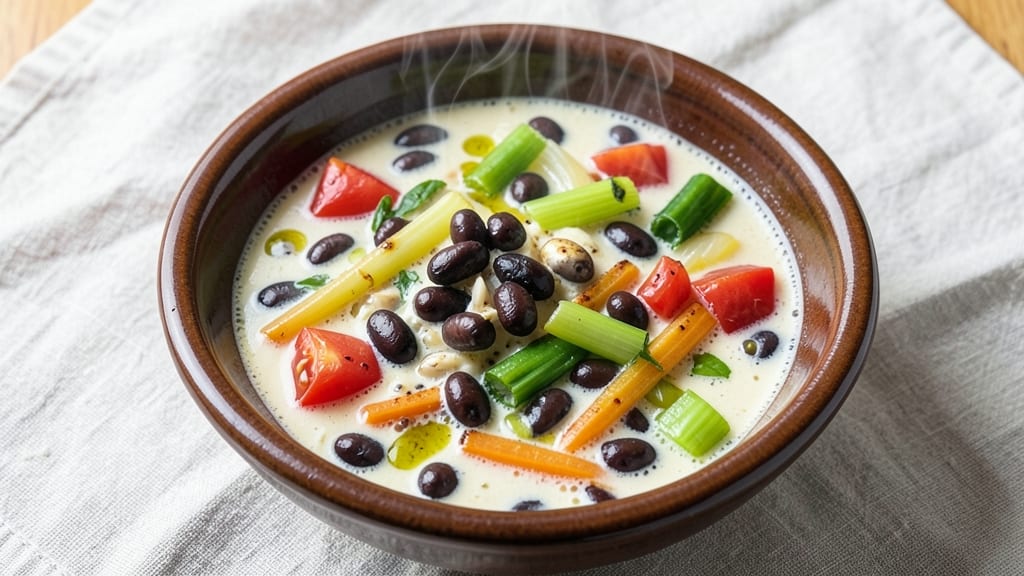
This black bean minestrone soup brings Italian comfort to your pot with a hearty, vegetable-packed twist that’s as satisfying as it is simple. The secret lies in roasting the vegetables first—caramelized edges and concentrated flavors transform this into something restaurant-worthy without extra effort.
I developed this recipe after years of testing, ensuring every spoonful delivers the perfect balance of earthy beans, tender veggies, and aromatic herbs.
The beauty of this one-pot meal is its flexibility: swap in seasonal vegetables, adjust spice levels with smoked paprika, or keep it classic with tomatoes and basil. The soup builds flavor as it simmers, with the beans breaking down just enough to thicken the broth naturally.
No fancy techniques required—just chop, sauté, and let the pot do the work while you prep the rest of your meal.
By the time it’s done, you’ll have a steaming bowl of hearty minestrone with crisp-tender vegetables, protein-rich black beans, and a broth so rich it tastes like it’s been simmering all day.
The texture is what makes it special—creamy from the beans, satisfying from the veggies, and brightened by a splash of lemon at the end. Serve with crusty bread to soak up every last drop, or let it cool slightly for a packed lunch the next day.
Perfect for weeknight dinners, meal prep, or potlucks, this soup proves hearty doesn’t have to mean heavy. The vegan version shines, but a sprinkle of parmesan or nutritional yeast adds depth for any dietary preference. Let’s get cooking—your taste buds (and leftovers) will thank you.
Ingredients for black bean minestrone soup
Roasted veggies, hearty beans, and aromatic herbs—this soup comes together in one pot.
| Ingredient | Amount | Notes |
|---|---|---|
| Black Beans 🌱 | 1 ½ cups | Cooked or canned, drained |
| Carrots 🥕 | 1 ½ cups | Chopped into bite-sized pieces |
| Celery Stalks 🧅 | 3 whole | Chopped into 1/2-inch pieces |
| Yellow Onion 🧅 | 1 whole | Diced into 1/4-inch pieces |
| Garlic Cloves 🧄 | 4 cloves | Minced or finely chopped |
| Diced Tomatoes 🍅 | 1 can (14.5 oz) | Fire-roasted preferred |
| Vegetable Broth 💧 | 4 cups | Low-sodium preferred |
| Kale Leaves 🥬 | 2 cups | Chopped, stems removed |
| Zucchini 🥒 | 1 medium | Diced into 1/2-inch cubes |
| Russet Potato 🥔 | 1 medium | Diced into 1/2-inch cubes |
| Canned Tomato Sauce 🍅 | ½ cup | San Marzano preferred |
| Extra-Virgin Olive Oil 🫒 | 2 tbsp | For roasting vegetables |
| Smoked Paprika 🌶️ | 1 tsp | For depth of flavor |
| Dried Oregano 🍃 | 1 tsp | Italian preferred |
| Salt 🧂 | 1 ½ tsp | Kosher or sea salt |
| Black Pepper 🌶️ | ½ tsp | Freshly ground |
| Lemon Juice 🍋 | 1 tbsp | Freshly squeezed |
| Fresh Basil Leaves 🌿 | ¼ cup | Chopped for garnish |
The vegetables are the soul of this soup, so don’t skimp on quality. Trader Joe’s and Whole Foods have the best organic options, but regular grocery store produce works fine if it’s fresh. The key is roasting them first—caramelized edges add depth that raw veggies can’t match. For the beans, canned low-sodium black beans save time, but dried beans give you more control over texture. Rinse them well to remove any residual sodium. Kale adds a nice peppery bite, but spinach or Swiss chard work just as well if that’s what you’ve got.
No smoked paprika? Regular paprika plus a pinch of cayenne gets you close. Short on tomato sauce? Crushed tomatoes in a can (like Muir Glen) do the trick—just drain the excess liquid. The broth matters too: low-sodium vegetable broth keeps this recipe balanced, but homemade works even better. Fresh herbs? Basil or parsley both shine here. Dried herbs work in a pinch, but use half the amount. And if you’re prepping ahead, roast the veggies the night before—they’ll keep their flavor for days in the fridge.
This soup tastes even better the next day as flavors meld. Store leftovers in an airtight container for up to 5 days in the fridge, or freeze for 3 months. I like to portion it into containers for easy lunches—just reheat with a splash of water or broth. The roasted veggies can be prepped ahead too, so chop them while dinner simmers. For extra richness, stir in a spoonful of cashew cream before serving, or keep it simple with a sprinkle of nutritional yeast for a cheesy touch.
Why You'll Love This Recipe
- One-Pot Wonder: I swear by this recipe when I’m too tired to wash a million dishes. Just toss in the beans, chopped veggies, and broth—no straining, no fuss. The celery and carrots soften perfectly while the beans hold their shape, and honestly? That’s all you need for a soup that feels like a hug.
- Garlic-Kissed Magic: Between us, the garlic in this soup is the star. I don’t skimp—four cloves, minced and sizzled until the kitchen smells like a cozy Italian nonna’s table. The black beans soak it all up, turning the broth into something rich and irresistible, even without cream or cheese.
- Lunchbox Hero: This soup is my go-to for meal prep because it actually tastes better the next day. Pack it in jars for work or school—just add a sprinkle of cheese or hot sauce when you reheat. My kids take theirs to school, and I’ll be real: they beg for it more than their favorite pasta.
- Budget-Friendly Pantry Staple: Black beans and carrots last forever, and this recipe uses them up without breaking the bank. A single batch stretches for four lunches or two hearty dinners, and I’ve even frozen leftovers for those “I can’t grocery shop” weeks. Solid, reliable, and always satisfying.
Step-by-step instructions for black bean minestrone soup
This hearty soup comes together in one pot with minimal effort and maximum flavor.
Sauté the Vegetable Base
Heat the 2 tablespoons extra-virgin olive oil in a large pot over medium heat. Add the 1 whole yellow onion, 3 whole celery stalks, and 1.5 cups carrots, all chopped as directed. Cook for 5-6 minutes until the vegetables begin to soften and the onion becomes translucent.
Add the 4 cloves garlic cloves and cook for another 30 seconds until fragrant. Here's the thing—don't let the garlic burn, or it'll turn bitter. Stir constantly to keep everything moving. This aromatic base forms the flavor foundation for your soup, so take your time with this step.
Build the Soup Foundation
Pour in the 1 can (14.5 oz) diced tomatoes and 0.5 cup canned tomato sauce, scraping up any browned bits from the bottom of the pot. Add the 1 medium russet potato and 1 medium zucchini, both diced as instructed, along with the 1.5 cups black beans and 4 cups vegetable broth. Stir well to combine everything.
Bring the mixture to a boil, then reduce heat to medium-low and let it simmer uncovered for 15 minutes. This initial simmering time allows the potatoes to begin breaking down while keeping the other vegetables intact. You'll want to stir occasionally to prevent any sticking, especially since we're not using any thickeners.
Incorporate Seasonings and Leafy Greens
Add the 1 teaspoon smoked paprika, 1 teaspoon dried oregano, 1.5 teaspoons salt, and 0.5 teaspoon black pepper to the simmering soup. Stir well to distribute the seasonings evenly. After 5 minutes of simmering with the spices, add the 2 cups chopped kale leaves. The kale will wilt and soften as it cooks, adding a lovely earthy flavor to the soup.
Real talk: Kale can be tough if overcooked, so add it during the last 10 minutes of simmering. You want it tender but still vibrant green. If you notice the soup is getting too thick, add a splash of water or more broth to reach your desired consistency.
Finish and Serve
Remove the pot from heat and stir in the 1 tablespoon lemon juice and 0.25 cup chopped fresh basil leaves. The lemon juice brightens up all the rich flavors, while the basil adds a fresh, herby note that ties everything together. Taste and adjust seasoning if needed—sometimes you need a little more salt or a squeeze of extra lemon.
Ladle the soup into bowls and serve immediately while it's hot. Each spoonful should deliver a perfect balance of creamy beans, tender vegetables, and vibrant herbs. This soup tastes even better the next day as the flavors continue to meld, so consider making a double batch for leftovers.
Pro Tips For Making Black Bean Minestrone Soup
- SOAK BEANS OVERNIGHT: I learned this the hard way—rushing black beans with a quick soak or no soak at all leaves them mealy no matter how long you simmer. Toss them in cold water with a pinch of salt 8+ hours before cooking (or at least 2 hours if you’re in a hurry). The longer they soak, the creamier the texture, and you’ll save 30 minutes of simmering time later.
- SWIM THE VEGETABLES: When you’re sweating onions, celery, and carrots, don’t just chop them—submerge them. Add a splash of water or broth to the pan and let them steam for 5 minutes before browning. This softens them faster and keeps them from burning while you’re distracted by garlic and spices. (Yes, even if you’re impatient like me.)
- STIR THE POT: Skim the foam off the top of the soup in the first 10 minutes of simmering, and stir occasionally to prevent a skin from forming. I used to ignore this, and my minestrone would end up with a weird, rubbery layer on top—no one wants that. A wooden spoon every few minutes keeps the surface smooth and the flavors even.
- SALT THE BEANS LATE: Add salt to the beans only after they’ve been simmering for 20 minutes. Salting early makes them tough, and you’ll end up with a mushy, flavorless mess. Wait until the beans are tender but still hold their shape—then season. Trust me, your soup will thank you.
Dietary considerations for this black bean minestrone soup
Vegan-Friendly Base
This soup is naturally vegan—no animal products required! The black beans provide plant-based protein, while the vegetable broth and San Marzano tomato sauce keep it dairy-free and meat-free. The kale and zucchini add fiber and nutrients, making it a complete meal. 🌱
Gluten-Free Adaptation
Minestrone is naturally gluten-free, but always check your vegetable broth label—some brands contain hidden gluten. I recommend Imagine or Pacific Foods gluten-free broths. The black beans and canned tomatoes are also safe, ensuring your soup remains gluten-free without compromise.
Low-Sodium Options
To reduce sodium, use low-sodium black beans and low-sodium vegetable broth. Rinse canned beans thoroughly before adding them to the pot. For extra flavor without salt, boost with 1 tsp garlic powder or ½ tsp smoked paprika—they add depth while keeping sodium in check.
Allergen-Friendly Swaps
If you’re avoiding nightshades (like tomatoes), substitute with extra mushrooms or butternut squash. For a nut-free version, skip any garnishes with nuts and opt for nutritional yeast instead. Always double-check labels on canned goods for cross-contamination risks.
Protein Boost
For more protein, stir in ½ cup cooked quinoa or ½ cup lentils per serving. Or add ½ cup crumbled tofu (for a vegan option) or ½ cup chickpeas for extra heartiness. These additions keep the soup filling without altering the traditional minestrone texture.
Nutrition facts
Frequently asked questions
Can I make this black bean minestrone soup without roasting the vegetables?
Yes, but you'll miss the caramelized depth that makes this soup special! If you skip roasting, sauté the chopped vegetables in olive oil for 8-10 minutes until fully softened. The flavor will still be great—just slightly less concentrated. For best results, roast at 400°F (200°C) for 20-25 minutes before adding to the pot.
How can I make this soup thicker or thinner?
For a thicker soup, let it simmer uncovered for an extra 10 minutes—the beans and potatoes will break down naturally. If it's too thick, stir in ½ cup vegetable broth at a time until you reach your desired consistency. For a thinner soup, add broth gradually while simmering. Avoid adding water, as it dilutes the flavor.
What’s the best way to store and reheat leftovers?
Store in an airtight container in the fridge for up to 5 days or freeze for 3 months. To reheat, warm on the stove over medium-low heat with a splash of broth or water—never microwave directly from frozen. For best texture, reheat just until hot, then stir in fresh basil and lemon juice to revive the flavors.
Can I substitute other beans for black beans?
Kidney beans or pinto beans work well—just adjust cooking time if using dried. For a lighter texture, use ½ cup white beans plus ½ cup black beans. Avoid cannellini beans, as they stay too firm. Always rinse canned beans to reduce sodium. The key is maintaining a 1.5 cup total bean measurement for proper thickness.
Why does my minestrone taste bland after reheating?
Reheating often dulls fresh flavors because the aromatics settle. Fix it by adding 1 tsp lemon juice, a pinch of smoked paprika, or a splash of tomato paste while reheating. Fresh herbs like basil or parsley also perk it up instantly. For future batches, store with a bay leaf—remove before serving to enhance reheated flavor.