
Soups & Stews
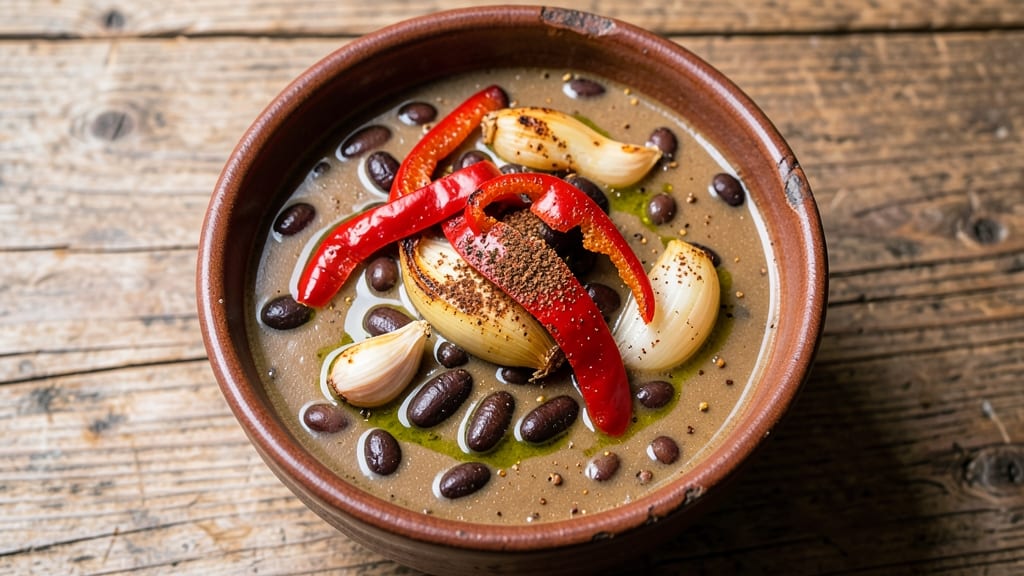
Black bean soup with dried black beans transforms simple ingredients into a rich, hearty meal that simmers with deep, earthy flavor. The overnight soaking process unlocks the beans' natural sweetness while keeping them tender, creating a soup that's both comforting and packed with plant-based protein. This method ensures your soup develops layers of flavor without relying on shortcuts, making it a satisfying dish for any season.
The key to perfect black bean soup lies in patience and technique. Dried beans absorb liquid gradually, releasing their starches and creating a naturally thickened broth. Aromatics like onions, garlic, and cumin toast gently in olive oil to build a flavorful base, while bay leaves and smoked paprika add depth.
The result is a soup that's hearty enough for a main dish but simple enough to prepare in one pot.
What sets this recipe apart is the balance of textures—creamy from the beans, slightly crisp from toasted spices, and fresh from optional garnishes like cilantro or avocado. The slow simmering process allows flavors to meld, creating a bowl of soup that's both nourishing and deeply satisfying.
Whether you're cooking for a crowd or meal prepping for the week, this recipe delivers restaurant-quality results at home.
For added richness, stir in a splash of coconut milk or a dollop of sour cream at the end, or keep it classic with a sprinkle of lime zest. The beauty of this soup is its versatility—adjust the spices to your taste or swap in other dried beans for variety.
Let's get started on creating a bowl of warmth and flavor that's sure to become a staple in your kitchen.
Ingredients for black bean soup recipe with dried black beans
Dried black beans and simple pantry staples create a deeply flavorful soup that rewards patience with rich, earthy taste.
| Ingredient | Amount | Notes |
|---|---|---|
| Dried Black Beans 🌱 | 1 ½ cups | Unsoaked, rinsed well |
| Yellow Onion 🧅 | 1 whole | Medium size, diced |
| Garlic Cloves 🧄 | 4 cloves | Fresh, minced |
| Extra-Virgin Olive Oil 🫒 | ¼ cup | For sautéing aromatics |
| Ground Cumin 🌿 | 1 tbsp | Toasted for depth |
| Smoked Paprika 🌶️ | 1 tbsp | For smoky flavor |
| Bay Leaves 🌿 | 2 whole | Dried, standard size |
| Vegetable Broth 💧 | 6 cups | Low-sodium preferred |
| Canned Diced Tomatoes 🍅 | 14 ½ oz | Fire-roasted preferred |
| Fresh Cilantro 🌿 | ¼ cup | Chopped, for garnish |
| Lime 🍋 | 1 whole | Juiced, for brightness |
| Salt 🧂 | 1 ½ tsp | Kosher or sea salt |
| Black Pepper 🌶️ | ½ tsp | Freshly ground |
| Avocado Oil 🫒 | 2 tbsp | For finishing (optional) |
The dried black beans are the foundation—look for high-quality, organic beans at stores like Whole Foods or bulk sections at Trader Joe's. Rinse them well before soaking to remove any debris. The overnight soak (8-12 hours) is non-negotiable—it unlocks their natural sweetness and ensures tender texture. For extra convenience, Costco's bulk dried beans are a great option, but check the package date as older beans take longer to soften. Freshness matters here: if your beans smell musty or have bugs, skip them.
No fire-roasted canned tomatoes? Regular diced tomatoes with a pinch of smoked paprika works just fine. The cumin and smoked paprika are flavor powerhouses—toast the cumin seeds whole in a dry pan for 30 seconds before grinding for deeper flavor. Short on cilantro? Fresh parsley or basil adds brightness, though cilantro's citrusy note is ideal. The lime should be freshly juiced—Mexican limes from the Latin market have the best balance of tart and sweet. For a smoky depth without paprika, liquid smoke at 1/4 tsp is a game-changer (but use sparingly).
This soup tastes even better the next day as flavors meld. Store in an airtight container in the fridge for 4-5 days or freeze for 3 months. I like to portion it into 2-cup containers for easy lunches—just reheat with a splash of water or broth. The beans thicken as they cool, so add a little extra liquid if it seems too thick when reheating. For meal prep, freeze the soup without the garnishes and add fresh cilantro and lime juice when serving.
Why You'll Love This Recipe
- I’ll be real: dried beans used to intimidate me. But this soup? Just toss them in cold overnight—no fancy soaking, no stress. By morning, they’re tender, and the flavor? Chef’s kiss. The cumin and olive oil work their magic while you sleep.
- No-Soaking Hassle: I’ll be real: dried beans used to intimidate me. But this soup? Just toss them in cold overnight—no fancy soaking, no stress. By morning, they’re tender, and the flavor? Chef’s kiss. The cumin and olive oil work their magic while you sleep.
- Earthy, Smoky Depth: That toasted cumin and garlic? It’s not just flavor—it’s character. The beans soak up the aroma like a sponge, and the onions caramelize into something sweet and rich. Honestly, it’s the kind of taste that makes you slow down and savor every spoonful.
- Weeknight to Potluck: Make a big batch on Sunday, and you’ve got lunch for days. Or bring it to a picnic—it’s hearty enough for a main but light enough to pack. My college roommate still texts me for the recipe when she’s hosting game night.
Step-by-step instructions for black bean soup with dried black beans
Mastering this soup begins with proper preparation. Here's how to transform dried beans into a rich, flavorful dish.
Prepare the Beans for Maximum Flavor
Place the 1.5 cups dried black beans in a large bowl and cover them with cold water by about 2 inches. Let them soak overnight at room temperature. This overnight soak is crucial—it softens the beans and removes any bitter compounds, creating a smoother texture and deeper flavor when cooked.
The next morning, drain and rinse the beans thoroughly under cold water. Transfer them to a large pot and cover with fresh cold water by 2 inches again. Bring to a boil over high heat, then immediately reduce to medium-high heat. Add 1 whole bay leaf and 1 tsp salt to the water. Boil vigorously for 2 minutes, then reduce heat to medium-low and simmer uncovered for 45-60 minutes until the beans are tender but not mushy.
Here's the thing—don't skip the vigorous boil. This step helps remove any remaining surface starch that can make the soup gummy. When the beans are fork-tender with just a slight resistance, they're ready for the next stage.
Build Deep Flavor with Aromatics and Spices
While the beans simmer, heat 0.25 cup extra-virgin olive oil in a large Dutch oven over medium heat. Add the 1 whole diced yellow onion and cook for 5-6 minutes until softened and translucent. Add the 4 minced garlic cloves and cook for 30 seconds until fragrant—don't let it brown or it'll turn bitter.
Stir in the 1 tbsp ground cumin and 1 tbsp smoked paprika, toasting them in the oil for 1 minute until you can smell their warm, earthy aromas. This step develops their flavors before they're incorporated into the soup. Add the 14.5 oz canned diced tomatoes (with their juices) and cook for 5 minutes until slightly thickened.
I always add the tomatoes at this stage—their acidity helps balance the earthy spices and adds a subtle sweetness that rounds out the flavor profile. The mixture should smell rich and complex, like a warm spice market.
Combine and Simmer to Perfection
Carefully drain the cooked beans, reserving 1 cup of the bean cooking liquid. Add the beans to the Dutch oven with the tomato mixture. Pour in the 6 cups vegetable broth and the reserved bean liquid. Stir in the remaining 0.5 tsp black pepper and bring to a gentle boil over medium-high heat. Then reduce heat to low and simmer uncovered for 30-40 minutes, stirring occasionally.
This simmering time allows all the flavors to meld together. The soup should reduce slightly, becoming thicker and more concentrated. Taste occasionally and adjust seasoning—you might need a little more salt or lime juice to balance the flavors perfectly.
Here's where patience pays off. The longer you simmer, the deeper the flavors develop. When the soup reaches your desired consistency (it should coat the back of a spoon but still be spoonable), it's ready for finishing.
Finish with Brightness and Garnish
Remove the 2 whole bay leaves from the soup. Stir in the juice of 1 whole lime and taste immediately. The acidity brightens all the flavors and cuts through the richness. If the soup is too thick, add 2-4 tablespoons of water or reserved bean liquid to reach your preferred consistency.
For an optional richness, heat 2 tbsp avocado oil in a small pan over low heat until shimmering. Pour this lightly toasted oil over each serving just before eating—it adds a luxurious mouthfeel without overpowering the dish.
Ladle the soup into bowls and garnish with 0.25 cup chopped fresh cilantro. The bright green color contrasts beautifully with the deep brown of the soup, and the cilantro adds a fresh, herbal note that balances the earthy flavors. Serve immediately while hot, with crusty bread to soak up every last drop.
Pro Tips For Making Black Bean Soup Recipe With Dried Black Beans
- SOAK BEANS OVERNIGHT: I learned this the hard way—skipping the soak turns your soup into a gummy mess. Cover dried black beans in water (3 cups per 1 cup beans) and let them sit 8–12 hours. No time? At least do a 2-hour hot soak with a pinch of baking soda to soften them faster.
- SWEAT ONIONS LOW AND SLOW: High heat burns onions before they caramelize, and you’ll end up with bitter bits. Use medium-low heat and stir every 3–4 minutes until they’re translucent and just starting to stick—this builds flavor without scorching. (Yes, even if you’re impatient like me.)
- TOAST THE CUMIN: Skip the raw cumin, and your soup will taste flat. Dry-toast the ground cumin in the olive oil for 30 seconds until it smells toasty and nutty. This simple step makes the earthy flavor pop instead of just sitting there like a background note.
- ACIDIFY THE FINISH: Black beans can taste bland if you don’t brighten them up. Stir in 1 tablespoon of vinegar (apple cider or red wine) or a splash of lemon juice at the end. It cuts through the richness and makes the whole dish taste fresher—like a wake-up call for your taste buds.
Storing and reheating your leftovers
Refrigerator Storage
Let your black bean soup cool completely before transferring it to airtight glass containers—I prefer wide-mouth Mason jars or Pyrex bowls for easy reheating. Store in the refrigerator for up to 5 days, though the flavors actually deepen overnight as the spices meld.
Always leave ½ inch headspace to prevent condensation buildup, which can dilute flavors. 🥫
Freezer Prep Tips
For long-term storage, portion soup into freezer-safe silicone molds or quart-sized bags, leaving 1 inch headspace for expansion. Seal tightly to prevent freezer burn—press out excess air before freezing. Label with dates (this soup lasts 3 months at 0°F). I like freezing it without garnishes to preserve freshness.
Stovetop Reheating
My preferred method: Transfer chilled soup to a heavy-bottomed pot and heat over medium-low with 2 tbsp water or broth to prevent sticking. Simmer uncovered for 10-12 minutes, stirring occasionally.
If too thick, add 1-2 tbsp reserved bean liquid. Taste and adjust salt—soup often needs a pinch after reheating. 🔥
Microwave Safety
For quick meals, microwave in glass or ceramic containers (never plastic) on 50% power for 3-4 minutes, stirring halfway. Add 1 tbsp water if needed to restore texture. Avoid overcooking—beans can turn mushy if microwaved too long. Always stir before eating to redistribute flavors.
Garnish Refresh
Revive reheated soup with fresh garnishes: chopped cilantro, lime zest, or avocado slices. I also add a drizzle of hot sauce or sour cream to cut through any reheating dryness.
For extra richness, toast 2 tbsp avocado oil until fragrant and drizzle on top just before serving. ✨
Portion Control
Use 2-cup portions for meal prep—this makes for perfect single servings with leftovers. Store in stackable containers to save fridge space. When reheating portions, add 1 tbsp broth per cup to maintain consistency. The beans thicken upon cooling, so adjust liquid as needed. 💡
Nutrition facts
Frequently asked questions
Why do I need to soak dried black beans overnight?
Overnight soaking (8-12 hours) is essential for two reasons: it softens the beans' tough outer skins and removes bitter compounds called lectins. This creates a smoother texture and deeper flavor. The beans will absorb water and plump up, cooking more evenly and reducing the risk of them turning mushy. Skipping this step can result in a gummy soup with uneven texture.
Can I use canned black beans instead of dried?
Yes, but the flavor and texture will differ significantly. Canned beans are pre-cooked and won't develop the same rich, earthy depth when simmered. For best results, use dried beans—but if you're short on time, drain and rinse 2 (15 oz) cans of black beans and add them during the final 10 minutes of simmering. You'll need to adjust the broth to 4 cups to maintain proper consistency.
How do I fix soup that's too thick or too thin?
For thick soup, stir in 2-4 tablespoons of water or reserved bean liquid while reheating. If too thin, simmer uncovered for 5-10 extra minutes to reduce. For a quick fix, mash 1-2 cooked beans with a fork to thicken naturally. The ideal consistency coats the back of a spoon but remains spoonable—adjust gradually to avoid overcorrecting.
What can I add to make this soup more filling?
For extra heartiness, stir in 1 cup cooked quinoa or brown rice during the final 10 minutes of simmering. Other great additions include 1 diced sweet potato (peeled, cubed) or 1 cup chopped kale (added with the tomatoes). For protein, consider 1 cup corn kernels or ½ cup diced bell peppers. These additions work best when incorporated early in the cooking process.
Can I make this soup in a pressure cooker or Instant Pot?
After soaking, add the beans to your Instant Pot with 6 cups broth, 1 tsp salt, and 1 bay leaf. Cook on high pressure for 15 minutes, then release pressure naturally. Proceed with the recipe as written from Step 2. The pressure cooker cuts total time to about 45 minutes instead of 3+ hours. For best results, don't skip the overnight soak—it's still crucial for flavor development.