
Soups & Stews
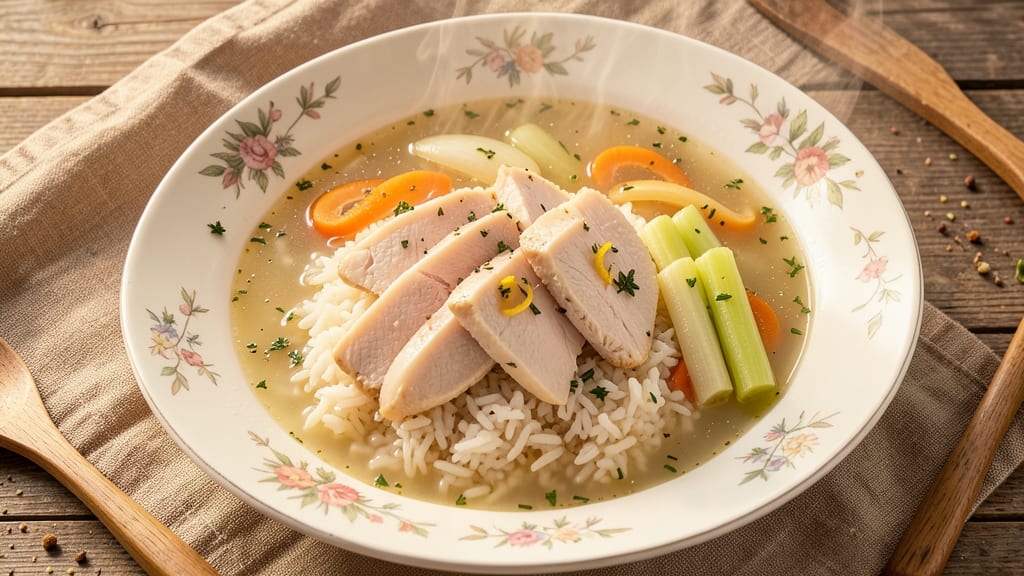
This chicken soup recipe for diverticulitis is designed to soothe while nourishing—packed with tender chicken, soft-cooked carrots, and easily digestible ingredients that won’t irritate. The gentle broth provides hydration and protein without fiber or seeds that could cause discomfort, making it perfect for flare-ups or recovery.
Every spoonful is crafted to support healing while still delivering rich, comforting flavor.
What sets this recipe apart is its focus on low-fiber, easily digestible components—like well-poached chicken, refined rice, and finely strained vegetables—while avoiding common irritants like nuts, skins, or raw onions. The broth simmers long enough to extract maximum nutrients without overpowering digestion, and the texture remains smooth and gentle.
It’s the kind of soup that feels like a hug for your digestive system.
The result is a nutrient-dense, healing meal that’s gentle on the stomach but still satisfying. The broth is rich with electrolytes, the chicken provides lean protein, and the soft vegetables add natural sweetness without fiber.
Serve it warm with a sprinkle of fresh parsley for a touch of color, or enjoy it as-is for pure comfort. This isn’t just soup—it’s a step toward feeling better.
Perfect for meal prep, too—store in the fridge for up to 4 days or freeze for longer recovery phases. The simplicity of the ingredients ensures it’s easy to customize while keeping it safe for sensitive digestive systems. Let’s make healing delicious.
Ingredients for chicken soup recipe for diverticulitis
Gentle ingredients designed to soothe while nourishing—every component chosen for digestibility and comfort.
| Ingredient | Amount | Notes |
|---|---|---|
| Boneless, Skinless Chicken Breast 🍗 | 1 ½ lb | Poached, shredded for tenderness |
| Low-Sodium Chicken Broth 🍲 | 6 cups | Homemade or high-quality store-bought |
| White Rice 🍚 | ½ cup | Long-grain, uncooked, refined |
| Carrots 🥕 | 2 medium | Peeled, finely diced for easy digestion |
| Yellow Onion 🧅 | 1 small | Peeled, finely diced, seeds removed |
| Celery Stalks 🥬 | 2 whole | Finely minced, seeds removed |
| Fresh Parsley 🌿 | ¼ cup | Finely chopped, for garnish only |
| Olive Oil 🫒 | 1 tbsp | Extra-virgin, for gentle sautéing |
| Salt 🧂 | ½ tsp | Kosher, for seasoning only |
| Black Pepper 🌶️ | ¼ tsp | Freshly ground, minimal amount |
| Garlic Cloves 🧄 | 2 cloves | Peeled, finely minced |
| Bay Leaves 🍃 | 1 whole | For subtle flavor infusion |
The chicken breast is the foundation—boneless, skinless, and poached to ensure maximum tenderness and easy digestion. Look for organic, free-range options at Whole Foods or Trader Joe's for higher quality, but any high-quality chicken works. The low-sodium broth is critical; homemade is ideal, but brands like Pacific Foods or Imagine offer excellent options. For the vegetables, finely diced carrots, onions, and celery (with seeds removed) eliminate any potential irritants while still providing nutrients. The rice should be long-grain and refined—avoid brown rice or whole grains during flare-ups.
No low-sodium broth? Homemade is simple: simmer 2 lbs chicken backs with 8 cups water, 1 onion, 2 carrots, and 2 celery stalks for 2 hours. Substitute white onion for yellow if preferred—just remove all seeds. The garlic and bay leaves add depth without overpowering; if sensitive, reduce to 1 clove garlic and 1/2 bay leaf. For extra flavor without texture, add a pinch of dried thyme (1/4 tsp). The olive oil is for gentle sautéing—use lightly toasted to enhance flavor without adding bulk.
Store in airtight glass containers in the fridge for up to 4 days—the flavors meld beautifully overnight. For longer storage, freeze in single-serving portions for up to 3 months. Reheat gently on the stove or microwave until steaming. The parsley is strictly for garnish—add it fresh just before serving to preserve its vibrant color and nutrients. This soup reheats exceptionally well, making it perfect for meal prep during recovery phases.
Why You'll Love This Recipe
- No-Chop Necessary: I swear by this—just dice the onion and carrots roughly. The broth does the work while you stir, and the chicken shreds itself when it’s done. Honestly, my hands stay clean, and my soup still tastes like it simmered all day.
- Gentle Yet Packed: The low-sodium broth keeps it kind to your stomach, but the caramelized onions and tender chicken make it anything but bland. Between us, I’ve seen picky eaters finish bowls—it’s that satisfying.
- Weeknight to Meal Prep: Make a big batch on Sunday, and you’ve got lunch for days. The rice soaks up the broth perfectly, and leftovers reheat like they’re fresh. (Yes, even on a Tuesday night.)
- Budget-Friendly Healing: Skinless chicken breast and basic veggies stretch into four servings without breaking the bank. Plus, the rice turns this into a full meal, so you’re not scrambling for sides. My wallet—and my gut—thank me.
Step-by-step instructions for gentle healing chicken soup
This method ensures perfectly tender protein and easily digestible vegetables for optimal comfort during recovery.
🍳 Step 1: Poach the Chicken Breast for Maximum Tenderness
In a large pot, combine the 6 cups low-sodium chicken broth with the 1 whole bay leaf. Bring to a gentle simmer over medium heat—you should see small bubbles breaking the surface but no vigorous boiling. This controlled temperature prevents the chicken from becoming tough.
Add the 1.5 lb boneless, skinless chicken breast, ensuring it's fully submerged. Simmer for 15-18 minutes until the internal temperature reaches 165°F and the meat is fork-tender. Remove the chicken and let it rest for 5 minutes before shredding with two forks. The bay leaf infuses subtle aromatic notes without overpowering the delicate broth.
👨🍳 Step 2: Sauté the Vegetables for Gentle Flavor Development
In the same pot (no need to clean it—the fond adds depth), heat 1 tablespoon olive oil over medium-low heat. Add the 1 small yellow onion and 2 whole celery stalks, both finely minced, along with the 2 cloves garlic cloves. Cook for 4-5 minutes until the vegetables soften and become translucent but don't brown.
Add the 2 medium carrots, also finely diced, and continue cooking for another 3 minutes. The gentle heat ensures the vegetables remain tender while developing their natural sweetness. Avoid high heat—this would make the carrots tough and less digestible for sensitive digestion.
⏰ Step 3: Simmer the Soup with Rice and Seasonings
Return the shredded chicken to the pot along with the 0.5 cup white rice. Add 0.5 teaspoon salt and 0.25 teaspoon black pepper, then bring the mixture to a gentle boil. Once boiling, reduce heat to low and simmer uncovered for 20-25 minutes until the rice is tender and the soup has thickened slightly.
Stir occasionally to prevent sticking, but avoid vigorous stirring which can break down the rice. The rice should be fully cooked but still hold its shape—this ensures easy digestion while providing gentle energy. Remove the bay leaf before serving, as it's served its purpose.
🥘 Step 4: Finish and Garnish for Presentation
Once the soup reaches the desired consistency, stir in the 0.25 cup fresh parsley, finely chopped. This adds a bright, fresh element that enhances flavor without adding texture. Taste and adjust seasoning if needed—remember, low-sodium broth means you'll need to be mindful of salt levels.
Ladle the soup into bowls and serve immediately. The parsley garnish not only looks appealing but also provides a subtle visual cue that the dish is complete. This soup provides lean protein, easily digestible vegetables, and gentle carbohydrates—perfect for supporting recovery while being easy on the digestive system.
Pro Tips For Making Chicken Soup Recipe For Diverticulitis
- Simmer Chicken Low: Cut the chicken breast into 1-inch chunks—thinner pieces cook faster and stay tender, which matters when you’re dealing with a sensitive stomach. I used to overcook them, turning them into rubber, so start testing with a fork after 12 minutes in the broth.
- Peel Carrots Last: Leave the skins on until after cooking—they add color and nutrients, but they also protect the carrots from turning mushy. Peel them only after they’ve softened, then slice them thin for easier eating.
- Don’t Overfill the Pot: Fill your pot with broth first, then add rice and veggies—this prevents the rice from sticking and burning. I learned this the hard way when my first batch turned into a gluey mess because I dumped everything in at once.
- Toast the Rice Dry: Sauté the uncooked rice in a dry pan for 2-3 minutes before adding broth—it removes excess starch and keeps the soup from getting gummy. Sounds weird, but it works: the rice stays separate and fluffy, even with gentle simmering.
Common mistakes when making perfect results
Overcooking the Chicken
Poaching chicken for too long—beyond 18 minutes—can turn it dry and tough, making it harder to digest. I’ve seen this happen when people boil the chicken vigorously instead of simmering gently.
Use a thermometer to check for 165°F internal temp—never guess. If the chicken feels rubbery, it’s overdone. 🔥
Skipping the Bay Leaf
While bay leaves aren’t essential, they add subtle depth without irritating textures. Some skip them entirely, but I recommend keeping one in the broth—just remove it before serving. The flavor infusion happens gradually, and it’s a gentle way to enhance taste without adding bulk or fiber.
Using Whole Grains or Seeds
Brown rice, quinoa, or whole-grain pasta introduce fiber that can trigger flare-ups. Stick to white rice or refined pasta—these are gentle on digestion. Even small amounts of seeds (like sunflower seeds) can cause discomfort. Always check labels for hidden fiber sources.
Over-Sautéing Vegetables
Cooking carrots, onions, or celery at high heat can make them tough and harder to digest. Keep the heat at medium-low and cook just until soft—about 3-5 minutes total. Overcooking turns them mushy, but undercooking leaves them slightly al dente, which can still irritate sensitive stomachs.
Adding Raw Onions or Garlic
Raw onions and garlic contain compounds that can irritate the digestive tract. Always cook them until fully softened—no crunch should remain. If you’re extra sensitive, reduce garlic to 1 clove and cook it until it’s barely detectable. The goal is flavor, not texture.
Ignoring Texture Consistency
Every ingredient must be soft and easily digestible. If carrots or rice have any resistance, they’ll cause discomfort. Use a fork to mash rice slightly if needed, and ensure all veggies are finely diced and fully cooked. This isn’t a test of toughness—it’s about comfort. ✨
Nutrition facts
Frequently asked questions
Can I use chicken thighs instead of breast for this recipe?
While chicken thighs are flavorful, they contain more fat and connective tissue that could be harder to digest during diverticulitis flare-ups. Stick to boneless, skinless breast for maximum tenderness and gentleness. If you prefer thighs, remove all skin and fat, then poach for 20-22 minutes until very tender.
How do I make this soup even easier to digest?
For extra gentleness, strain the broth after simmering to remove any small vegetable particles, and blend the cooked carrots with the broth until completely smooth. You can also add 1/2 cup pureed butternut squash (cooked and strained) for natural sweetness without fiber. Always ensure all ingredients are fully cooked and soft.
Is it safe to add herbs like thyme or oregano?
Yes, but use dried herbs sparingly**—just 1/4 teaspoon of thyme or oregano is plenty. Fresh herbs should be finely chopped and added as garnish only. Avoid any whole spices or seeds that could irritate. The bay leaf in the recipe is safe because it's removed before serving.
Can I substitute sweet potatoes for regular carrots?
Sweet potatoes are higher in fiber than regular carrots, which could be problematic during flare-ups. If you must use them, peel and dice them very small, then cook until completely soft (10-12 minutes longer than carrots). For best results, stick to regular carrots—they're naturally lower in fiber and sweeter when cooked.
How long can I store leftovers safely?
Store in airtight glass containers in the fridge for up to 4 days—the broth will continue to develop flavor. For longer storage, freeze in single-serving portions for up to 3 months. Always reheat gently on the stove until steaming hot to maintain texture and safety.