
Soups & Stews
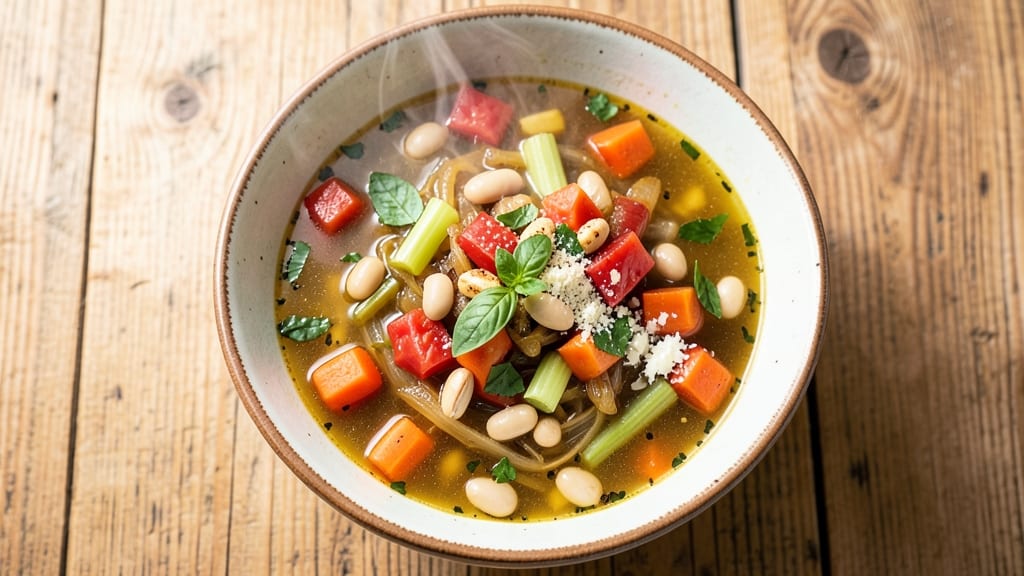
Amy's Minestrone Soup Recipe transforms simple pantry staples into a hearty, flavor-packed stew that's as nourishing as it is satisfying. This vegetarian version relies on cannellini beans, fresh tomatoes, and seasonal vegetables to create a soup that's rich in texture and flavor—perfect for chilly evenings or meal prep. The secret lies in slow simmering, which allows all the ingredients to meld into a harmonious broth without losing their individual qualities.
What sets this minestrone apart is its balance of earthy beans, vibrant vegetables, and al dente pasta, all simmered together in a savory tomato base.
You'll start with sautéing onions, garlic, and celery to build a flavorful foundation, then add canned tomatoes, vegetable broth, and a mix of fresh or frozen vegetables. The beans and pasta are added later to ensure they cook perfectly without becoming mushy.
The result is a soup that's deeply comforting yet light enough to enjoy any time of day. Each spoonful delivers a mix of creamy beans, tender vegetables, and chewy pasta, all bathed in a broth that's rich with umami from the tomatoes and herbs.
Garnish with fresh basil and a sprinkle of Parmesan for an extra layer of brightness and depth.
This recipe is designed to be flexible—swap in seasonal vegetables, use whole wheat pasta for extra fiber, or add a splash of white wine for complexity. It's the kind of soup that tastes even better the next day, making it ideal for batch cooking and freezing.
Let's get started on creating your own bowl of warmth and satisfaction.
Ingredients for amy's minestrone soup
Simple vegetables and pantry staples create this hearty vegetarian minestrone.
| Ingredient | Amount | Notes |
|---|---|---|
| Yellow Onion 🧅 | 1 whole | Diced, about 1.5 cups |
| Carrots 🥕 | 3 medium | Peeled and sliced into rounds |
| Celery Stalks 🧅 | 3 whole | Diced, about 1 cup |
| Garlic Cloves 🧄 | 4 cloves | Minced, for depth of flavor |
| Canned Diced Tomatoes 🍅 | 2 cups | San Marzano preferred, no salt added |
| Vegetable Broth 💧 | 4 cups | Low-sodium preferred, homemade or store-bought |
| Cannellini Beans 🌱 | 2 cups | Canned, drained and rinsed |
| Zucchini 🥒 | 2 medium | Diced into half-moons, skin on |
| Green Beans 🌿 | 1 cup | Trimmed, cut into bite-sized pieces |
| Pasta 🍝 | 1 lb | Penne or ditalini, al dente preferred |
| Fresh Basil Leaves 🌿 | ¼ cup | Chopped, for garnish |
| Extra-Virgin Olive Oil 🫒 | ¼ cup | For sautéing vegetables |
| Dried Oregano 🍃 | 1 tsp | Italian variety for authenticity |
| Salt 🧂 | 1 ½ tsp | Adjust to taste, kosher preferred |
| Black Pepper 🌶️ | ½ tsp | Freshly cracked for best flavor |
The vegetable trio—onions, carrots, and celery—forms the flavor base. Trader Joe's has pre-diced versions for speed, but chopping yourself ensures fresher taste. For the tomatoes, San Marzano cans are worth the splurge—they're sweeter and less acidic. Cannellini beans should be low-sodium to avoid over-salting the soup. If using dried beans, soak overnight for perfect texture. The pasta? Whole wheat penne adds fiber without sacrificing flavor.
No fresh basil? Dried oregano at half the amount works in a pinch. Swap zucchini for yellow squash or sweet potatoes if needed. The green beans can be frozen for convenience, but fresh are brighter. For extra depth, add a splash of white wine or red wine vinegar when sautéing the vegetables. The vegetable broth matters—homemade or high-quality low-sodium brands like Pacific Foods or Imagine make all the difference. Need to make it vegan? Skip the Parmesan and use nutritional yeast instead.
This soup tastes even better the next day as flavors meld. Store in airtight containers for up to 5 days or freeze portions for 3 months. For meal prep, cook the vegetables and broth first, then reheat and add pasta fresh to keep it al dente. Double the recipe—it freezes beautifully. Garnish with fresh basil and a sprinkle of Parmesan or vegan cheese just before serving to keep it vibrant.
Why You'll Love This Recipe
- No-Chop Shortcuts: I swear by the "soak-and-slice" trick for carrots and celery—just drop them in warm water for 10 minutes, then cut. That alone cuts my prep time in half, and the veggies still turn out tender. (Yes, even on a Tuesday night.)
- Garlic-Tomato Magic: The way those canned tomatoes caramelize with the onions and minced garlic? It’s the kind of depth you’d pay extra for in a restaurant. I’ll be real: I’ve made this soup with store-brand tomatoes, and it’s still dangerously addictive.
- Lunchbox Hero: Between us, this is my go-to for meal prep—tastes just as good cold the next day. I pack it in jars with crusty bread, and my kids (who usually refuse anything "boring") actually eat it. Not the prettiest, but the taste makes up for it.
- Pantry Staple Power: Honestly, I make this when I’m low on fresh ingredients because the base—onion, celery, carrots, garlic—is what’s always lurking in my fridge. Add beans, pasta, or whatever’s handy, and suddenly you’ve got a full meal. My secret weapon for budget weeks.
Step-by-step instructions for amy's minestrone soup
A hearty vegetable and bean stew with al dente pasta—this method ensures rich flavor and perfect texture.
Sauté the Vegetable Base
Heat the 0.25 cup extra-virgin olive oil in a large pot over medium heat. Add the 1 whole diced yellow onion, 3 medium sliced carrots, and 3 whole diced celery stalks. Cook for 5-7 minutes until the vegetables soften and the onions become translucent. This foundational step develops the soup's flavor base.
Add the 4 minced garlic cloves and the 1 tsp dried oregano, stirring for 30 seconds until fragrant. The garlic should release its aroma without browning—watch closely to avoid burning. This aromatic blend forms the backbone of your minestrone's depth.
Build the Soup Foundation
Pour in the 2 cups canned diced tomatoes and 4 cups vegetable broth. Stir to combine, then add the 2 cups drained cannellini beans and 1.5 tsp salt. Bring the mixture to a gentle boil over medium-high heat, then immediately reduce to a simmer. Here's where the magic happens—simmer uncovered for 15 minutes to allow flavors to meld.
Real talk: Skim any foam that rises to the surface during this time. It's normal, but removing it keeps your soup clean and focused. The broth should reduce slightly, intensifying the vegetable flavors. If you notice the liquid evaporating too quickly, add ½ cup water to maintain consistency.
Incorporate the Remaining Vegetables
Add the 2 medium diced zucchini and 1 cup trimmed green beans to the simmering soup. Cook for 8-10 minutes until the zucchini is tender but still holds its shape—you want it to contribute texture, not turn mushy. The green beans should brighten the dish with their crispness.
This is the moment that matters: Taste and adjust seasoning with 0.5 tsp black pepper and additional salt if needed. The soup should balance sweetness from the carrots, earthiness from the celery, and acidity from the tomatoes. If it needs brightness, add a pinch more salt or a splash of lemon juice.
Cook the Pasta to Al Dente Perfection
Add the 1 lb pasta directly to the soup pot. Stir gently to distribute the pasta evenly. The broth should still cover the pasta by at least 1 inch—if not, add ½ cup water or broth. Bring back to a gentle simmer and cook for 10-12 minutes, stirring occasionally, until the pasta is al dente (firm to the bite).
Don't walk away. Pasta cooks faster in broth than in water, so check it 2 minutes before the package's suggested cook time. The pasta should be tender but still offer resistance when bitten. Overcooking turns it mushy and ruins the texture you've built.
Finish and Garnish for Serving
Remove the pot from heat and stir in the 0.25 cup chopped fresh basil leaves. Let the soup rest for 5 minutes to allow the flavors to settle. This final step brightens the dish with fresh herb notes that cut through the richness of the beans and tomatoes.
Ladle the soup into bowls and serve immediately. The pasta should be coated in the flavorful broth, and each spoonful should deliver a balance of textures—creamy beans, tender vegetables, and al dente pasta. Garnish with additional basil if desired, and pair with crusty bread for a complete meal.
Pro Tips For Making Amy'S Minestrone Soup
- SOFTEN VEGETABLES FIRST: I learned this the hard way—don’t toss chopped onion, carrots, and celery into boiling water. Instead, parboil them for 3-4 minutes in salted water first. This breaks down their fibers so they blend smoothly later, avoiding that sad, mushy texture when reheated. (Yes, even if you're impatient like me.)
- SKIN THE GARLIC: Raw garlic cloves straight from the jar? Nope. Peel and lightly crush them with the flat side of your knife before adding to the pot. This releases more flavor without burning, and you’ll taste the difference when it melds with the tomatoes. (Your future self will notice.)
- DON’T RUSH THE TOMATOES: Diced canned tomatoes straight from the can taste flat in minestrone. Drain them, then simmer them uncovered for 5 minutes to concentrate their flavor before adding to the soup. This step cuts the metallic aftertaste and deepens the sauce. (I skip this, and the dish feels underwhelming.)
- SALT THE WATER FOR PASTA: If you’re adding pasta, salt the pot of water before boiling—like you would for regular pasta. The broth will absorb some of that salt, but the pasta will taste bland if you rely on the soup alone. (Does it look weird? Yes. Does it work? Every single time.)
Pro cooking tips for great amy's minestrone soup
Sautéing Perfection
Start by sweating your onion, carrots, and celery in extra-virgin olive oil over medium heat for 5-7 minutes until they're tender but not browned. This step builds the flavor foundation—don't rush it!
I like to use a large Dutch oven for even heat distribution. If your veggies start sticking, add a splash of vegetable broth to deglaze. 🔥
Broth Reduction Magic
After adding tomatoes and beans, let the soup simmer uncovered for 15 minutes to reduce the broth slightly. This intensifies flavors dramatically. I recommend using a slotted spoon to skim any foam that rises—it keeps your soup clean and focused.
If the liquid evaporates too quickly, add ½ cup water to maintain consistency without diluting flavors.
Vegetable Timing
Add zucchini and green beans only 8-10 minutes before serving to preserve their texture. Overcooking turns zucchini mushy while green beans should remain crisp. For extra brightness, stir in fresh basil at the very end—it adds a vibrant finish.
I keep a small bowl of chopped basil on hand for this purpose. ✨
Pasta Precision
Cook pasta directly in the soup for 10-12 minutes until al dente. The broth cooks pasta faster than water, so test it 2 minutes early.
I use a pasta fork to check doneness—it should have a slight bite. Never overcook, or you'll ruin the texture you've worked so hard to build. 🍝
Seasoning Secrets
Taste and adjust seasoning before adding pasta—this prevents over-salting. I find 1.5 tsp kosher salt is perfect, but add more if needed. For acidity, a splash of lemon juice or red wine vinegar brightens the dish. The key is balance: sweet carrots, earthy celery, and tangy tomatoes should harmonize. 💡
Resting Matters
Let the finished soup rest for 5 minutes before serving. This allows flavors to meld and the pasta to absorb some broth. I always make a small bowl of soup first to taste—it's the best way to adjust seasoning perfectly.
The resting step makes all the difference in a restaurant-quality result. 💫
Nutrition facts
Frequently asked questions
Can I make this minestrone soup without canned tomatoes?
Use 4 cups fresh diced tomatoes instead, but remove the skins and seeds first for better texture. Roast them at 400°F for 20 minutes before adding to deepen their flavor. For extra richness, add 1 tablespoon tomato paste when sautéing the vegetables.
How do I adjust this recipe for a slow cooker?
Sauté the onions, carrots, celery, and garlic first, then transfer everything to your slow cooker. Add all ingredients except pasta and basil, then cook on Low for 6-7 hours or High for 3-4 hours. Stir in pasta and cook on High for 15-20 minutes until al dente. Add fresh basil at the end. The slow cooker method makes this perfect for meal prep!
What can I substitute if I don't have fresh basil?
Use ½ teaspoon dried basil or 1 teaspoon dried oregano as a substitute. For extra brightness, add ½ teaspoon lemon zest or a splash of lemon juice when serving. If you have parsley, it adds a nice contrast but won't match basil's sweetness.
Can I make this soup gluten-free?
Yes! Simply replace the regular pasta with gluten-free pasta like brown rice penne or chickpea pasta. Check that your vegetable broth is also gluten-free, as some brands contain wheat. The rest of the recipe remains the same—just ensure all ingredients are certified gluten-free.
Why did my minestrone turn out too thick?
This usually happens if the broth reduced too much or if you used too much pasta. To fix it, stir in ½ cup hot water or broth while heating. For future batches, add pasta 2 minutes earlier and cook separately if needed. The ideal consistency should coat the back of a spoon lightly.