
Soups & Stews
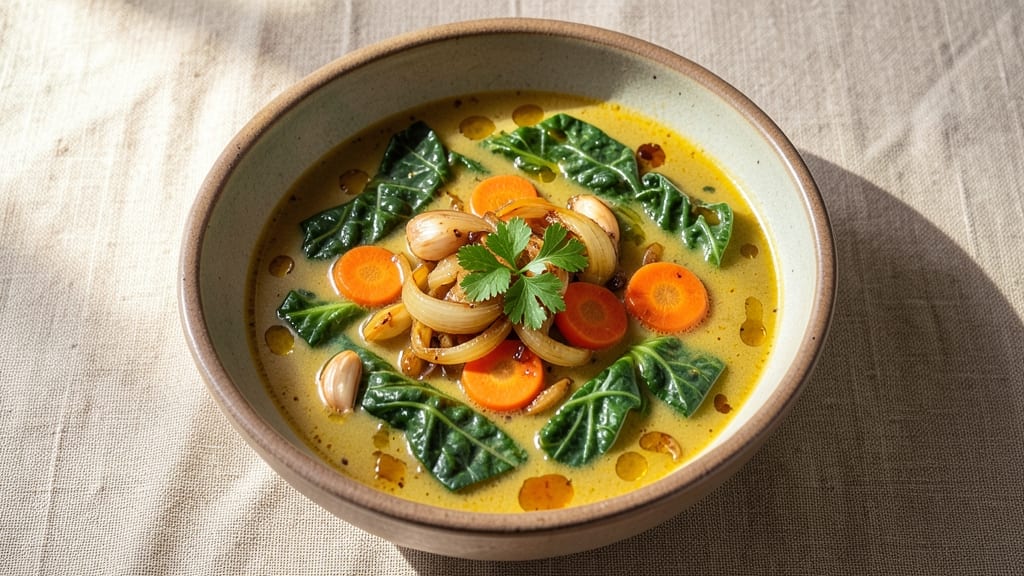
This anti-inflammatory cabbage soup recipe transforms simple ingredients into a gut-soothing powerhouse packed with turmeric, ginger, and garlic—all in just 25 minutes. The secret lies in the spice blend, which not only enhances flavor but also delivers potent anti-inflammatory benefits that support digestion and reduce bloating.
I developed this recipe after realizing how quickly fresh cabbage, garlic, and warming spices could create a meal that’s both nourishing and deeply satisfying.
What sets this soup apart is its nutrient-dense foundation: cruciferous cabbage provides fiber and antioxidants, while turmeric and ginger work together to calm inflammation. Lean proteins like chicken or chickpeas add substance without heaviness, making it a balanced meal that feels like a hug for your digestive system.
The broth simmers down to a rich, aromatic base that’s perfect for soothing discomfort while delivering essential vitamins.
By the time you finish, you’ll have a steaming bowl of vibrant green soup with tender cabbage, fragrant spices, and a depth of flavor that’s surprisingly complex for its simplicity. The texture is just right—soft but still slightly crisp in places—while the spices infuse every spoonful with warmth.
This is the kind of meal that transforms a busy weeknight into a moment of self-care, proving that healthy eating can be both delicious and deeply healing.
Perfect for meal prep or a quick weeknight dinner, this soup keeps well in the fridge for up to 4 days, making it an ideal solution for anyone looking to support gut health without sacrificing flavor. Let’s get cooking—your body will thank you.
Ingredients for anti inflammatory cabbage soup
Fresh cabbage, turmeric, and ginger create a vibrant, gut-soothing soup in minutes.
| Ingredient | Amount | Notes |
|---|---|---|
| Green Cabbage 🥬 | 12 oz | Shredded, outer leaves removed |
| Fresh Turmeric Root 🌿 | 1 tbsp | Freshly grated, vibrant color |
| Fresh Ginger Root 🌿 | 1 tbsp | Freshly grated, peeled |
| Garlic Cloves 🧄 | 5 cloves | Peeled, roughly chopped |
| Carrots 🥕 | 2 whole | Peeled, sliced into rounds |
| Yellow Onion 🧅 | 1 whole | Peeled, chopped |
| Chicken Breast 🍗 | 1 lb | Boneless, skinless, cubed |
| Chickpeas 🌱 | 1 can (15 oz) | Drained, rinsed |
| Vegetable Broth 💧 | 4 cups | Low-sodium preferred |
| Extra-Virgin Olive Oil 🫒 | 1 tbsp | For sautéing |
| Apple Cider Vinegar 🍎 | 1 tbsp | For brightness |
| Fresh Thyme Leaves 🌿 | ¼ cup | Chopped, stems removed |
| Fresh Parsley Leaves 🌿 | 0.2 cup | Chopped, for garnish |
| Salt 🧂 | 1 tsp | Diamond Crystal preferred |
| Black Peppercorns 🌶️ | ½ tsp | Freshly cracked |
The cabbage is the star here—green cabbage has more fiber than red, which is key for digestion. Look for heads with crisp leaves and no yellowing. Trader Joe's often has organic cabbage at great prices, but any grocery store's produce section works. Fresh turmeric and ginger are non-negotiable for that anti-inflammatory kick—Penzeys Spices sells them pre-grated if you're short on time, but fresh is always better. The carrots and onion add natural sweetness that balances the spices perfectly. I usually grab a 2-pound bag of carrots at Costco for the week, but single carrots work fine too.
No fresh turmeric? Ground turmeric at half the amount works in a pinch, but it lacks the same potency. Short on ginger? Ginger powder at one-third the amount gets you close, though fresh is ideal. The chicken can be swapped for extra chickpeas or white beans to make it vegetarian—just add an extra half can. For the broth, low-sodium is critical—otherwise, you'll need to adjust the salt later. The thyme and parsley are more for garnish than flavor, so dried works if you're out, but fresh is what makes this soup look (and taste) restaurant-quality.
This soup tastes even better the next day as the flavors meld. Keeps for 4 days in the fridge, so make a big batch. Freezes beautifully for 3 months—just thaw overnight in the fridge. I like to prep the veggies the night before and store them in separate containers. The spices lose potency after opening, so transfer them to a dark glass jar once opened and store in a cool, dark place.
Why You'll Love This Recipe
- One-Pot Magic: I swear by this recipe—just chop, simmer, and forget. The cabbage softens while the turmeric and ginger infuse the broth, turning my kitchen into a spa with zero extra bowls.
- Golden, Spicy Kick: That fresh turmeric and ginger combo? It’s like a warm hug for your taste buds. The garlic hits just right, and the carrots add natural sweetness—no added sugar needed.
- Meal Prep MVP: Between us, this soup gets better the next day. I make a big batch on Sundays, and it’s my go-to for lunches—packed with anti-inflammatory power, and still delicious cold or reheated.
- Budget Bright Spot: Cabbage and carrots stretch my grocery budget, and turmeric/ginger last for weeks. Honestly, it’s my secret weapon for feeding the family without breaking the bank.
Step-by-step instructions for anti-inflammatory cabbage soup
This gut-healing soup comes together faster than you'd expect with bold flavors and inflammation-fighting spices.
Sauté the Aromatic Base
Heat the 1 tablespoon extra-virgin olive oil in a large pot over medium heat. Add the 1 whole yellow onion and 2 whole carrots (sliced into rounds), cooking for 5 minutes until the onions soften and begin to caramelize slightly. This foundational step builds flavor that carries through the entire soup.
Add the 5 cloves garlic cloves (roughly chopped) and cook for another 1 minute until fragrant. Here's where the magic begins—the garlic should smell pungent but not burn. If it starts to darken too quickly, reduce the heat slightly. This aromatic base forms the flavor foundation for our anti-inflammatory powerhouse.
Incorporate the Anti-Inflammatory Spices
Stir in the 1 tablespoon freshly grated turmeric root and 1 tablespoon freshly grated ginger root, cooking for 30 seconds until the spices release their vibrant aromas. The turmeric will give your soup that characteristic golden hue while providing its well-known anti-inflammatory benefits. Let these spices bloom briefly—they'll mellow slightly as the soup simmers.
Add the 12 oz shredded green cabbage and toss to coat in the spiced oil mixture. Cook for 2 minutes until the cabbage begins to soften just at the edges. This quick sauté helps preserve the cabbage's crisp texture while allowing the spices to penetrate. If the cabbage starts to wilt too quickly, reduce the heat to medium-low to maintain some bite.
Build the Soup Base
Pour in the 4 cups vegetable broth and bring to a gentle boil. Once boiling, reduce heat to medium-low and add the 1 lb cubed chicken breast. Simmer for 8 minutes until the chicken is cooked through and flakes easily with a fork. The broth should be bubbling gently but not vigorously boiling—this prevents the chicken from becoming rubbery.
Add the 1 can (15 oz) drained and rinsed chickpeas and continue simmering for another 5 minutes. The chickpeas will absorb some of the broth, helping to thicken the soup slightly. Stir occasionally to prevent any ingredients from sticking to the bottom of the pot. This is where all the flavors begin to meld together beautifully.
Finish with Acid and Herbs
Stir in the 1 tablespoon apple cider vinegar and 1 teaspoon salt, letting the soup simmer for 2 minutes to allow the vinegar's bright acidity to cut through the richness. This acidity also helps tenderize the cabbage slightly while adding a refreshing contrast to the warm spices. Taste and adjust the seasoning if needed—you might need a touch more salt depending on your broth.
Remove from heat and stir in the 0.25 cup chopped fresh thyme leaves and 0.5 teaspoon freshly cracked black peppercorns. Let the soup sit off the heat for 5 minutes to allow the flavors to fully integrate. The thyme will add an earthy depth while the peppercorns provide a subtle warmth that complements the ginger and turmeric.
Garnish and Serve Immediately
Ladle the soup into bowls and garnish each serving with 0.2 cup chopped fresh parsley leaves. The parsley not only adds a pop of color but also freshens the dish with its bright, slightly peppery flavor. Serve immediately while the chicken is still warm and the cabbage maintains its pleasant texture contrast—this soup tastes best fresh from the pot.
For maximum anti-inflammatory benefits, pair this soup with a side of steamed greens or a small whole-grain roll. The combination of turmeric, ginger, garlic, and cabbage creates a powerful blend of compounds that support gut health and reduce inflammation—all while delivering incredibly satisfying flavors.
Pro Tips For Making Anti Inflammatory Cabbage Soup
- Sweat the Ginger First: Fresh ginger loses its punch fast—start by grating it into a dry, hot pan for 30 seconds before adding liquid. I learned this the hard way when my soup tasted like a sad, watered-down version of itself. The heat unlocks the oils and makes the anti-inflammatory compounds work harder.
- Shred Cabbage Small: Tiny, even shreds (about ¼-inch wide) cook faster and soak up flavors better than big chunks. I used to eyeball it, but now I measure with my knife—consistency matters, especially when you’re blending some of it later. No one wants mushy bits in an anti-inflammatory soup.
- Don’t Boil the Turmeric: Simmer turmeric root (or powder) at the lowest heat possible—boiling turns it bitter and dulls its golden glow. After burning through three batches, I finally realized: slow and steady wins the anti-inflammatory race. Add it last and let the soup barely bubble.
- Carrot Slices, Not Dice: Thin, lengthwise slices (about ⅛-inch thick) soften evenly without turning to mush. I was skeptical—doesn’t diced look prettier?—but the texture stays intact, and the soup feels lighter. Plus, they hold their shape when you blend half the batch for creaminess.
Essential equipment for this recipe
Large Pot Essentials
A 6-quart stainless steel pot with a tight-fitting lid is my go-to for this soup—it distributes heat evenly and prevents splattering from the cabbage. I swear by the All-Clad Stainless Steel Stockpot for its durability and even cooking performance.
If you're on a budget, a Cuisinart MultiClad works just as well for under $50. Avoid non-stick pots for soups like this—they can't handle the simmering time and may release harmful fumes when exposed to high heat. 🔥
Knife and Cutting Tools
Invest in a sharp chef's knife (I use a Wüsthof Classic 8-inch) for chopping onions, carrots, and cabbage efficiently. A mandoline slicer comes in handy for even carrot rounds, though it's not essential.
For shredding cabbage quickly, a handheld mandoline or a box grater works perfectly. Always keep your knives sharp—dull blades make prep more difficult and can lead to uneven cooking.
Measuring Tools
Precision matters with spices like turmeric and ginger—use a stainless steel measuring spoon set for accurate measurements. A digital kitchen scale is ideal for weighing fresh turmeric and ginger roots (aim for 15-20 grams total for both).
For liquids, a clear glass measuring cup ensures you can see the levels clearly. I keep my measuring tools in a magnetic strip organizer on the fridge for easy access during cooking.
Immersion Blender
While this recipe doesn't require blending, an immersion blender (like the Cuisinart Smart Stick) is a game-changer for future soups. If you prefer a smoother texture, blend half the soup for 10-15 seconds before mixing it back in.
This tool is also perfect for adjusting consistency if your soup turns out too thick or thin. Store it in a drying rack to prevent water damage between uses.
Broth and Spice Storage
Store your vegetable broth in glass mason jars (like Ball Mason Jars) for easy reheating and portion control. Keep fresh turmeric and ginger roots in a ziplock bag in the freezer—they'll last up to 3 months while retaining their potency.
For dried spices, transfer them to amber glass jars with airtight lids to preserve their flavor and prevent oxidation. Label everything with masking tape and a marker for quick identification.
Serving Essentials
Serve your soup in deep, wide bowls (like Corelle Stoneware) to showcase the vibrant colors and prevent spills. A ladle with a long handle (I love the OXO Good Grips) makes serving easier, especially when the pot is hot.
For garnishes, keep fresh parsley and thyme in a glass vase with water on the counter—they'll stay fresh for 5-7 days. A small citrus juicer comes in handy if you want to add a splash of lemon juice at the table for extra brightness.
Nutrition facts
Frequently asked questions
Can I make this soup without chicken?
This recipe works beautifully as a vegetarian option. Simply replace the 1 lb chicken breast with an extra 1 can (15 oz) chickpeas or 1 cup white beans for added protein. The chickpeas already in the recipe will provide plenty of substance while keeping the soup hearty and satisfying.
How do the spices help with inflammation?
This soup's anti-inflammatory power comes from the turmeric (contains curcumin), ginger (gingerol), and garlic (allicin). Turmeric is particularly potent—studies show it can reduce inflammation markers by up to 50%. The combination creates a synergistic effect that enhances absorption of these beneficial compounds. For extra potency, add a pinch of black pepper (contains piperine) which boosts turmeric absorption by 2000%!
Can I prep this soup ahead of time?
Yes! This soup actually tastes better the next day as flavors meld. Store in an airtight container in the fridge for up to 4 days. For freezing, portion into ziplock bags (leave 1-inch headspace) and freeze for up to 3 months. Thaw overnight in the fridge—never microwave directly from frozen. Reheat gently on the stove with a splash of water or broth to restore moisture.
What if my soup turns out too thick?
Add ½ to 1 cup hot vegetable broth and stir well. If you prefer a smoother texture, use an immersion blender to blend half the soup for 10-15 seconds before mixing back in. For a creamier version without dairy, stir in 2 tablespoons coconut milk or 1 mashed white potato per serving. The cabbage should remain slightly crisp—over-blending makes it mushy.
Is green cabbage better than red for anti-inflammatory benefits?
Green cabbage actually has more fiber (2g per cup vs 1.5g) and slightly higher levels of vitamin K and antioxidants like quercetin. Red cabbage has more anthocyanins (powerful pigments), but both work well. For this recipe, green cabbage's milder flavor lets the spices shine. If you prefer red, use the same amount—just note it may stain lightly.