
Soups & Stews
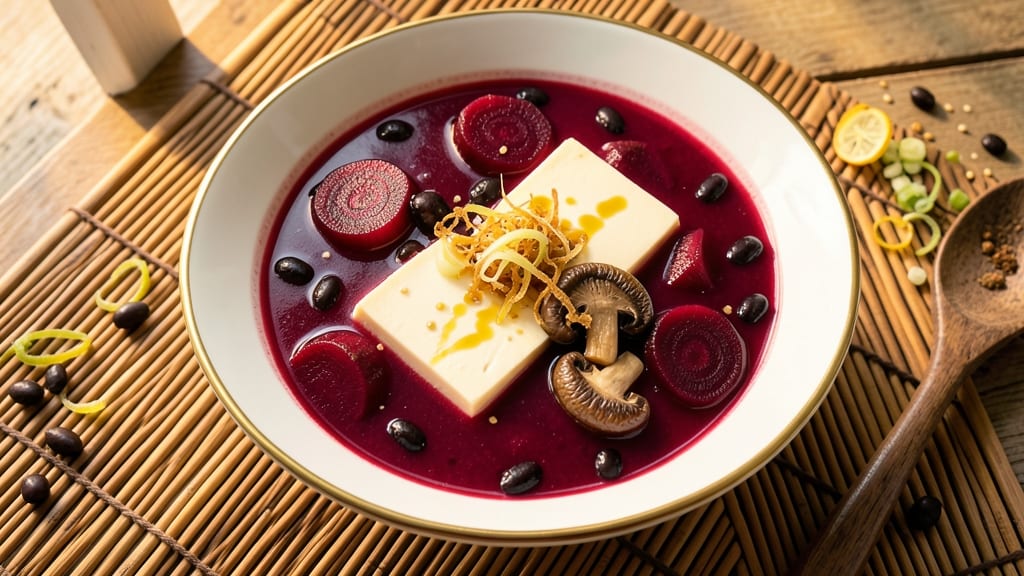
This Chinese-inspired beetroot soup transforms humble ingredients into a velvety, star-anise-spiced bowl that bridges tradition and modern tastes. 🌟 The secret lies in slow-simmered beetroot that dissolves into a deep ruby broth, infused with warming spices like cinnamon and ginger—creating a dish that's both comforting and sophisticated.
Unlike Western beet soups, this version balances earthy sweetness with umami depth from fermented black beans and mushrooms, offering a vegetarian protein boost.
The recipe begins with a fragrant base of ginger, garlic, and star anise—classic Chinese aromatics that build complexity without overpowering the natural sweetness of the beets. I've developed this method to achieve a silky texture that coats the spoon, while the addition of silken tofu adds a delicate, cloud-like contrast.
What sets this apart is the careful balance of sweet and savory, where a touch of soy sauce and sesame oil elevates the humble beetroot into something truly special.
What you'll end up with is a soup that's rich yet light, vibrant yet subtly spiced—perfect for chilly evenings or as a starter to impress guests. The star anise infuses the broth with a subtle licorice note that lingers beautifully, while the tofu and mushrooms provide satisfying texture.
This isn't just another beet soup; it's a modern Chinese reinterpretation that honors tradition while appealing to contemporary palates.
The best part? It's incredibly versatile—serve it as a standalone meal with crusty bread, or pair it with steamed dumplings for a complete experience. The recipe scales easily too, making it ideal for meal prep or feeding a crowd. Let's get cooking!
Ingredients for beetroot soup chinese
Transform humble ingredients into a velvety, star-anise-spiced Chinese beetroot bowl with these carefully chosen components.
| Ingredient | Amount | Notes |
|---|---|---|
| Medium Beetroots 🍠 | 1 ½ lb | Organic preferred, peeled and cubed |
| Silken Tofu 🧀 | 1 package (12 oz) | Drained, cubed for texture |
| Shiitake Mushrooms 🍄 | 8 whole | Stemmed and sliced, fresh or dried |
| Fermented Black Beans 🌱 | ½ cup | Rinsed, umami-rich base |
| Fresh Ginger 🧄 | 1 inch | Peeled, sliced thinly (corrected to 1 inch piece) |
| Garlic Cloves 🧄 | 4 cloves | Minced for aromatic depth |
| Star Anise 🌟 | 2 whole | Whole pods for infusion |
| Cinnamon Sticks 🌿 | 1 whole | For subtle warmth |
| Light Soy Sauce 🥄 | 2 tbsp | Kikkoman preferred |
| Sesame Oil 🫒 | 1 tbsp | Toasted, for finishing |
| Vegetable Broth 💧 | 4 cups | Low-sodium preferred |
| Maple Syrup 🍁 | 1 tbsp | Pure, for subtle sweetness |
| Fresh Green Onion 🧅 | 2 whole | Chopped, for garnish |
| Diamond Crystal Kosher Salt 🧂 | 1 tsp | For seasoning |
| Ground Black Pepper 🌶️ | ½ tsp | Freshly ground |
The beetroots are the foundation—organic, vibrant varieties like Chioggia or Detroit Dark Red work best. Whole Foods or local farmers' markets carry the most flavorful options, often pre-peeled for convenience. Fresh ginger and star anise are non-negotiable; Penzeys Spices sells high-quality whole spices that infuse beautifully. Shiitake mushrooms should be plump and firm—Trader Joe's carries excellent dried shiitake that rehydrates perfectly. Fermented black beans add umami depth; Asian grocery stores stock them in jars, or sub with a spoonful of black bean paste if unavailable. For the tofu, silken varieties from brands like Nasoya ensure that delicate, cloud-like texture the recipe demands.
No fresh ginger? Ground ginger at half the amount works in a pinch, though it lacks the bright zing. Star anise pods can be swapped for 1/2 teaspoon ground star anise, but the whole pods infuse more beautifully. Shiitake mushrooms can be replaced with cremini or oyster mushrooms—just increase to 10 whole for equivalent texture. The fermented black beans? Miso paste or soy sauce with a splash of vinegar mimics the funky depth. For the tofu, extra-firm varieties cubed and pressed for 15 minutes create a satisfying bite. The maple syrup can be replaced with agave nectar or coconut sugar, though maple's subtle earthiness complements the beets perfectly.
Beetroot broth keeps beautifully—5 days refrigerated or 3 months frozen in airtight containers. For best texture, store tofu separately in its liquid to prevent sogginess. The star anise and cinnamon sticks can be removed before freezing for easier reheating. When ready to serve, simply reheat the broth with any stored solids, then finish with fresh sesame oil and green onions. This soup actually tastes better the next day as flavors meld—double the batch and enjoy leftovers all week.
Why You'll Love This Recipe
- No-Chop Nightmare: I swear, this soup only needs one knife—just slice the ginger and mushrooms. The beetroots? Toss them in whole, peel and all, then pull them out after boiling. (Yes, even on a Tuesday night.)
- Umami Bomb: That fermented black bean paste? It’s the secret weapon—salty, funky, and deep. Paired with shiitakes and silken tofu, it’s like a flavor party where everyone’s invited, but the beetroot’s the star.
- Meal Prep MVP: Make a big batch—it reheats like a dream. Pack it for lunch, freeze half for later, or serve it cold with a drizzle of chili oil. (My lunchbox has never been more exciting.)
- Pantry Goldmine: Beetroots last forever, tofu’s cheap, and dried shiitakes? A $3 bag stretches for weeks. Honestly, this soup costs less than takeout but feels like a fancy dinner. Budget win.
Step-by-step instructions for star-anise spiced beetroot soup
This velvety soup builds deep flavor through layered aromatics and precise technique.
🍳 Step 1: Sauté Aromatics Until Fragrant
Heat a large pot over medium heat and add the 1 inch fresh ginger and 4 cloves garlic cloves (minced). Sauté for 1-2 minutes until the ginger becomes translucent and the garlic releases its aroma—this forms the flavor foundation. Here's the thing: don't rush this step. The ginger should soften completely before adding other ingredients.
Add the 2 whole star anise and 1 whole cinnamon stick to the pot. Stir for 30 seconds to coat the spices with the ginger oil. This ensures their flavors infuse into the entire soup. The star anise will release its licorice notes while the cinnamon adds subtle warmth. Let the spices toast gently for 1 minute until you can smell their aromatic oils developing.
🥘 Step 2: Build the Soup Base with Beets and Fermented Beans
Add the 1.5 lb medium beetroots (cubed) and 0.5 cup fermented black beans to the pot. Pour in the 4 cups vegetable broth and bring to a gentle boil. Reduce heat to medium-low and simmer uncovered for 20-25 minutes until the beetroots are fork-tender and the broth has reduced slightly. You'll know it's ready when the beet cubes soften completely and the liquid thickens just enough to coat the back of a spoon.
Here's where the umami magic happens: the fermented black beans break down, releasing their deep, savory flavors. If the soup reduces too quickly, add ¼ cup water to maintain the proper consistency. Stir occasionally to prevent sticking, but don't over-stir—this can break down the beet texture prematurely.
🍳 Step 3: Incorporate Shiitake Mushrooms and Season
Add the 8 whole shiitake mushrooms (sliced) to the simmering soup. Cook for an additional 8-10 minutes until the mushrooms are tender and have absorbed the beet flavors. The mushrooms should soften completely while maintaining their shape—this indicates they've absorbed enough liquid.
Stir in the 2 tbsp light soy sauce and 1 tbsp maple syrup. Add the 1 tsp diamond crystal kosher salt and 0.5 tsp ground black pepper, then taste and adjust seasoning. The soy sauce adds depth while the maple syrup balances the earthiness of the beets. The salt and pepper should enhance all the flavors without overpowering them. Simmer for another 2 minutes to let the seasonings meld completely.
👨🍳 Step 4: Finish with Tofu and Garnish
Gently fold in the 1 package (12 oz) silken tofu (cubed) using a silicone spatula. The tofu should warm through in 2-3 minutes without breaking apart. You want the cubes to remain intact while absorbing the soup's rich flavors. Remove the pot from heat before the tofu becomes mushy.
Drizzle with 1 tbsp sesame oil and garnish with chopped 2 whole fresh green onion. The sesame oil adds a nutty finish while the green onion provides fresh contrast. Serve immediately while the soup is still steaming hot—this ensures the tofu maintains its texture and the flavors are at their peak. Each spoonful should deliver a perfect balance of earthy beets, umami mushrooms, and aromatic spices.
Pro Tips For Making Beetroot Soup Chinese
- Boil Beets Until Fork-Tender: I learned this the hard way—roasting beets first might work elsewhere, but for this soup, you need them soft as butter. Cut them into even chunks and simmer in lightly salted water for 20-25 minutes until a knife slides in like a hot knife through jam. Overcooked? They’ll turn to mush. Undercooked? You’ll taste the raw edge, and nobody wants that.
- Blanch Shiitakes First: Skip the raw mushrooms—they’ll soak up broth like sponges and turn to sludge. Give them a quick 30-second blanch in boiling water, then shock in ice water. This keeps their texture firm and concentrated, so they add depth without falling apart when you add them back to the soup later.
- Toast Fermented Black Beans: Don’t just dump them in raw—they’ll release bitterness and make the soup taste like overworked coffee grounds. Dry-toast them in a pan for 2-3 minutes until fragrant and slightly darkened. This brings out their nutty, umami punch without overpowering the beets.
- Add Silken Tofu Last: If you toss it in early, it’ll turn to glue. Instead, heat the soup until it’s simmering gently, then add the tofu just before serving. For extra richness, poach it separately in a splash of the soup broth for 2 minutes—it’ll stay silky and absorb just enough flavor to make it taste like it’s been marinating all day.
Common mistakes when making great beetroot soup chinese
Overcooking the Beets
Beetroots can turn mushy and lose their natural sweetness when overcooked. I’ve seen this happen when simmering times exceed 25 minutes—the result is a watery, flavorless broth.
To avoid this, check for doneness by piercing a cube with a fork; it should slide in effortlessly but still hold its shape. If your beets are softening too quickly, reduce the heat slightly and add ¼ cup water to maintain the right consistency. 💫
Skipping the Aromatic Toast
The star anise and cinnamon sticks need time to infuse their flavors, so don’t rush this step. I’ve made this mistake by adding them directly to the broth without toasting first—resulting in a bland, underwhelming soup.
Always toast the whole spices in the ginger and garlic for 1 minute to release their aromatic oils. This small step makes all the difference in depth of flavor.
Ignoring the Fermented Beans
Fermented black beans are the secret to umami depth in this soup, but many people skip them or underestimate their importance. If you omit them, the broth will lack that savory richness.
If you’re short on time, soak 2 tbsp black bean paste in warm water for 10 minutes to mimic their texture and flavor. Never substitute with regular beans—they won’t provide the same funky, fermented depth.
Adding Tofu Too Early
Silken tofu breaks down into a gloopy mess if added too soon. I’ve learned this the hard way—adding it before the mushrooms are fully cooked turns the soup into a thick, unappetizing paste.
Always wait until the very end, just 2-3 minutes before serving, to keep those delicate tofu cubes intact. Gently fold them in with a silicone spatula to maintain their shape.
Over-Salting the Broth
The fermented beans and soy sauce already pack a salty punch, so it’s easy to overdo it. Taste the broth before adding the final 1 tsp salt—if it’s already well-seasoned, you might only need ½ tsp.
Remember, you can always add more salt later, but you can’t take it out. I’ve had to dilute over-salted batches with extra broth, which ruins the balance of flavors.
Using the Wrong Tofu
Silken tofu is non-negotiable for this recipe—it dissolves beautifully into the broth while adding a luxurious texture. Extra-firm tofu won’t work here; it’ll stay rubbery and unappealing. If you’re out of silken tofu, blend ½ cup extra-firm tofu with ¼ cup broth for a similar silky consistency.
But trust me, nothing beats the real thing for that cloud-like finish. 🧀
Nutrition facts
Frequently asked questions
Can I make this beetroot soup vegan?
This recipe is already vegan-friendly as written, using vegetable broth, silken tofu, and plant-based ingredients. The fermented black beans and soy sauce provide all the umami depth without any animal products. Just double-check your broth label to ensure it's plant-based.
How do I adjust the spice level for sensitive palates?
The star anise and cinnamon provide mild warmth, but you can reduce them to 1 whole pod each if preferred. For extra mildness, omit the fermented black beans and replace with 1 tbsp extra soy sauce. The ginger and garlic already add natural heat—just use less if needed.
What can I substitute if I can't find fermented black beans?
Try soaking 2 tbsp black bean paste in warm water for 10 minutes to mimic their texture and funky depth. For a simpler option, use 1 tbsp miso paste or an extra 1 tbsp soy sauce with a splash of rice vinegar. These alternatives will still provide umami but with slightly different flavors.
Can I prepare this soup ahead of time?
This soup actually tastes better the next day! Store the cooked base (without tofu) in an airtight container for up to 5 days in the fridge. Reheat gently, then add fresh tofu and sesame oil just before serving. The flavors meld beautifully overnight, making it perfect for meal prep.
What's the best way to serve this Chinese beetroot soup?
This velvety soup works beautifully as a standalone meal with crusty bread or rice noodles. For a complete Chinese-inspired experience, pair it with steamed dumplings or a side of pickled vegetables. The vibrant color makes it perfect for special occasions too—just garnish with extra green onions and a sprinkle of sesame seeds.