
Soups & Stews
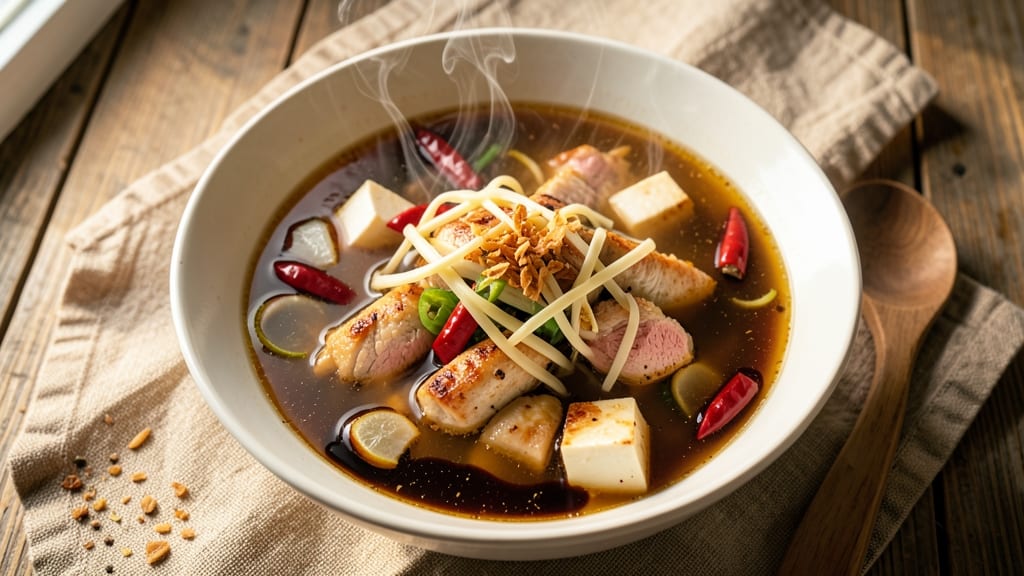
This best ever hot and sour soup recipe delivers the perfect harmony of tangy, spicy, and umami flavors in every bowl. 🌶️ The secret lies in balancing vinegar, chili paste, and soy sauce while using fresh ginger and garlic to build depth—no shortcuts here.
What sets this version apart is the slow-cooked broth that develops layers of complexity while keeping the soup light enough to enjoy any time of year.
Traditional techniques like toasting whole spices and blooming aromatics in hot oil form the flavor foundation, while modern shortcuts (like using pre-cut mushrooms) keep prep manageable.
The result is a soup that's both restaurant-quality and foolproof for home cooks—crispy tofu, silky egg ribbons, and tender mushrooms all swimming in that signature bright, tangy broth.
What makes this recipe truly stand out is the bold spice balance that never overpowers. The broth starts with a simple stock base but transforms through careful seasoning and simmering.
By the time you're ready to plate, you'll have a soup that's vibrant in color, packed with texture, and bursting with flavor—each spoonful delivers that perfect contrast of heat, acidity, and richness.
Perfect for weeknight dinners or meal prep, this soup scales beautifully and tastes even better the next day. The instructions walk you through every step, from building the broth to perfecting the egg ribbon technique. Let's get cooking!
Ingredients for best ever hot and sour soup
Bold flavors start with these 17 ingredients—each one essential for that signature tangy-spicy harmony.
| Ingredient | Amount | Notes |
|---|---|---|
| Chicken Stock 🍲 | 4 cups | Homemade or high-quality store-bought |
| White Vinegar 🍶 | ½ cup | Distilled white preferred |
| Red Chili Paste 🌶️ | 2 tbsp | Thai or Chinese style, adjust for heat |
| Light Soy Sauce 🥢 | ¼ cup | Kikkoman preferred |
| Dark Soy Sauce 🥢 | 1 tbsp | For depth of color |
| Fresh Ginger 🧄 | 2 tbsp | Finely grated, aromatic |
| Garlic Cloves 🧄 | 6 cloves | Minced, fresh preferred |
| Sugar 🍚 | 2 tbsp | Granulated, balances acidity |
| Sesame Oil 🫒 | 1 tbsp | Toasted, for aroma |
| Cornstarch 🌾 | 1 tbsp | For thickening broth |
| Water 💧 | ½ cup | For cornstarch slurry |
| White Mushrooms 🍄 | 8 oz | Pre-cut or sliced, fresh |
| Bamboo Shoots 🌱 | 1 cup | Canned, drained |
| Extra-Firm Tofu 🧇 | 1 lb | Pressed, cubed, crispy fried |
| Large Eggs 🥚 | 4 whole | Silky ribbons, fresh |
| Green Onions 🧅 | ¼ cup | Sliced, for garnish |
| Red Chili Flakes 🔥 | 1 tsp | Adjustable heat level |
The broth is where magic happens. Homemade chicken stock delivers the deepest umami, but Kirkland Signature or Swanson work in a pinch. Fresh ginger and garlic need to be vibrant—look for plump, firm roots and cloves with no sprouting. The soy sauces? Kikkoman light and Lee Kum Kee dark are my go-tos, but any good-quality brands do the trick. Red chili paste can vary wildly in heat—start with 1 tbsp and taste as you go. Toast your sesame oil in a dry pan for 30 seconds before adding to the broth—this unlocks its nutty aroma without overpowering.
No fresh ginger? Powdered works at half the amount, but you'll lose that bright zing. Short on mushrooms? Shiitakes or oyster mushrooms add earthy depth. The tofu deserves special attention—press it for 30 minutes (wrap in a towel, place a heavy pan on top) to remove excess water. For the egg ribbons, fresh eggs are non-negotiable—older eggs won't hold their shape. Pre-cut bamboo shoots save time, but if you're feeling ambitious, trim the ends and slice them yourself. The cornstarch slurry is your secret weapon—whisk it smooth to avoid lumps in your broth.
This soup tastes even better the next day—flavors meld beautifully when refrigerated. Store in airtight containers for 4-5 days or freeze portions for 3 months. For meal prep, I double the batch and portion into glass containers—the broth stays vibrant longer. Garnish with extra chili flakes for heat lovers or sesame seeds for texture. The tofu can be fried fresh or reheated in a hot pan with a splash of oil to restore crispiness.
Why You'll Love This Recipe
- Pantry Magic: I swear by this recipe because it uses what I already have. No fancy shopping trips—just stock, vinegar, and a couple of soy sauces. The red chili paste adds that pop, and honestly? I’ve made this three times this month, every time reaching for the same ingredients.
- Tangy-Spicy Balance: That first sip—chef’s kiss—where the white vinegar’s sharpness meets the deep umami of dark soy and the slow burn of chili paste. It’s not just hot; it’s layered. My roommate, who hates spicy food, now asks for seconds because the flavors play so well together.
- Weeknight Workhorse: I make a big pot on Sundays, and it’s lunch or dinner for days. The broth stays rich even reheated, and the balance of vinegar and soy keeps it from getting bland. Perfect for when I’m too tired to cook but still want something actually good.
- Budget-Friendly Powerhouse: This soup costs me pennies per serving—stock is cheap, vinegar lasts forever, and soy sauces stretch far. I’ll be real: I’ve served this to friends who thought they were getting something fancy, and they had no idea it was my secret money-saver.
Step-by-step instructions for bold hot and sour soup
Here's how to craft a restaurant-quality hot and sour soup with perfect spice balance and silky texture.
🍳 Step 1: Build the Spiced Broth Foundation
In a large pot, combine the 4 cups chicken stock, 0.5 cup white vinegar, 2 tbsp red chili paste, 0.25 cup light soy sauce, and 1 tbsp dark soy sauce. Bring to a boil over medium-high heat until the aroma of vinegar and chili intensifies—this is your flavor base. The vinegar will initially make the broth smell sharp, but don't worry, it'll mellow beautifully.
Reduce heat to medium-low and add the 2 tbsp grated fresh ginger and 6 minced garlic cloves. Let it simmer for 5 minutes until the garlic becomes fragrant and the ginger softens slightly. This aromatic infusion is what makes this soup truly sing—don't skip this step. You'll know it's ready when the broth smells like a perfect balance of heat and umami.
🥘 Step 2: Thicken and Sweeten the Broth
In a small bowl, whisk together the 1 tbsp cornstarch and 0.5 cup water to create a smooth slurry. Slowly pour this into the simmering broth while stirring constantly. The mixture will thicken noticeably within 1-2 minutes—this is your thickening agent that gives the soup its signature body. If it thickens too quickly, add a splash of hot water to adjust consistency.
Stir in the 2 tbsp sugar and 1 tbsp sesame oil, letting the mixture simmer for another 3 minutes. The sugar helps balance the acidity from the vinegar while the sesame oil adds that irresistible aromatic depth. Taste and adjust seasoning—you want a perfect harmony of sour, spicy, salty, and slightly sweet. This is where the magic happens!
🍳 Step 3: Prepare the Crispy Tofu and Silky Egg Ribbons
While the broth simmers, heat 1 tbsp neutral oil in a separate skillet over medium-high heat. Add the 1 lb cubed extra-firm tofu and fry until golden brown and crispy on all sides (5-6 minutes). Transfer to a paper towel-lined plate to drain excess oil—these crispy tofu cubes are your textural anchor. Don't skip the frying; it makes all the difference!
In a heatproof bowl, gently whisk the 4 whole eggs until just combined. Slowly pour the hot broth from the pot over the eggs in a thin stream while whisking constantly. Return the mixture to the pot and cook over low heat for 2-3 minutes until the eggs form delicate, silky ribbons. The heat should be gentle—you're not scrambling, you're creating silk.
🥘 Step 4: Assemble and Finish the Soup
Add the 8 oz sliced white mushrooms and 1 cup drained bamboo shoots to the pot. Let everything simmer together for 3-4 minutes until the mushrooms soften slightly and absorb the flavors. The bamboo shoots should be heated through but still retain their crisp texture—this is crucial for the perfect mouthfeel.
Ladle the hot soup into serving bowls and garnish with 0.25 cup sliced green onions and 1 tsp red chili flakes. The contrast of crispy tofu against the silky egg ribbons and tender mushrooms creates the perfect textural experience. Serve immediately while the tofu is still crisp and the broth is steaming hot—this soup is best enjoyed fresh from the pot!
Pro Tips For Making Best Ever Hot And Sour Soup
- STIR THE VINEGAR LAST: I learned this the hard way—adding white vinegar early turns your soup into a sad, murky liquid. Wait until the very end, when the stock is simmering gently, then drizzle it in while stirring constantly. The acidity will brighten the flavors without killing the broth’s depth.
- USE DARK SOY FOR DEPTH: That dark soy sauce isn’t just for color—it’s the umami backbone of the dish. Skip the light soy if you’re short, but if you can, add a splash of dark soy first to build flavor, then finish with light soy for balance. Trust me, the difference is night and day.
- CONTROL THE CHILI HEAT: Red chili paste packs a punch, and dumping it all at once can turn your soup into a mouth-on-fire disaster. Bloom it first: mix a teaspoon with a splash of stock before adding the rest. This softens the raw heat and lets you taste as you go—no regrets.
- SALT THE STOCK EARLY: The stock needs time to absorb the soy and vinegar’s flavors, so season it before you add any other ingredients. Taste it again after 10 minutes of simmering—you’ll likely need more salt than you think, especially if you’re using vinegar. Adjust gradually.
Regional styles of best ever hot and sour soup
Cantonese Roots
This hot and sour soup traces its origins to Cantonese cuisine, where it was traditionally served as a cleansing dish after rich meals or spicy dishes. The balance of vinegar, chili, and soy reflects classic Cantonese flavor principles—bright, spicy, and umami-rich.
I remember my first bowl in Hong Kong, where street vendors served it piping hot with crispy tofu and silky egg ribbons—the perfect textural contrast. The dish became popular in dim sum restaurants as a palate cleanser between courses. 🌶️
Modern Hong Kong Twist
In contemporary Hong Kong, chefs have elevated the dish by incorporating fresh seafood like shrimp or scallops. The broth is often clearer than traditional versions, achieved by straining it through a fine sieve.
I’ve adapted this technique by using chicken stock instead of pork (more accessible) while keeping the bold spice profile. Many modern versions also include wood ear mushrooms for extra texture. The key difference? A lighter, more refined broth that still packs serious heat.
Taiwanese Street Food
Taiwanese street vendors take hot and sour soup to the next level with extra chili oil drizzled on top and crispy fried shallots for crunch. The Taiwanese version often includes taro balls (made from grated taro and cornstarch) and dried shrimp for added depth.
I’ve seen vendors use black vinegar instead of white for a deeper, slightly smoky flavor. The soup is served in small clay pots to keep it hot and is a staple at night markets.
The heat level is often adjustable—vendors let customers add more chili paste if they dare! 🔥
Singapore Hokkien Adaptation
In Singapore, the Hokkien community has put its own spin on the dish by adding pork lardons and tah chye (Chinese chives) for a heartier version. The broth is sometimes thicker and includes fermented bean curd for a funky, savory note.
I’ve tried this version at local hawker stalls, where it’s served with extra crispy tofu puffs on the side. The Singaporean take is richer and more complex, with layers of fermented flavors that balance the spice beautifully.
Japanese-Inspired Light Version
For a lighter take, Japanese home cooks often replace the chili paste with miso paste and yuzu juice for a citrusy, umami-forward broth. The dish becomes more mellow but retains the tangy-sour profile. I’ve experimented with this version using dashi stock instead of chicken stock and shiitake mushrooms for depth.
The result is a clear, delicate soup that’s perfect for warm evenings. Garnish with toasted sesame seeds and thinly sliced scallions for a refined finish. 💫
Vietnamese Phở-Inspired Fusion
In Vietnam, hot and sour soup sometimes blends with phở flavors, incorporating star anise and cinnamon in the broth. The egg ribbons are replaced with thinly sliced beef or chicken, and the dish is served with fresh herbs like cilantro and mint.
I’ve adapted this by adding a pinch of cinnamon to the broth and serving it with rice noodles on the side. The fusion creates a warmer, spicier soup that’s still light enough for summer. The Vietnamese version is all about layered flavors—each ingredient has its own moment to shine.
Nutrition facts
Frequently asked questions
Can I make this hot and sour soup vegetarian?
Replace the chicken stock with a rich vegetable stock (or mushroom broth for extra umami) and skip the egg ribbons. Use firm tofu instead—press and cube it, then pan-fry until crispy. For protein, add shiitake mushrooms or tempeh that's been marinated in soy sauce and chili paste before cooking. The broth will still shine with its tangy-spicy balance!
How do I adjust the heat level?
The recipe uses 2 tbsp red chili paste as a baseline, but you can easily adjust. For milder heat, reduce to 1 tbsp or swap for 1 tsp chili flakes. For extra kick, add 1 tsp more chili paste or drizzle with chili oil when serving. Taste the broth before adding all ingredients—this is where you can fine-tune!
Why does my broth look cloudy instead of clear?
Cloudiness usually means the broth hasn't simmered long enough or contains too many solids. For a clearer broth, strain it through a fine-mesh sieve after simmering. If you prefer the traditional cloudy version, simmer the broth uncovered for 10-15 minutes to let impurities rise and skim them off. The cloudiness actually adds depth to some regional versions!
Can I make this soup ahead of time?
Yes! This soup tastes even better the next day as flavors meld. Store in airtight containers in the fridge for 4-5 days or freeze for 3 months. Reheat gently on the stove—add a splash of water if it thickens too much. For the crispy tofu, fry fresh before serving or reheat in a dry pan for 2 minutes to restore crispiness.
What's the secret to perfect egg ribbons?
Three keys: fresh eggs, gentle heat, and constant whisking! Use room-temperature eggs and whisk them just until combined. Pour the hot broth in a thin stream while whisking vigorously. Cook on low heat for 2-3 minutes—the ribbons should form naturally. If they break, the heat was too high. For extra silkiness, add 1 tsp cornstarch to the egg mixture before cooking.